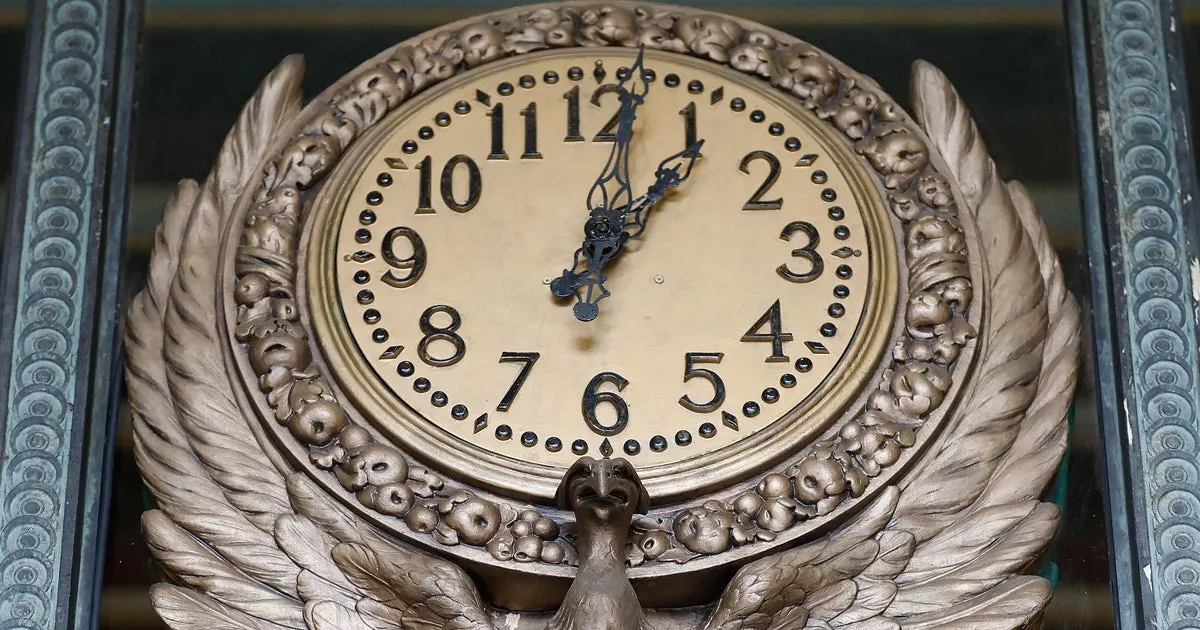
Daylight Saving Time Begins
“Daylight saving time is meant to provide extra sunlight during the spring, summer and fall seasons,” a spokesperson noted as the clocks moved forward on March 8, 2026, at 2 a.m. local time. This change marks the start of a period when most of the United States adjusts their clocks, with the exception of Hawaii and most of Arizona.
As a result of this shift, many Americans lost an hour of sleep, a common consequence of the biannual clock change. The annual transition to daylight saving time has been in place since 1918, initially adopted during World War I to conserve fuel.
Since 2007, the start date for daylight saving time has consistently fallen on the second Sunday of March. In 2026, daylight saving time will remain in effect for 238 days, concluding on November 1, 2026. This lengthy period is designed to maximize daylight during the warmer months.
Despite its intended benefits, the practice of changing clocks twice a year has faced significant backlash. A recent YouGov poll revealed that two-thirds of Americans favor the permanent elimination of daylight saving time, indicating widespread discontent with the disruption it causes.
In Boston, for instance, the sunrise will shift from 6:09 a.m. before the time change to 7:08 a.m. afterward, while sunset will transition from 5:41 p.m. to 6:42 p.m. These changes illustrate how daylight saving time affects daily routines and activities.
Interestingly, many Americans mistakenly believe that farmers are the primary advocates for daylight saving time. However, this notion is largely a misconception, as the agricultural community has often expressed opposition to the clock changes.
Looking Ahead
As the country adjusts to the new time, many will be left wondering, “what time is it now?” The next significant clock change will occur in November when most Americans will ‘fall back’ to standard time at 2 a.m. local time on the first Sunday of the month.
Details remain unconfirmed regarding any potential changes to the daylight saving time policy in the future, but the ongoing debate continues to shape public opinion and legislative discussions across the nation.