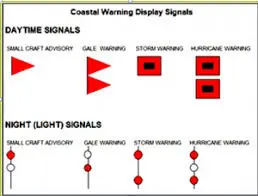
Introduction to Gale Warnings
Gale warnings play a crucial role in ensuring the safety of marine activities and coastal communities, signaling potentially dangerous weather conditions. Issued by meteorological agencies, these warnings alert sailors, fishermen, and coastal residents to the presence of strong winds that can lead to hazardous sea conditions. As climate change contributes to more extreme weather patterns, understanding gale warnings is more important than ever.
What is a Gale Warning?
A gale warning is issued when sustained winds of 34 to 40 knots (39 to 46 miles per hour) are expected to occur. These winds can create dangerous conditions at sea, including high waves and rough waters. The National Weather Service (NWS) in the United States is responsible for issuing these warnings, particularly for maritime zones. The warnings are often accompanied by advice on what actions to take to stay safe.
Recent Events and Impact
As of October 2023, gale warnings have been issued along various U.S. coasts due to a series of low-pressure systems moving across the Atlantic and Pacific Oceans. For instance, in early October, the NWS issued multiple gale warnings as hurricane remnants brought strong winds and rain to the northeastern United States. These warnings not only affect boaters but also alert local authorities to potential flooding and hazardous conditions onshore.
Local fishing industries have reported increased caution and preparation during gale warnings, with many choosing to delay outings or seek safer waters. Coastal residents are also reminded to secure property and stay updated with local weather broadcasts.
Conclusion: The Significance of Gale Warnings
Staying informed about gale warnings is essential for ensuring personal safety and preparedness in the face of severe weather. As marine activities increase, especially during fishing seasons, the importance of these warnings cannot be overstated. Future forecasts suggest that as climate conditions continue to change, the frequency of gale warnings may increase. This highlights the need for continuous education on reading weather alerts and understanding their implications. As a part of community resilience, everyone—whether on the water or along the coast—should be vigilant and prepared when these warnings are issued.