Introduction to Havana Syndrome
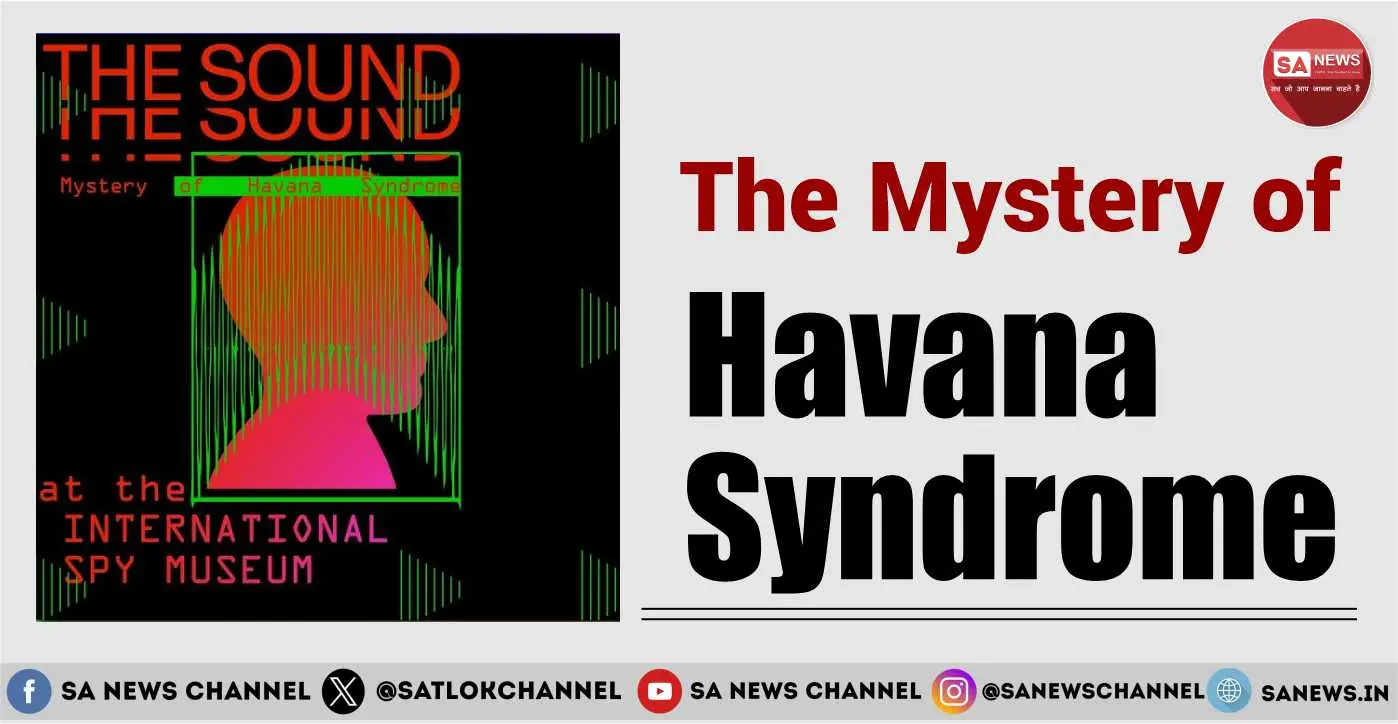
Havana Syndrome has gained significant attention over the past few years, primarily affecting U.S. diplomats and government officials stationed in Cuba and other countries. The syndrome is characterized by unusual auditory and physical symptoms, leading to concerns about the safety of personnel abroad. Understanding Havana Syndrome is crucial as it raises questions about the health and well-being of those representing the United States in foreign territories.
The Emergence of Havana Syndrome
The first notable cases of Havana Syndrome were reported in late 2016 by U.S. and Canadian diplomats and their families in Havana, Cuba. Victims reported symptoms such as sudden loud noises, headaches, dizziness, and cognitive difficulties. Since then, numerous reports have emerged from countries including China, Russia, and even in Washington, D.C. As of 2023, the U.S. government has confirmed over 200 cases, which sparked widespread speculation about the possible causes, including sonic attacks, chemical exposure, or psychological factors.
Investigations and Responses
The U.S. government has launched extensive investigations into these incidents, involving multiple agencies, including the FBI and CIA. Official reports have varied; some suggest that a sprawling variety of potential causes were examined, while others maintain that the evidence remains inconclusive. In July 2021, a report by the National Academy of Sciences concluded that directed microwave energy may be a possible cause of the symptoms. However, no definitive cause has been established.
Current Understanding and Future Implications
The implications of Havana Syndrome extend beyond individual health concerns; they raise national security considerations. Diplomatic personnel are critical to international relations, and their safety is a priority for the government. Although most cases have not resulted in severe long-term medical consequences, the psychological impact on affected individuals and their families cannot be overlooked. The mystery surrounding Havana Syndrome may require ongoing research and vigilance as more data emerges.
Conclusion
As the investigation into Havana Syndrome continues, it is essential for the U.S. government and public health agencies to prioritize the health and safety of diplomats. Understanding this phenomenon is vital, not only for existing cases but also for potential future occurrences. Continuous research, support for affected individuals, and increased transparency will be vital in addressing this complex and concerning issue.