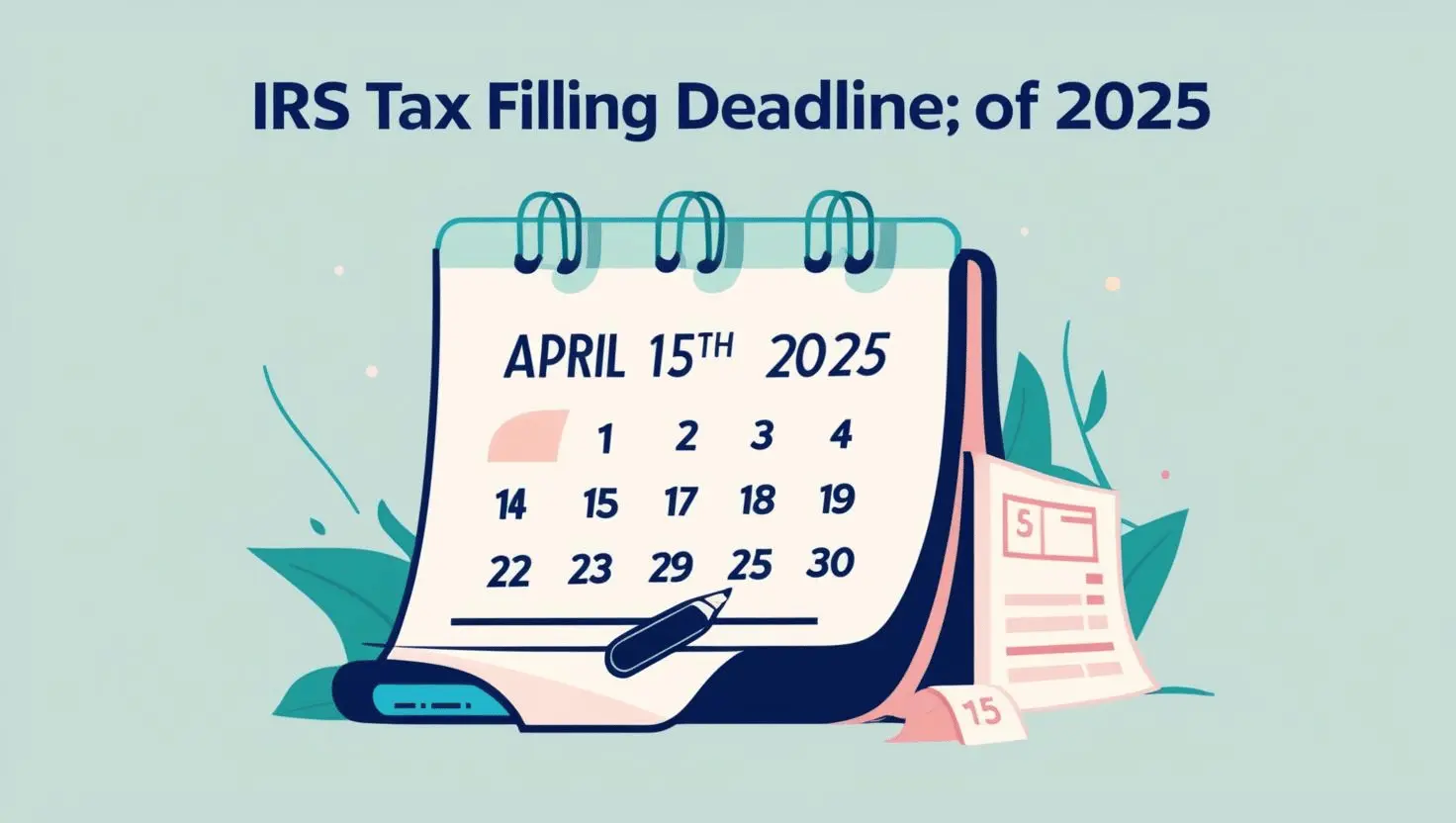
The Importance of the Tax Filing Deadline
As tax season approaches, the tax filing deadline is a critical date that all taxpayers must keep in mind. For the year 2023, the deadline is set for April 18. Missing this date can lead to penalties, interest, and an increase in financial stress for both individuals and businesses. Understanding this deadline’s implications is essential for compliance and financial planning.
Key Details About the 2023 Tax Filing Deadline
The IRS has officially announced that taxpayers must submit their federal tax returns by April 18, 2023. This date represents the final deadline for filing individual income tax returns unless an extension has been formally requested. Unlike previous years, which had observed a deadline on April 15, the shift in date is attributed to Washington D.C.’s observance of Emancipation Day. This year, April 15 falls on a Saturday, and the observance pushes the deadline to the next business day.
Consequences of Missing the Deadline
It is crucial to adhere to this deadline as failing to file your taxes on time can result in significant penalties. The IRS typically imposes a failure-to-file penalty of 5% per month on any unpaid taxes, which can quickly add up. Additionally, if you owe taxes and do not pay by the deadline, you could incur further interest charges that increase your overall tax liability.
Filing for an Extension
If taxpayers are unable to meet the April 18 deadline, they can request an extension through IRS Form 4868. This extension allows individuals an additional six months to file their returns, pushing the deadline to October 16, 2023. However, it is vital to note that while an extension gives extra time for filing, it does not extend the time for paying any taxes owed. Taxpayers should estimate their liabilities and pay any due amounts to avoid penalties.
Conclusion and Final Remarks
In conclusion, the 2023 tax filing deadline is an essential date for taxpayers to remember. April 18 marks the last day to file individual tax returns without incurring penalties. Taxpayers who anticipate difficulties in meeting this deadline are encouraged to prepare in advance and consider filing for an extension if necessary. Staying informed and proactive can lead to better financial outcomes and a smoother tax season.