Introduction
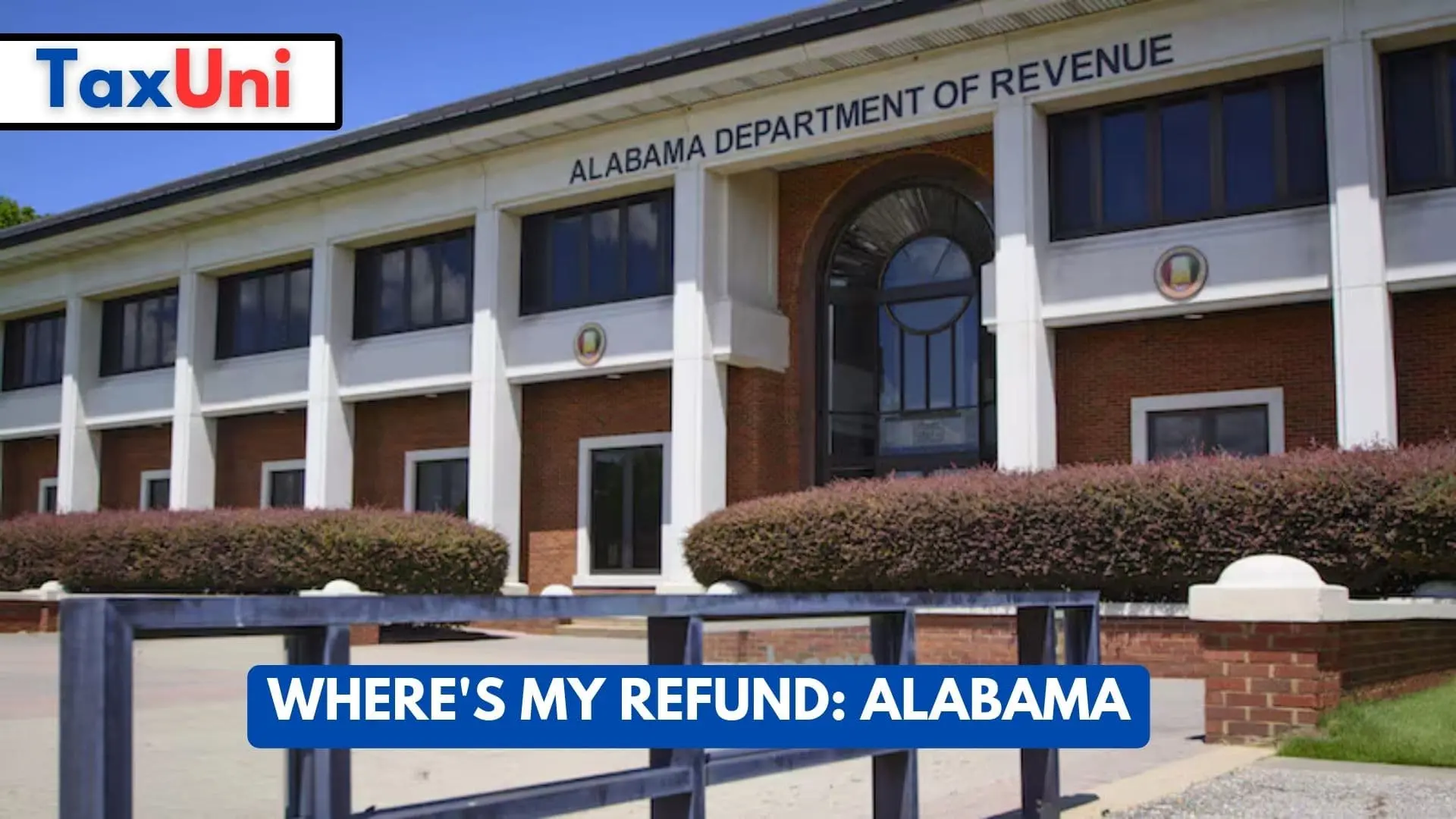
Tax season can be a stressful time for many Americans, and one of the most common questions people have is, ‘Where’s my refund?’ With millions of taxpayers eagerly waiting for their refunds each year, understanding the process and how to check the status is essential. This article will provide insights into where to find your refund status and what to expect during the process.
Understanding the Refund Process
When you file your tax return, the IRS processes it and, if applicable, issues a refund based on your financial situation. The timeline for receiving a refund can vary based on several factors, including how you filed your taxes (electronically or by mail) and whether you chose direct deposit or a paper check for your refund. According to the IRS, most refunds issued in the United States are processed within 21 days of the return being accepted.
How to Check Your Refund Status
The IRS has developed a user-friendly tool called ‘Where’s My Refund?’ that allows taxpayers to check the status of their refund. To access this tool, simply visit the IRS website and enter your Social Security number, filing status, and the exact refund amount. The tool will provide updates on the status of your refund:
- Return Received: Your return has been submitted and is being processed.
- Refund Approved: Your refund has been approved, and payment will be issued soon.
- Refund Sent: Your refund has been issued, and you should receive it shortly.
Common Delays and Issues
While many refunds are processed on time, there are a few reasons why you might experience a delay. These can include:
- Errors on your tax return.
- Incomplete information provided.
- Possible audits triggered by discrepancies.
- Returns filed on amended forms.
Additionally, the IRS has experienced processing delays in recent years due to the COVID-19 pandemic and increased workloads. For this reason, it’s wise to check your status frequently and review the IRS’s guidelines regarding potential delays.
Conclusion
Waiting for your tax refund doesn’t have to be a mystery. By utilizing the IRS ‘Where’s My Refund?’ tool and understanding the factors that contribute to the processing timeline, you’ll be better equipped to track your refund. Stay informed and consider reaching out to a tax professional if you encounter any issues or have questions about your specific situation. Keeping these practices in mind ensures you can anticipate your refund efficiently, helping you budget for the year ahead.