The wider picture
The White House Correspondents’ Association has a history of sponsoring scholarships for journalism students at various universities. In a recent development, the association announced the creation of a scholarship in honor of Mark Knoller, a prominent figure in the White House press corps. This scholarship aims to support aspiring journalists at New York University’s Arthur L. Carter Journalism Institute.
The scholarship will be awarded annually and includes a grant of $5,000, along with mentorship opportunities from veterans of the White House press corps. Weijia Jiang, a journalist who has worked closely with Knoller, remarked, “Mark Knoller was, by any measure, a legend of the White House press corps — a walking encyclopedia of presidential history and an invaluable resource to every colleague lucky enough to work alongside him.” This recognition underscores Knoller’s significant contributions to political journalism.
In addition to the scholarship announcement, the White House has been active in other areas, including the release of its National Policy Framework for Artificial Intelligence on March 20, 2026. This framework provides Congress with a roadmap for potential federal AI legislation, reflecting the administration’s commitment to addressing emerging technologies and their implications for society.
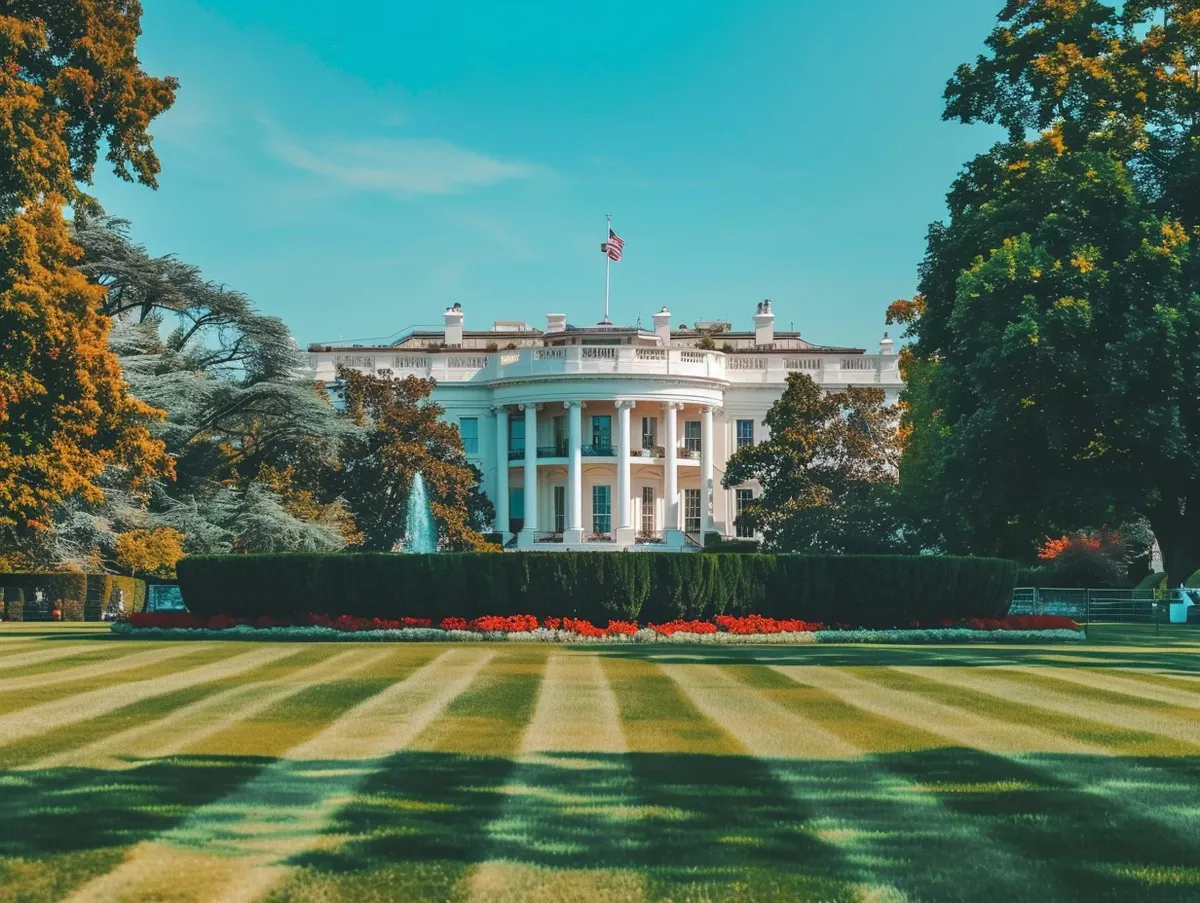
On the White House grounds, a marble statue of Christopher Columbus has been installed, which is a replica of a monument that was dismantled in Baltimore in 2020. The installation of the Columbus statue is part of a broader effort by the Trump administration to reposition Columbus as a symbol of national pride. Davis Ingle, a spokesperson for the White House, stated, “As we celebrate our nation’s 250th anniversary of independence, the White House is proud to honour Christopher Columbus’s legendary life and legacy with a well-deserved statue on the White House grounds.” This move has sparked discussions about historical representation and the legacy of Columbus in American history.
As these developments unfold, observers are closely watching the implications of the scholarship and the statue installation. The scholarship aims to foster a new generation of journalists who can contribute to the field with the same dedication as Knoller. Meanwhile, the Columbus statue’s installation reflects ongoing debates about historical figures and their place in contemporary society.
Overall, the White House is actively engaging in initiatives that honor journalistic integrity while also navigating the complexities of historical narratives. The combination of honoring a legendary journalist and addressing the legacy of a controversial figure like Columbus illustrates the multifaceted nature of the current political landscape.
Details remain unconfirmed regarding the broader public response to the Columbus statue and its implications for ongoing discussions about historical representation. However, the establishment of the scholarship is a clear indication of the White House’s commitment to supporting journalism and recognizing the contributions of those who have shaped the field.