Introduction
As winter progresses in Connecticut, snowfall totals are becoming a significant topic of discussion among residents and meteorologists alike. Understanding the snowfall patterns is crucial for various reasons, including public safety, transportation, and economic impacts. This winter, Connecticut has experienced notable snow events that have affected travel and daily life.
Recent Snowfall Events
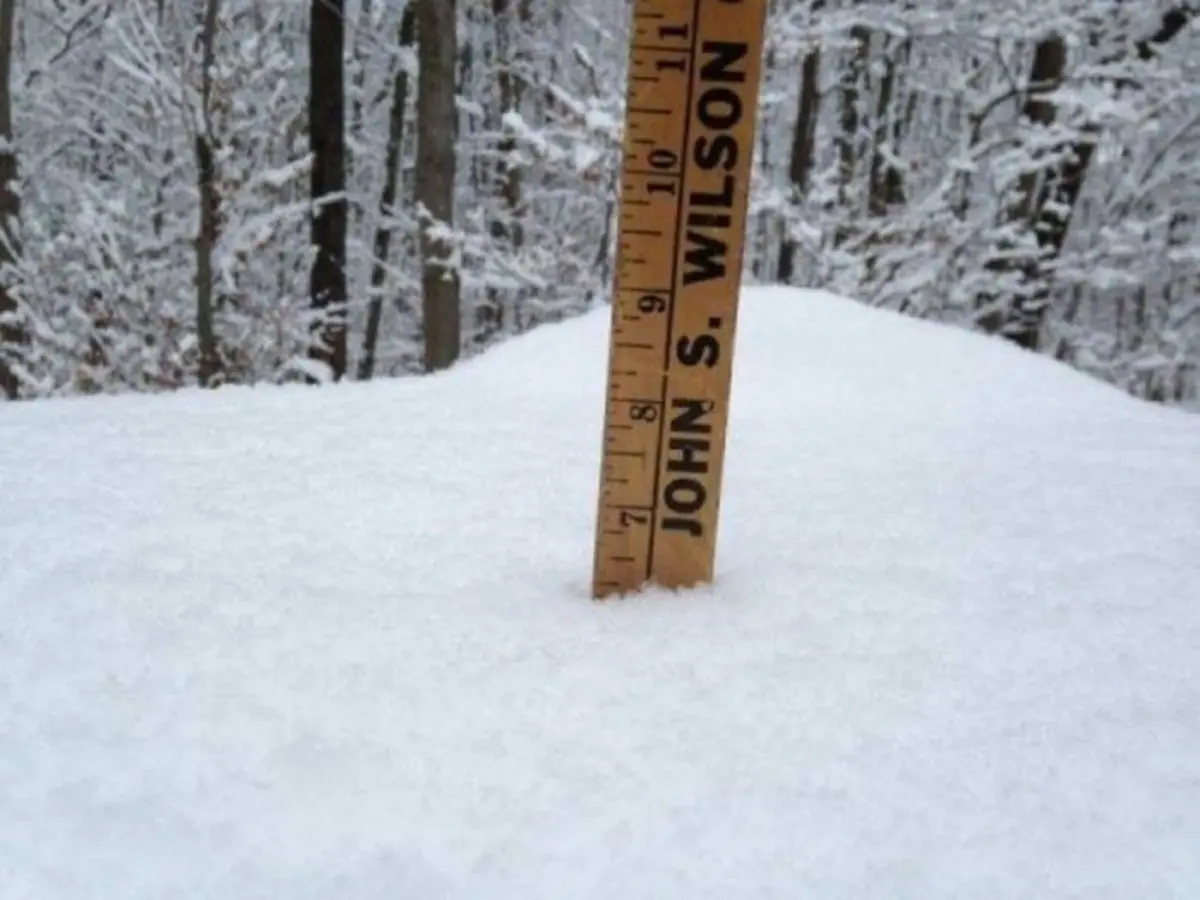
In January 2023, a significant snowstorm swept across the state, contributing to the highest snow totals seen in recent years. Areas in northern Connecticut reported up to 15 inches of snow, while regions closer to the coast received about 5 to 10 inches. This discrepancy illustrates how geography plays a vital role in snowfall distribution within the state.
According to the National Weather Service, as of the end of January, the average statewide snowfall tally reached approximately 30 inches, surpassing the typical winter averages. In Hartford, the total was recorded at 29 inches, while New Haven received around 20 inches, highlighting how coastal areas generally see less snow compared to their more inland counterparts.
Impact of Snow Totals on Daily Life
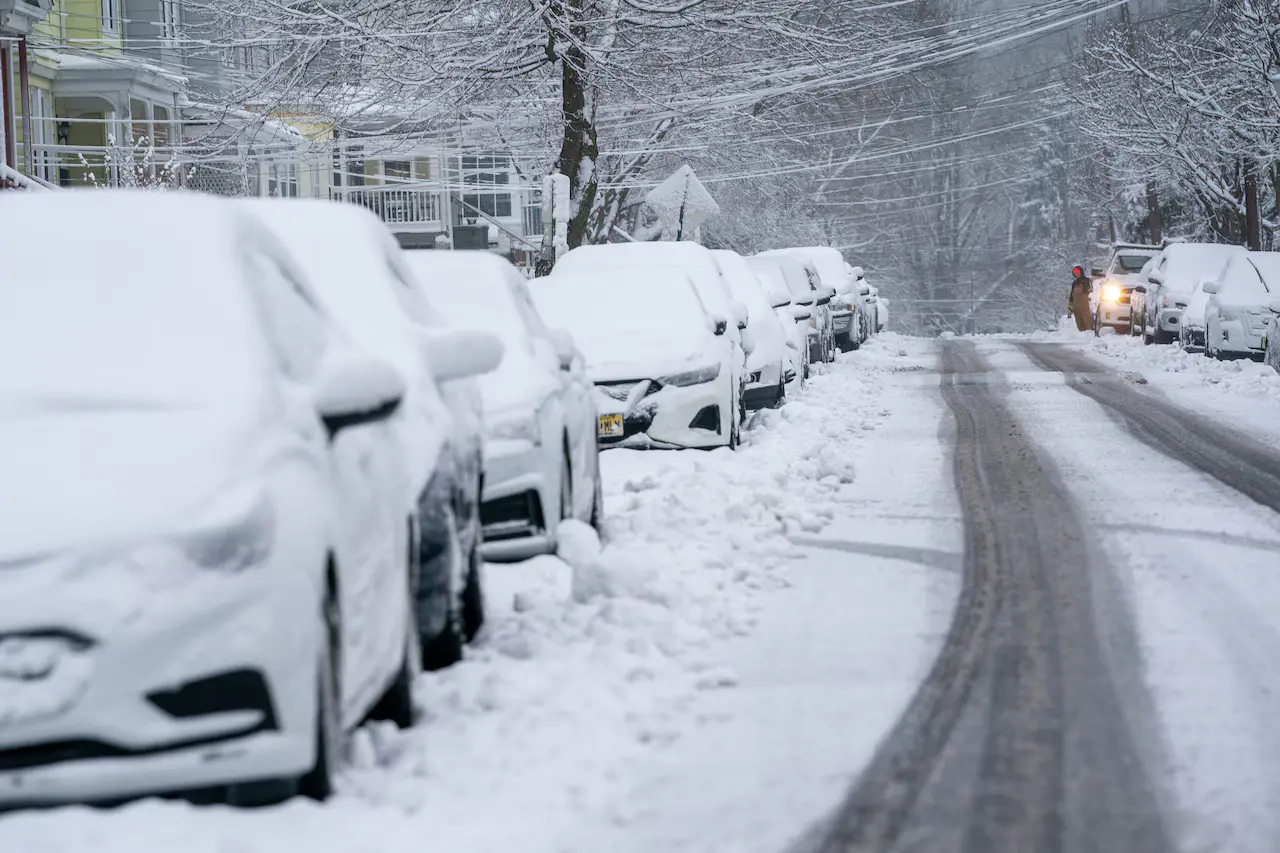
The substantial snowfall has led to various impacts on public safety and transportation. Many towns in Connecticut declared snow emergencies, prompting residents to move their vehicles to allow for better snow removal operations. Furthermore, school closures due to inclement weather affected thousands of students, contributing to a broader discussion on educational curriculum adjustments. Businesses also faced challenges as some were forced to close temporarily due to hazardous travel conditions.
Looking Ahead: Forecasts and Significance
As we move into February, meteorologists are predicting a mix of weather patterns, including rain and additional snowfall. Experts suggest that weather forecasting models indicate the possibility of further snow events, which could lead to cumulative totals well above the seasonal average. Local officials are advising residents to stay updated on weather forecasts and to prepare for potential disruptions.
Understanding CT snow totals is vital not only for immediate planning but also for analyzing broader climate trends. As winters warm, snowfall patterns could shift, impacting snow totals in the future. For now, residents must navigate the current challenges posed by winter storms while keeping an eye on upcoming forecasts.
Conclusion
In summary, the snow totals in Connecticut during the winter of 2023 reflect the unique weather challenges the state faces. While the current situation calls for caution and preparedness, these weather phenomena also offer an opportunity for communities to engage in conversations regarding adaptive strategies for future winters. Being informed about snow totals and their implications can help residents stay safe and navigate their daily lives more effectively.