Impact of the Recent Winter Storm
The winter storm that swept across the United States over the past few days has left a significant mark, with snowfall totals reaching unprecedented levels in several regions. Meteorologists reported that the storm began to hit the northern plains and quickly expanded towards the Midwest and Northeast, affecting travel, infrastructure, and daily life.
Snowfall Totals Across Regions
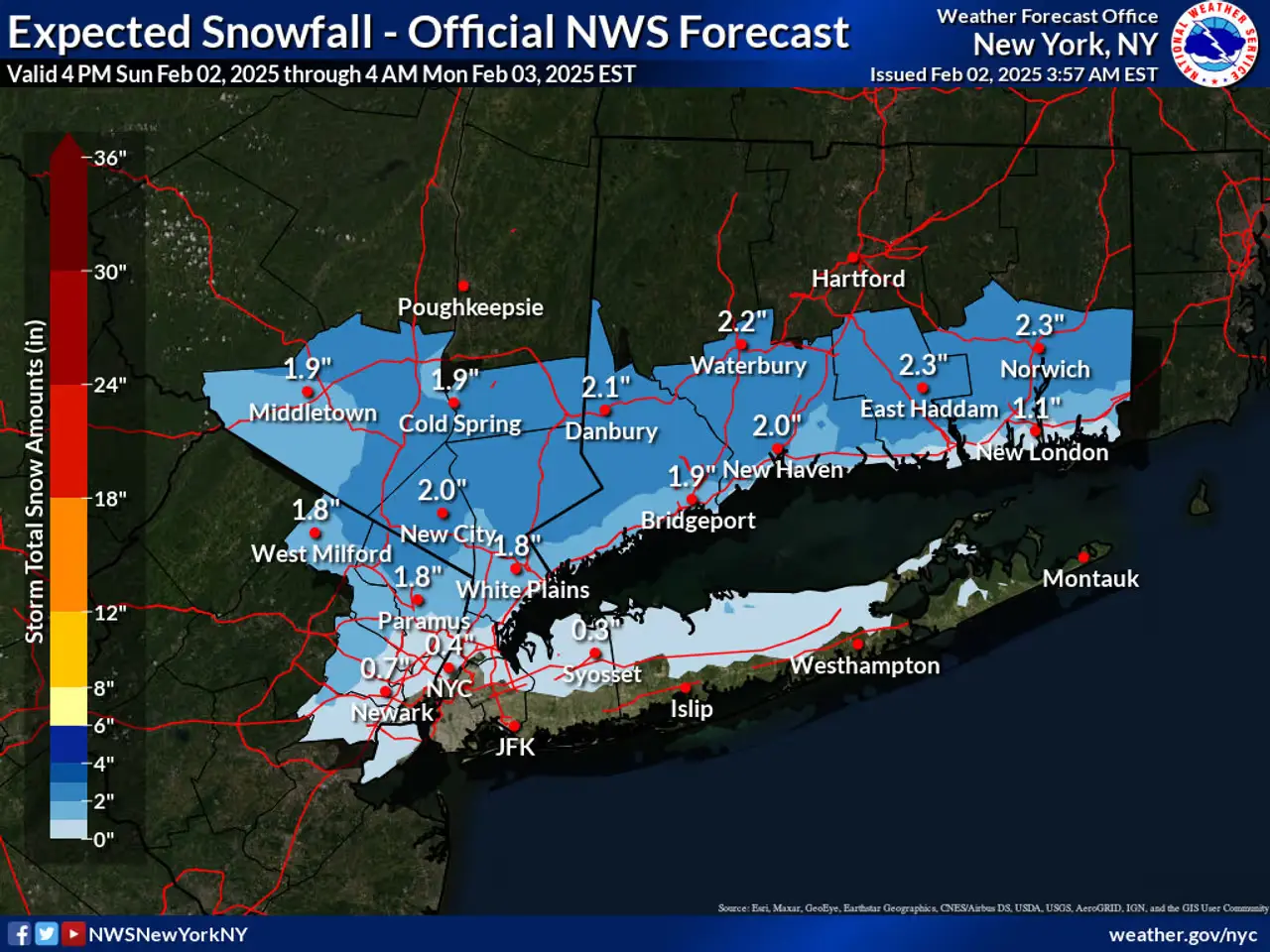
According to the National Weather Service (NWS), snowfall totals have varied drastically, with some areas seeing over 30 inches of snow. Minnesota and Wisconsin recorded some of the heaviest totals – Minneapolis reported 29 inches, while parts of Wisconsin reached nearly 36 inches. In the Northeast, regions such as Vermont and upstate New York experienced snowfall totals between 20 to 25 inches. Various locations within the Appalachian regions were also impacted, receiving substantial accumulations that led to road closures and safety warnings.
Associated Hazards and Preparedness
The heavy snowfall has prompted officials to issue warnings about hazardous driving conditions, as well as power outages due to the weight of snow on trees and power lines. Emergency services have been on high alert, prepared for rescues and support for communities cut off by snowdrifts. Many schools in affected areas have canceled classes, while local governments mobilized snow plows and salt trucks to clear roads and ensure public safety.
Conclusion and Outlook
As the winter storm subsides, the forecast indicates a gradual warming trend, leading to potential melting of snow in the coming days. However, the aftermath may still bring challenges in terms of flooding, especially as some areas have seen a combination of snow melt and rain. Weather experts advise residents to remain vigilant about changing conditions and prepare for the impact of possible thawing. The severity of this storm highlights the ongoing challenges that winter weather poses and the importance of preparedness in the face of natural events.