Introduction
A powerful winter storm has descended upon North Carolina, prompting warnings from meteorologists and local authorities. The storm is poised to bring snow, ice, and dangerously low temperatures that could severely impact travel, emergency services, and daily life for residents. Understanding the storm’s trajectory and implications is crucial for safety and preparedness as the region faces one of its most significant winter weather events in recent years.
Details of the Winter Storm
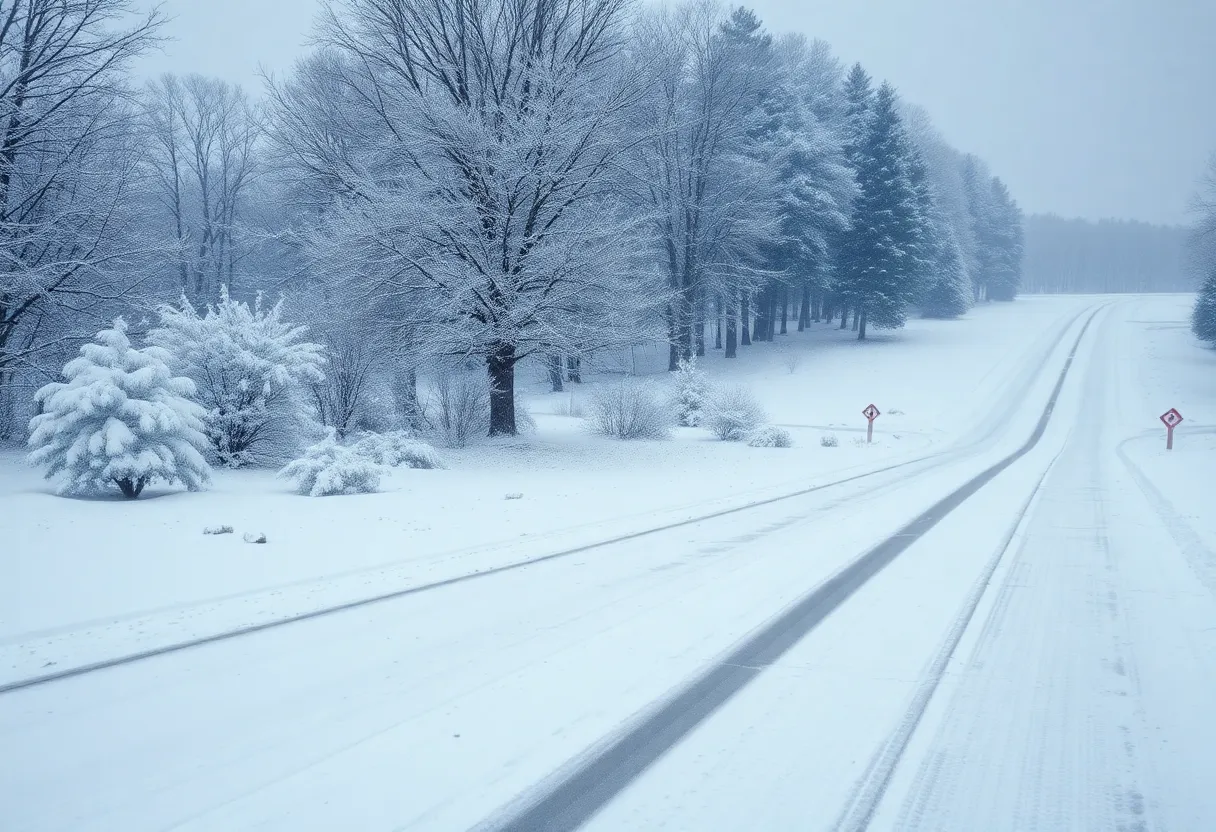
The National Weather Service (NWS) issued multiple winter storm warnings across North Carolina, expecting snowfall totals to potentially exceed 10 inches in some areas, particularly in the western mountains, while the eastern regions may experience mixed precipitation. Ice accumulation of up to half an inch is also likely in parts of the northern Piedmont, which can cause hazardous conditions on roads and power outages due to downed trees and power lines.
As the storm progresses, temperatures are expected to drop significantly, with wind chill factors making it feel even colder. Authorities advise residents to stay indoors where possible and to avoid unnecessary travel. Local schools and businesses have already announced closures in anticipation of the storm’s impact.
Emergency Services and Preparedness
Emergency services are preparing for the storm, urging residents to have emergency kits with essential supplies, such as food, water, medications, and flashlights. The state has activated resources to assist with snow removal and emergency response, particularly in regions expected to receive the heaviest snowfall. Shelters are being opened for those who may experience power outages or displacements due to the storm.
Conclusion
As North Carolina braces for this winter storm, residents are reminded of the importance of preparedness and safety. The National Weather Service advises staying informed through local broadcasts and weather updates to navigate the challenges ahead. This storm highlights the increasing unpredictability of winter weather patterns, emphasizing the need for communities to remain vigilant and ready to respond to changing conditions. While forecasts will continue to be updated, early preparation can significantly mitigate risks and ensure public safety as the storm unfolds.