Wolves vs Liverpool: FA Cup Showdown
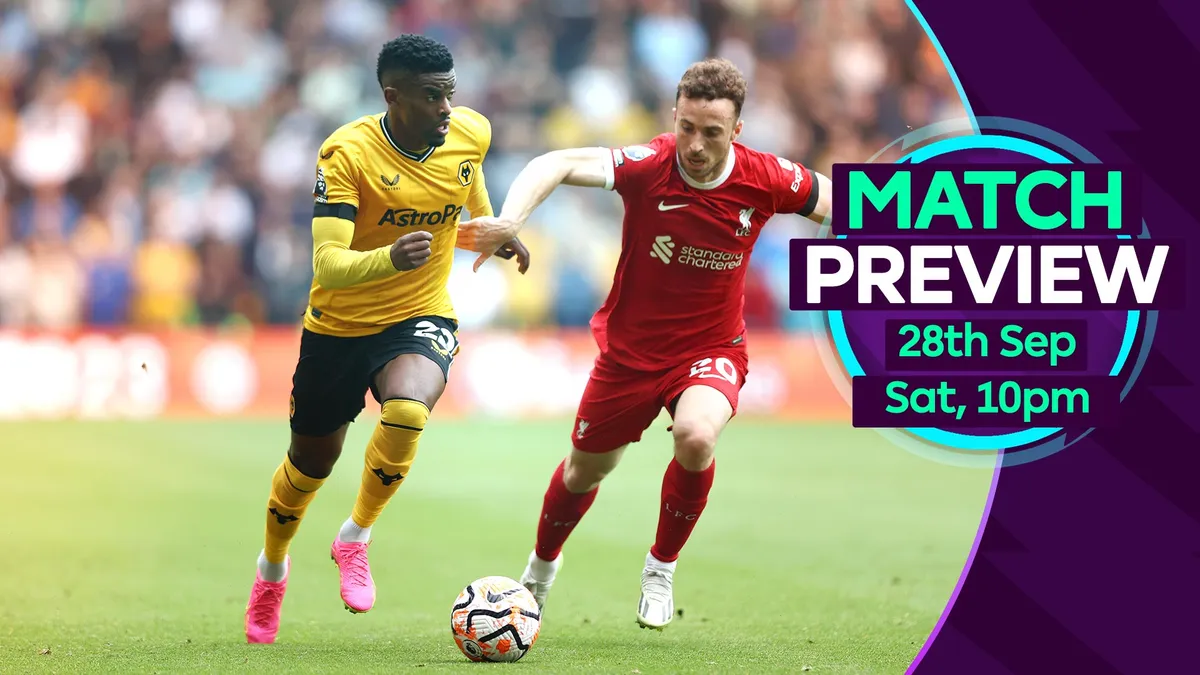
Liverpool’s emphatic 3-1 victory over Wolves in the FA Cup not only secured their place in the quarter-finals but also underscored their dominance on the pitch at Molineux Stadium. The match, held on March 6, 2026, saw Liverpool showcasing their attacking strength, with a total of 20 shots compared to Wolves’ mere 4, and a commanding possession rate of 67%.
The opening goal came from Liverpool’s Andy Robertson, who expressed his satisfaction with the strike, stating, “I couldn’t have hit it much better, no. It’s quite rare, but it opened up and thankfully I hit it clean – most of them usually go over the bar. I’m glad I managed to get one in the net.” This early lead set the tone for the match, allowing Liverpool to control the tempo and dictate play.
Following Robertson’s goal, Mohamed Salah doubled the lead, further solidifying Liverpool’s advantage. Curtis Jones then added a third goal, demonstrating the team’s offensive capabilities and depth. Wolves managed to score a consolation goal through Hee-Chan Hwang, but it was not enough to change the outcome of the match.
Both teams made significant changes to their lineups, with Liverpool opting for four alterations and Wolves making six changes. This strategic decision by both managers, Arne Slot for Liverpool and Rob Edwards for Wolves, highlighted the importance of squad rotation in a busy fixture schedule.
The match also featured the use of VAR technology for goal decisions, a tool that has become integral to modern football. Liverpool’s expected goals (xG) for the match stood at 1.80, while Wolves managed an xG of only 0.44, reflecting the disparity in offensive effectiveness.
Historically, this victory was particularly significant for Liverpool as they had recently suffered a defeat to Wolves in a Premier League match just days prior. This FA Cup encounter provided a timely opportunity for redemption, allowing Liverpool to demonstrate their resilience and ability to bounce back from setbacks.
As Liverpool advances to the next round of the FA Cup, the focus will now shift to their upcoming fixtures and how they will maintain this momentum. Details remain unconfirmed regarding the potential impact of injuries or tactical adjustments for future matches.
The implications of this match extend beyond just the tournament; it reinforces Liverpool’s status as a formidable competitor in domestic football, while Wolves will need to regroup and reassess their strategies moving forward.