World Cup unites North America
The recent World Cup, co-hosted across North America, has been described as a significant event, fostering unexpected unity and shifting perceptions. Initially, there were concerns about the tournament’s success, with headlines highlighting potential issues such as a lengthy US government shutdown impacting local preparations, a perceived toxic political environment deterring international visitors, and reports of price gouging. The start of a conflict in Iran also contributed to a sense of apprehension among some observers regarding the US government’s reputation.
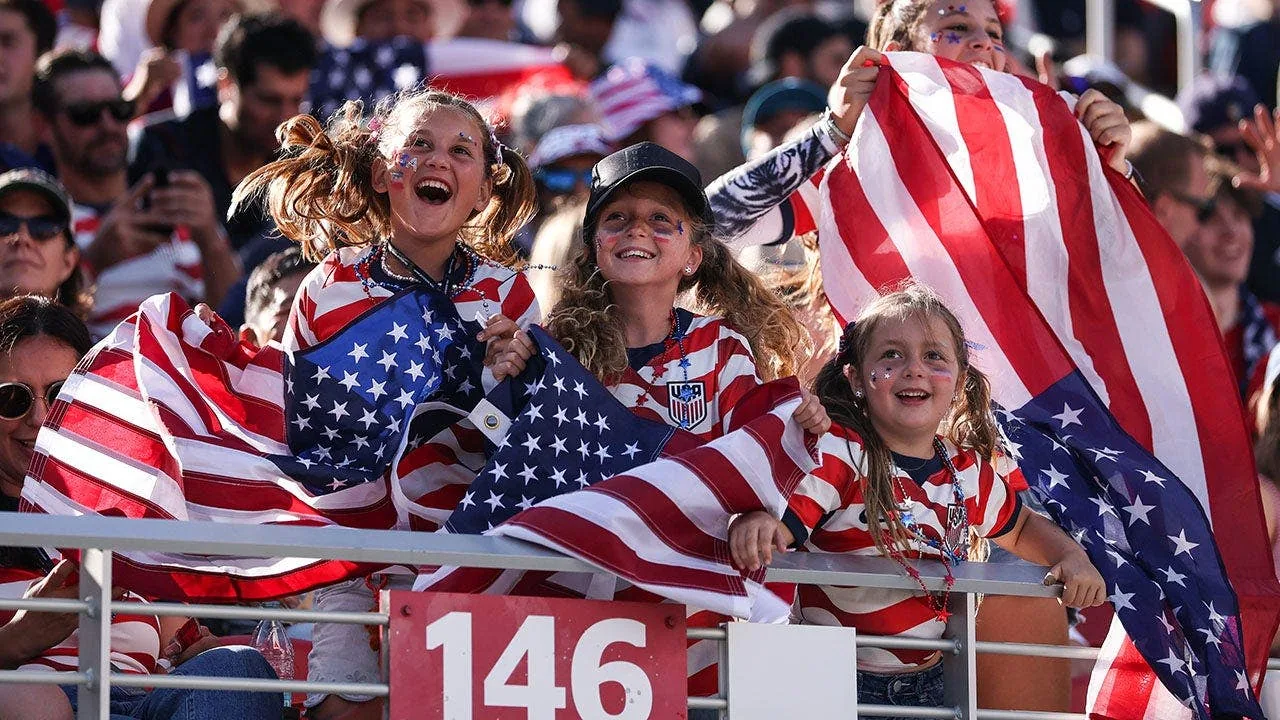
Despite these initial worries, the tournament, from its opening match in Mexico City to the final whistle in the New Jersey Meadowlands, proved to be a remarkable celebration. It brought together diverse nationalities, with scenes of South Koreans and Mexicans bonding, Scottish fans in Boston, Norwegians engaging in various activities, and large numbers of Brazilians, Argentines, and Colombians taking over cities. Tourists also had the opportunity to experience American culture, including local delicacies.
Community spirit shines through
The event provided a platform for communities to showcase their hospitality. For example, Team Algeria found enthusiastic support in Lawrence, Kansas, which became their training base. Boston experienced a connection with Scottish fans, who later moved on to Miami. Seattle was noted for its atmosphere, and Atlanta’s downtown fanfest attracted thousands, becoming a popular destination.
One notable instance of community spirit involved a German fan named Sebastian, who traveled to the United States for the tournament. Despite initial apprehensions fueled by negative portrayals of the country, Sebastian experienced an act of kindness from a man named Bob in Boston. After attending a match between Germany and Paraguay, Sebastian found himself without a way back to his hotel. Bob, a stranger, offered him a ride, an interaction that Sebastian later described as deeply moving.
This type of interaction was not isolated, as social media was reportedly filled with videos from international visitors documenting positive experiences. Many praised the hospitality of ordinary Americans, as well as the country’s diversity, national parks, food, and culture. These visitors often expressed surprise at the warmth they encountered, contrasting it with the negative narratives they had previously heard about the United States.
Beyond the politics
While the World Cup was largely focused on the sport, political undertones were present during its 39-day duration. Issues such as the Iranian team’s treatment by FIFA and the US government, including a last-minute change to their training base and restricted travel, drew criticism. There were also reports of a referee being denied entry due to nationality and other nations facing visa issues, which were attributed to the administration at the time.
Despite these political moments, the on-field action often recaptured public attention. An example cited was Lionel Messi and Argentina’s comeback victory against Egypt, winning 3-2 after being down 2-0. This match was highlighted as a reminder that the magic of the game could overshadow external political narratives.
The tournament’s impact is expected to be analyzed for some time, with studies likely to examine the economic costs versus revenues for host cities. However, an immediate and apparent effect was the demonstration of American hospitality to the world. Visitors frequently commented on the kindness of everyday Americans, which challenged their preconceived notions about the country.
For 39 days, the World Cup provided a period of joy and connection for many, allowing people from various backgrounds to support their teams and create shared memories. The event facilitated interactions and shared experiences, such as dancing with Congolese fans after their team advanced to the knockouts for the first time, and witnessing Cape Verde‘s strong performance against former world champions.
Read Also
Source: cnn.com