Introduction
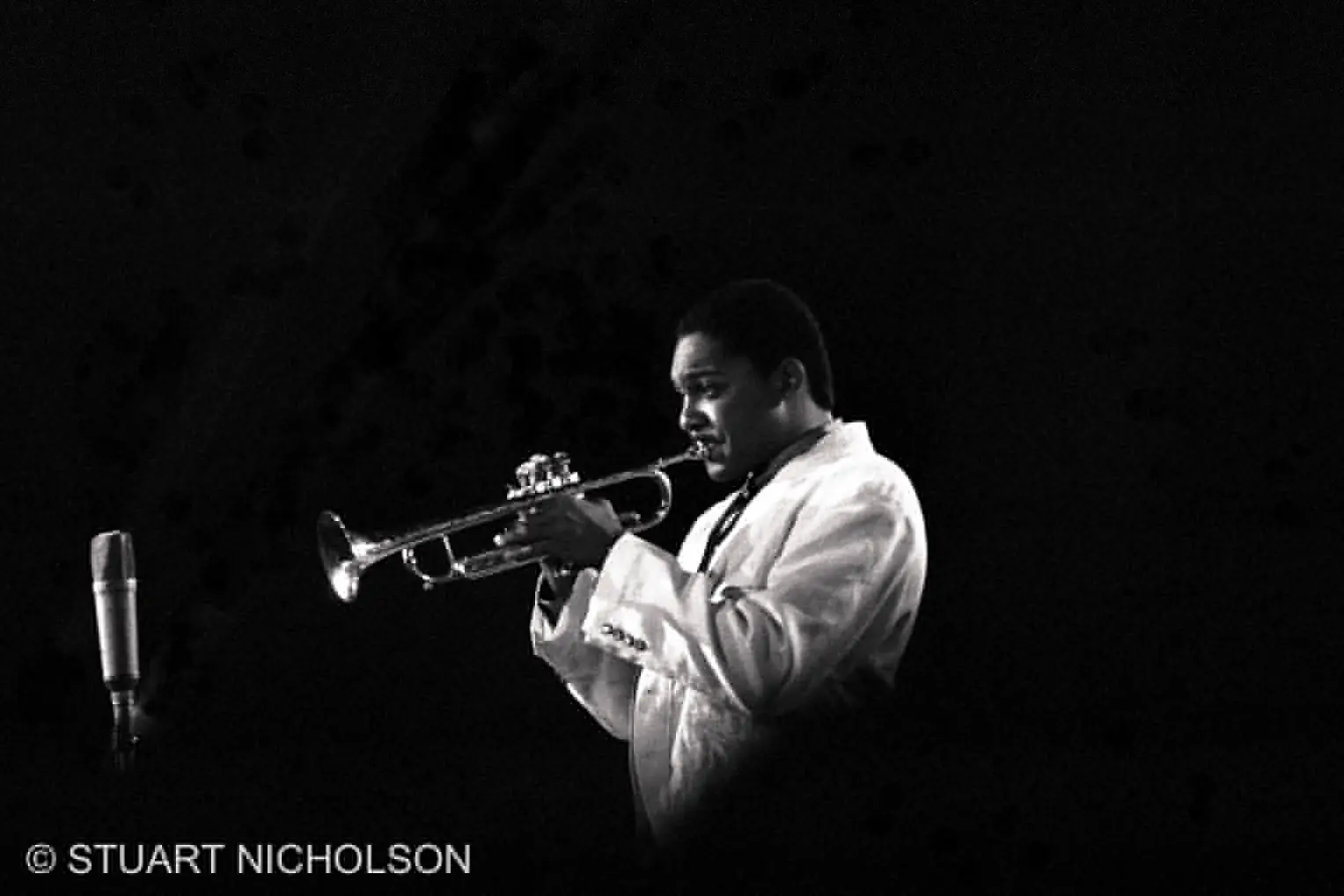
Wynton Marsalis is more than just a name; he is a symbol of jazz and a beacon of cultural advocacy. As one of the leading jazz musicians of his generation, Marsalis has carved a significant space in both the music world and arts education. His relevance transcends just music, as he actively engages in cultural discussions and advocates for the importance of the arts within education.
Musical Achievements
Born in New Orleans in 1961, Marsalis is a prodigious trumpeter and composer who has won numerous accolades, including nine Grammy Awards and the prestigious Pulitzer Prize for Music in 1997. His commitment to jazz has not only elevated the genre but has also helped to revive interest in classical jazz forms. His artistry encompasses a wide range of styles from traditional New Orleans jazz to more contemporary expressions.
Preservation and Advocacy
Beyond his performance career, Marsalis is known for his dedication to music education and cultural preservation. As the Managing and Artistic Director of Jazz at Lincoln Center, he has spearheaded numerous initiatives aimed at bringing jazz to the forefront of educational curricula and public consciousness. Through concerts, lectures, and educational programs, Marsalis seeks to introduce new generations to the rich history and dynamism of jazz music.
Recent Developments
In recent months, Marsalis has expanded his influence beyond music, collaborating with various artists and institutions to enhance the visibility of jazz in a rapidly changing artistic landscape. He has also spoken out about the challenges artists face in the current socio-political environment, emphasizing the need for artistic expression as a vital component of social discourse. His recent performances have been received enthusiastically, reflecting both a return to live events and a renewed appreciation for the arts post-pandemic.
Conclusion
Wynton Marsalis stands as a towering figure in the world of jazz and music education, embodying the spirit of resilience and innovation. As he continues to perform and advocate for the arts, his legacy will undoubtedly inspire future musicians and cultural leaders. The significance of his work extends far beyond the concert stage; it speaks to the essential role of music in fostering community, encouraging creativity, and promoting historical awareness. For readers, engaging with Marsalis’s work offers not only a deeper appreciation of jazz but also insight into the transformative power of the arts in society.