Introduction
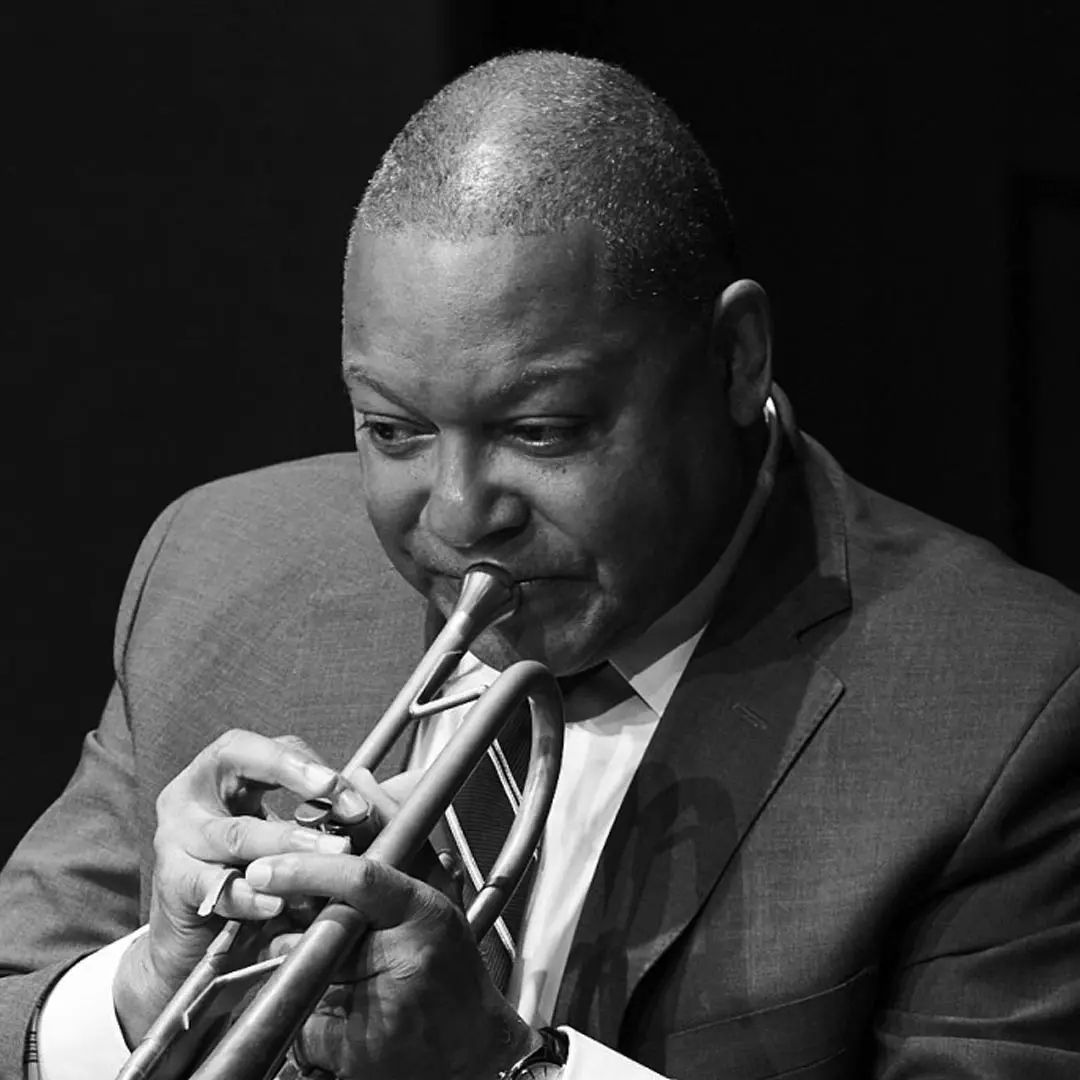
Wynton Marsalis, an iconic figure in the jazz world, has been a significant influence on the genre since the 1980s. As a trumpeter, composer, and bandleader, Marsalis has dedicated his career to not only creating exceptional music but also to preserving and promoting jazz as an essential part of American culture. His ongoing contributions and advocacy for jazz education underscore the genre’s relevance in today’s society.
Career Highlights
Born in New Orleans in 1961, Wynton Marsalis showed prodigious talent at an early age, later studying at the Juilliard School. He made his professional debut in 1980 and quickly rose to fame, becoming the first musician to win Grammy Awards in both classical and jazz categories in the same year. Throughout his career, Marsalis has released over 40 albums and has received nine Grammy Awards, along with the prestigious Pulitzer Prize for Music in 1997 for his work Blood on the Fields.
The Jazz At Lincoln Center Orchestra
In 1987, Marsalis was instrumental in founding the Jazz at Lincoln Center Orchestra, which now stands as one of the premier ensembles in the jazz realm. The orchestra not only showcases mastery of traditional jazz repertoire but also emphasizes new compositions that challenge and evolve the genre. Under Marsalis’s directorship, they have performed around the world, educating audiences about the importance of jazz in American history.
Social Impact and Education
Wynton Marsalis is not just a musician but also a passionate advocate for jazz education. He has been actively involved in programs aimed at underserved communities, helping young musicians develop their skills. His commitment to nurturing the next generation is evident through the creation of the The Young Lions Jazz Conservatory, which provides comprehensive jazz education and opportunities for youth.
Recent Activities and Future Aspirations
This year, Marsalis has continued to perform with the Jazz at Lincoln Center Orchestra, participating in various festivals and educational tours. Furthermore, his recent lectures and engagements have sparked conversations about the future of jazz, the importance of innovation, and how music can serve as a form of social commentary. Observers note that Marsalis is at a pivotal moment in his career where his legacy will not only celebrate past accomplishments but also inspire future generations.
Conclusion
Wynton Marsalis remains a vital force in the world of jazz music. His role as a performer, educator, and advocate showcases the enduring power of jazz in communicating cultural stories and social issues. As he continues to influence and inspire, the future of jazz remains bright, with Marsalis at the forefront, preserving its rich traditions while pushing the boundaries of the genre.