Introduction
Zion National Park, located in the southwestern part of Utah, is one of America’s most stunning natural landscapes, attracting millions of visitors each year. Known for its towering cliffs, grand canyons, and diverse ecosystems, Zion serves as a premier destination for outdoor enthusiasts, nature lovers, and photographers alike. The park’s rich geological features and abundant wildlife provide unique opportunities for exploration and connection with the great outdoors. As travel continues to rebound post-pandemic, Zion National Park remains highly relevant in discussions surrounding eco-tourism and outdoor recreation.
The Landscape of Zion
Zion spans over 146,000 acres and features a dramatic tapestry of landscapes, including the famous Zion Canyon, carved over millions of years by the Virgin River. The park is home to iconic rock formations such as The Great White Throne and Angels Landing, the latter being notorious for its challenging hike and breathtaking panoramic views. In addition to its geological wonders, Zion boasts diverse plant and animal life. From desert flora to riparian habitats, the park is a biodiversity hotspot, hosting over 1,000 species of plants and numerous wildlife species.
Recreational Opportunities
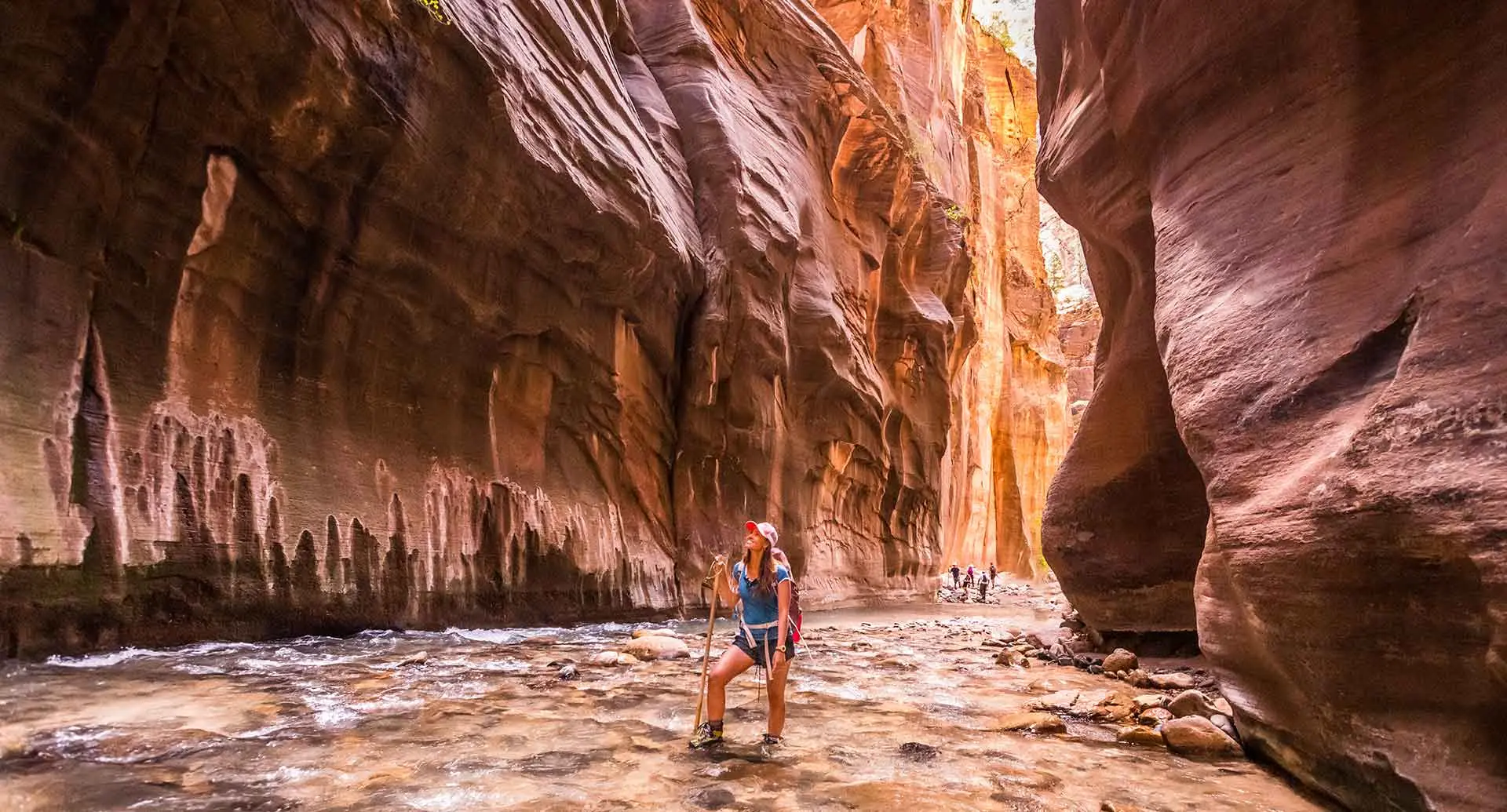
Hiking is undoubtedly one of the main attractions in Zion National Park, with hundreds of miles of trails ranging from easy walks to strenuous climbs. Visitors can take on the popular Angel’s Landing Trail or the challenging Narrows hike, where adventurers wade through water in a narrow slot canyon. Given Zion’s uniqueness, annual events like the ‘Zion Canyon Music Festival’ and ‘Zion Half Marathon’ garner great interest, drawing participants from across the country. Furthermore, the park constantly promotes sustainable practices to protect its stunning environment, enhancing its role as a leader in the eco-tourism movement.
Visitor Information and Future Outlook
As visitor numbers grow, park officials are implementing new reservation systems to manage crowds, especially during peak seasons. As of October 2023, the park has noted a 15% increase in visitor numbers compared to pre-pandemic levels, thus, effective conservation and management strategies are crucial to preserving Zion’s natural beauty for future generations. For those planning to visit, it is essential to stay updated on current conditions, road closures, and the availability of camping facilities, especially as weather conditions can change rapidly in the region.
Conclusion
Zion National Park’s awe-inspiring landscapes and rich biodiversity make it a vital destination for nature lovers and adventure seekers. Its importance not only lies in its scenic beauty but also in its role in promoting environmental awareness and sustainable tourism practices. As travel habits continue to change, Zion remains a testament to the importance of protecting our natural treasures, making it a key destination on any explorer’s journey.