Understanding Weather Risks
“When thunder roars, get indoors.” This well-known advice serves as a reminder of the dangers associated with thunderstorms, including the risk of lightning strikes. According to the National Weather Service, the odds of being struck by lightning in one’s lifetime are approximately 1 in 15,300. While this risk may seem low, it is a significant concern during stormy weather.
Pollen Levels on the Rise
As we look ahead to 2026, AccuWeather has forecasted high tree pollen levels across 29 states. The tree pollen season is expected to begin early in the South and gradually build through spring. The Ohio Valley is predicted to experience some of the highest tree pollen levels during this time, which could affect many individuals with allergies.
In addition to tree pollen, grass pollen is anticipated to spike in early summer across the northern Plains and Great Lakes regions. As summer transitions into fall, weed pollen from ragweed, sagebrush, and thistle will dominate the air, further impacting those sensitive to allergens.
Data Management Challenges
AccuWeather has been at the forefront of weather forecasting, maintaining 30 years of historical weather data for customer analysis. However, the company has faced challenges related to data volume constraints and managing numerous data sources. Travis Teague, a representative from AccuWeather, noted, “If we wanted to do analysis on a model run that came in and see if it was worse than what’s coming in now, we can’t do that because we have to purge that data from our on-prem systems because we just don’t have capacity for it.” This highlights the ongoing struggle to balance data retention with processing capabilities.
Innovative Solutions for Weather Data
To address these challenges, AccuWeather is seeking solutions to automate complex data workflows. The weather data they handle consists of highly specialized file formats that require custom tools for processing. By improving their data management systems, AccuWeather aims to enhance the accuracy and reliability of their forecasts.
Real-Time Observational Data
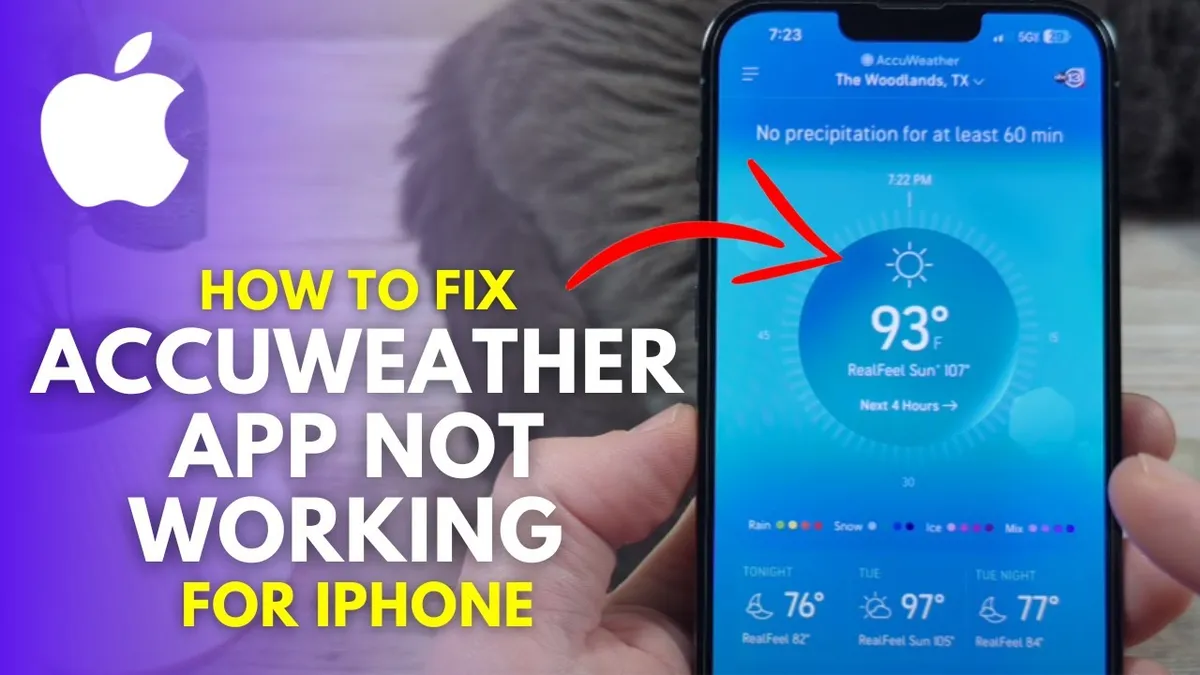
AccuWeather processes real-time observational data for live streaming to customer apps, ensuring that users receive timely updates on weather conditions. This capability is crucial for individuals who rely on accurate weather information for planning their daily activities, especially during pollen season when outdoor conditions can change rapidly.
Future Developments
As AccuWeather continues to refine its forecasting methods and data management practices, the company remains committed to providing reliable weather information. With the anticipated rise in pollen levels and the ongoing risks associated with thunderstorms, staying informed about weather patterns will be essential for public health and safety.
Details remain unconfirmed regarding the specific impacts of the upcoming pollen season and how AccuWeather plans to implement its data management solutions. However, the company’s proactive approach indicates a readiness to tackle these challenges head-on.