Introduction
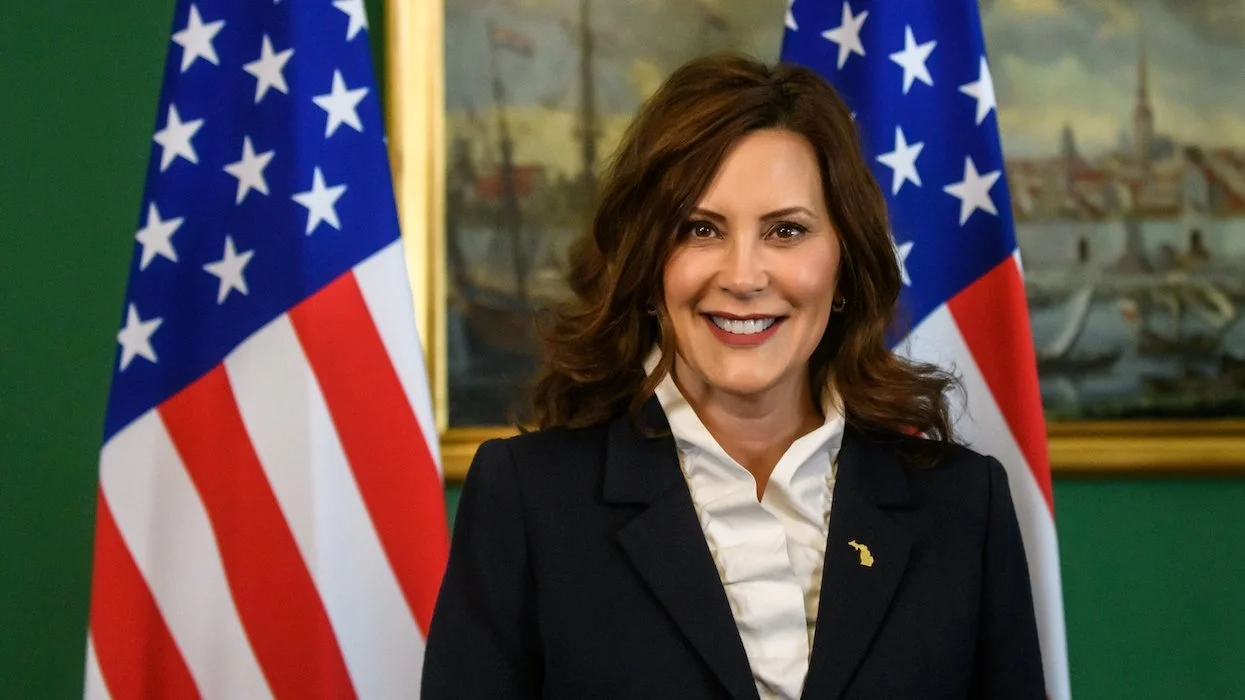
Gretchen Whitmer has been serving as the Governor of Michigan since January 2019, and her leadership has been pivotal in addressing various pressing issues facing the state. As a prominent figure in the Democratic party, her policies and decisions have attracted significant national attention, especially in light of recent events such as the COVID-19 pandemic, economic recovery efforts, and social justice reforms. Understanding her contributions and challenges is crucial for Michiganders and political observers alike.
Key Initiatives and Challenges
During her time in office, Governor Whitmer has focused on several key initiatives. One of her most pressing challenges was managing the state’s response to the COVID-19 pandemic. Michigan faced intense health crises, but under her administration, the state implemented strict safety measures that helped to flatten the curve. Whitmer’s approach has received both praise and criticism, highlighting the delicate balance a leader must maintain during such unprecedented times.
In addition to public health, Whitmer has prioritized economic recovery, launching her ‘MI Safe Start’ plan to rejuvenate Michigan’s economy post-pandemic. Recent reports indicate that her efforts to improve job availability and workforce development are beginning to show positive results, with Michigan’s unemployment rate gradually declining. Furthermore, her administration has emphasized infrastructure improvements, proposing significant investments in roads, bridges, and public transportation systems.
Education and Social Issues
Education has been another critical aspect of Whitmer’s agenda. She has advocated for increased funding for K-12 public schools, aiming to enhance educational opportunities and resources for Michigan students. Whitmer has also championed policies focusing on the expansion of pre-K programs to ensure early childhood education is accessible to more families.
Social justice and equity have emerged as vital components of her governance. Whitmer has spoken out against systemic racism and has worked towards reforming the justice system, promoting policies to address inequalities. Her commitment to these issues has solidified her place as a significant player in the national discourse surrounding social reforms.
Conclusion
Gretchen Whitmer continues to navigate complex political landscapes as she leads Michigan through challenging times. Her focus on health, economy, and social justice underscores her commitment to improving the lives of Michiganders. Looking ahead, her policies will likely play a substantial role in defining the state’s future trajectory, especially as Michigan heads towards the 2024 elections. The significance of her leadership cannot be overstated, as she remains a key figure in both state and national politics.