Introduction
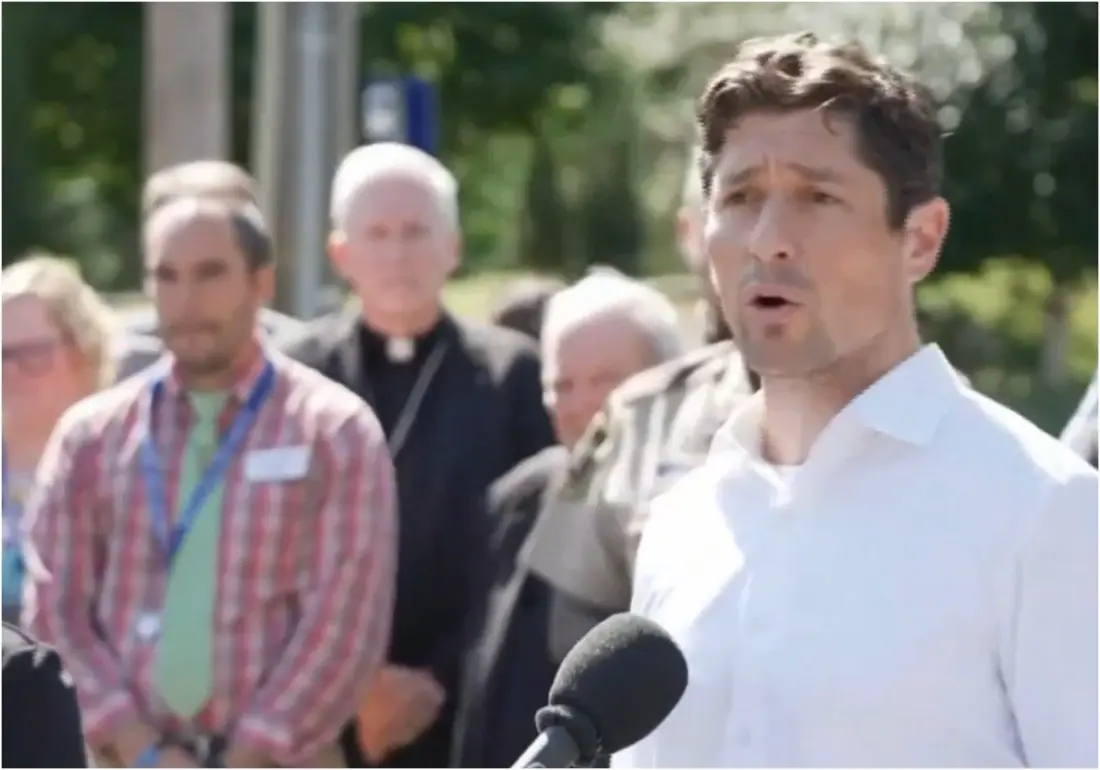
Jacob Frey has been a pivotal figure in Minneapolis politics since he was elected mayor in 2017. His leadership has been characterized by a focus on equity, public safety, and community resilience, particularly in the wake of events that have significantly impacted the city, such as the George Floyd protests. His policies and decisions are crucial not just for Minneapolis but serve as a case study for urban leadership in contemporary America.
Notable Policies
One of Frey’s major focuses has been addressing police reform and public safety in the aftermath of the tragic death of George Floyd in May 2020. He proposed a comprehensive public safety plan that includes reallocating funds from the police department towards mental health services, violence prevention programs, and community-led safety initiatives. This plan aims to build trust between law enforcement and the community, a necessary step in healing the divisions exposed by the incident.
Community Engagement and Challenges
Frey’s administration has emphasized community engagement as a cornerstone of his leadership style. He has led initiatives to involve citizens in the decision-making process, recognizing that effective governance must include the voices of those impacted by policies. However, Frey’s re-election campaign is approaching and he faces criticism from various quarters. Some community activists feel he has not gone far enough on police reform; others support his more moderate approach to governance during a turbulent time.
Significance of Leadership
Frey’s approach offers an important lesson in urban leadership; balancing the demands of safety, reform, and community trust is complex and fraught with challenges. Over the next several years, his policies will likely be scrutinized more heavily as the city continues to navigate its way through various social and economic pressures following the pandemic, civil unrest, and ongoing debates about the future of policing in America.
Conclusion
In summary, Jacob Frey’s leadership as mayor of Minneapolis presents a significant case for urban governance in the 21st century. As he approaches another election cycle, the outcomes of his policies may shape not only his political future but also offer vital insights into how cities across the nation can address issues of equity and safety in ways that foster community trust and resilience. As the situation evolves, both supporters and critics will be watching closely to see if he can navigate these challenges successfully.