Introduction
The Czech Republic, situated in Central Europe, is a country steeped in history and culture. Known for its picturesque medieval towns, stunning castles, and vibrant arts scene, the Czech Republic has become a popular destination for tourists and historians alike. Its strategic location and growing economy also make it a key player in European politics and commerce. Understanding the Czech Republic is not only important for appreciating its rich heritage but also for recognizing its current significance in the region.
Recent Developments
In recent years, the Czech Republic has faced several significant economic and political changes. The economy has rebounded strongly post-pandemic, with a 3.3% growth reported in 2022 according to Eurostat. This growth is fueled largely by a booming manufacturing sector, which has adapted effectively to supply chain challenges. Additionally, the government’s emphasis on green technology and digital transformation has attracted foreign investments, positioning the Czech Republic as a leader in sustainable innovations in Central Europe.
Politically, the Czech Republic has been active in the European Union and NATO, advocating for regional stability and cooperation, especially in light of the ongoing conflict in Ukraine. The nation has provided substantial humanitarian support and has been part of discussions concerning defense and energy security within Europe.
Tourism and Culture
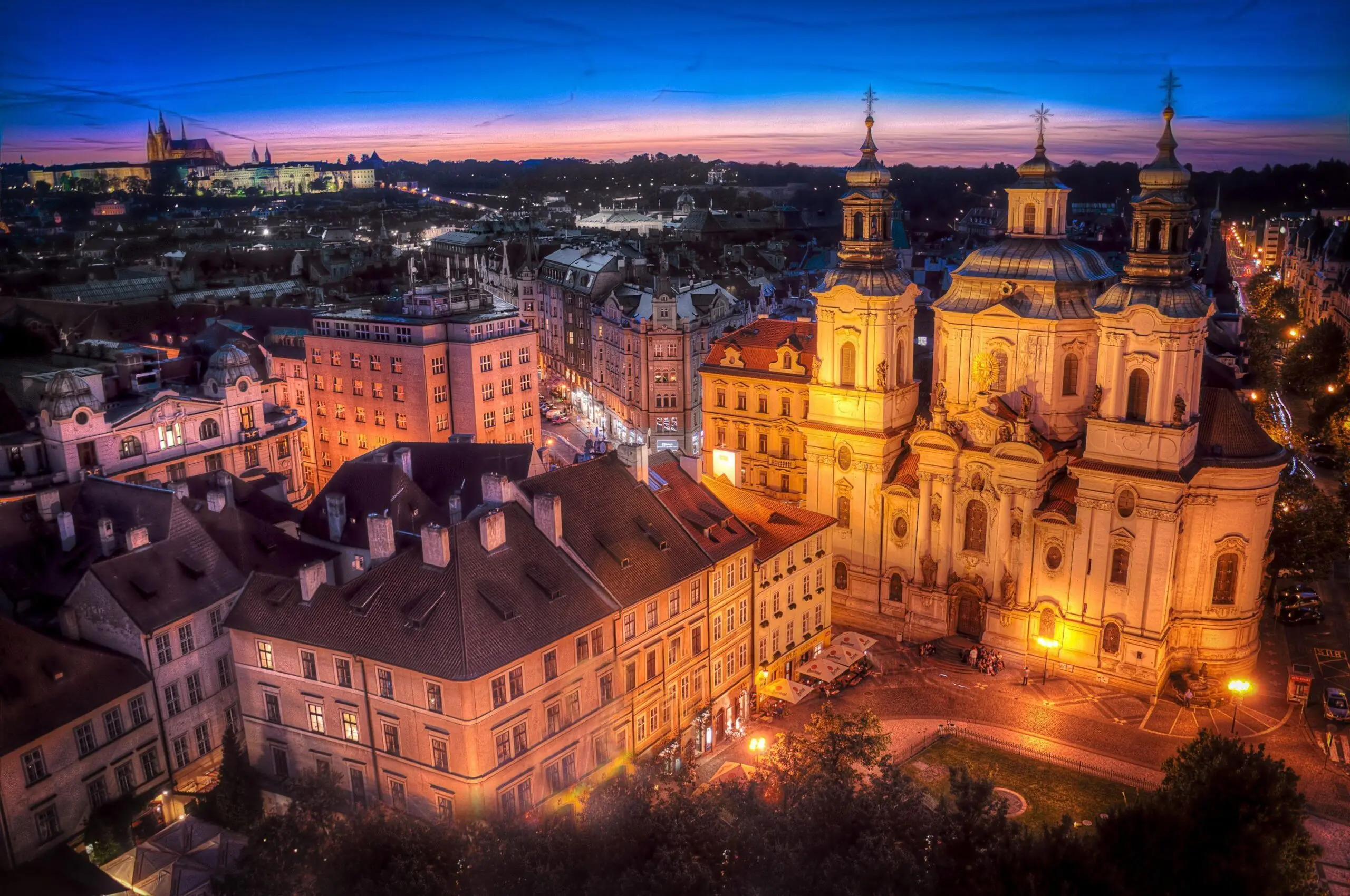
The Czech Republic remains a vibrant center for tourism with cities like Prague, often referred to as the “City of a Hundred Spires,” attracting millions each year. The UNESCO World Heritage Sites, including the historic center of Prague, Cesky Krumlov, and the Gardens and Castle at Kroměříž, showcase the nation’s rich architectural heritage. Festivals celebrating everything from classical music to film and beer are common, further enhancing its cultural appeal.
Moreover, Czech traditions and cuisine play a significant role in attracting tourists. The prominence of local beers, exquisite pastries, and hearty dishes reflects the country’s culinary legacy that appeals to food enthusiasts worldwide. The preservation of cultural sites and traditions continues to be a priority for the government, fostering a sense of national identity and pride.
Conclusion
The Czech Republic stands at a crossroads, blending its deep-rooted history with modern advancements in economy and culture. As it continues to grow and adapt to the changing European landscape, it offers both challenges and opportunities for its citizens and visitors alike. For readers, understanding the Czech Republic not only provides insight into a fascinating country but also illuminates the broader dynamics at play in Europe today.