Introduction
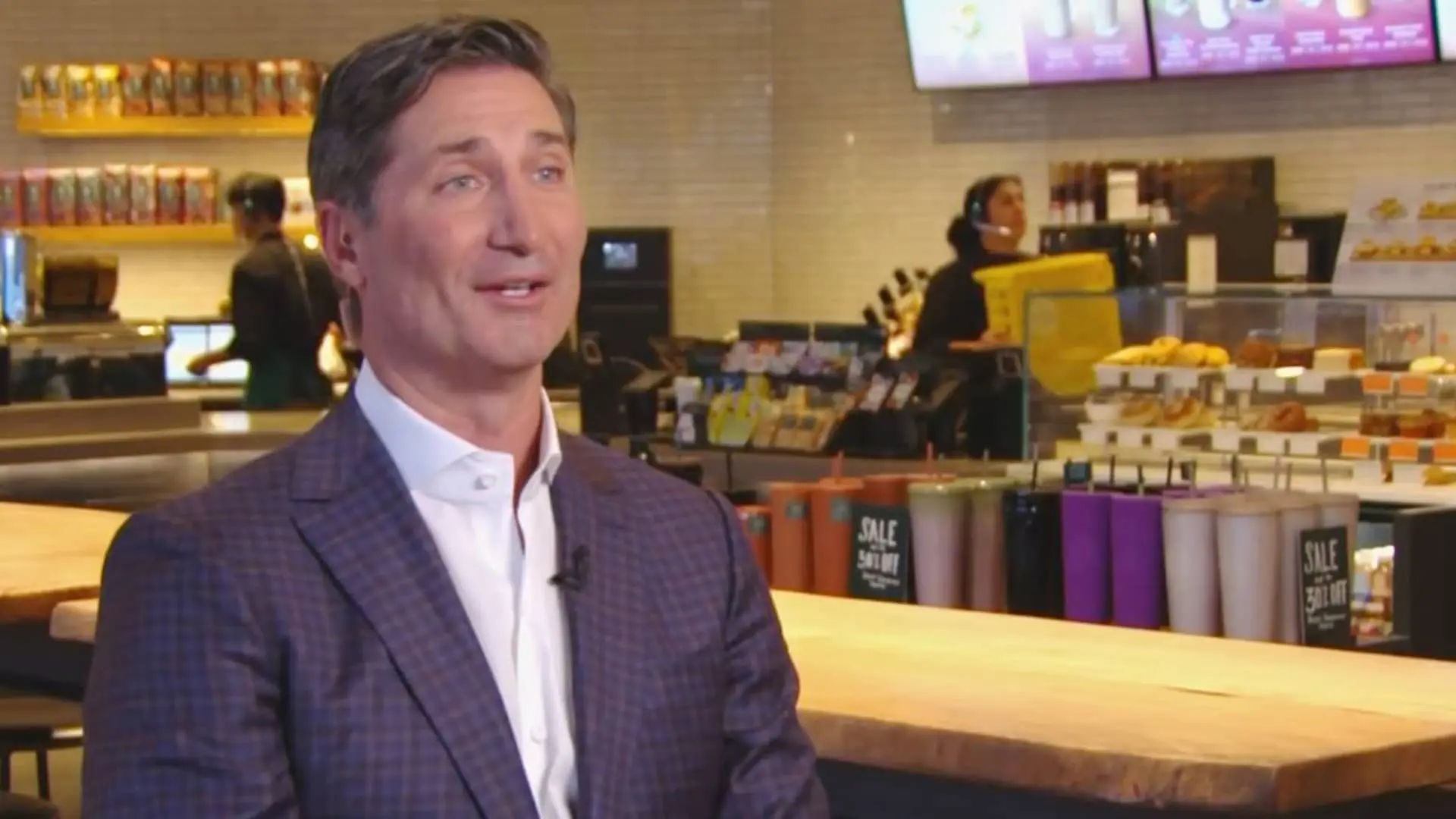
Brian Niccol, known for his transformative work at Chipotle, has recently taken the helm as CEO of Starbucks. His appointment comes at a crucial time for the coffee giant, which faces increasing competition and demands for innovation in a challenging market. Understanding the changes initiated by Niccol is vital for stakeholders who wish to gauge Starbucks’ future trajectory and growth potential.
Key Changes Implemented by Niccol
Since assuming the role, Niccol has introduced a series of strategic shifts aimed at revitalizing the brand and enhancing customer experience. One of his first major moves was to streamline Starbucks’ menu by removing underperforming items. This change aims to simplify operations and focus on customer favorites, ultimately improving service speed during peak hours.
Additionally, Niccol has emphasized the importance of digital initiatives. Under his leadership, Starbucks has launched enhanced mobile app features which include personalized recommendations and an improved rewards program. These changes reflect a growing trend in the food and beverage industry towards a seamless blend of technology and customer interaction.
Investing in Sustainability
Sustainability has also been at the forefront of Niccol’s vision. He announced plans to increase the company’s investment in sustainable sourcing and packaging. Starbucks aims to achieve its objective of becoming resource-positive, meaning the company seeks to give more than it takes from the environment. This initiative responds to consumer preferences for environmentally-conscious brands and aligns with Starbucks’ long-term commitment to social responsibility.
Market Response and Industry Implications
The response from investors has been cautiously optimistic. Following the announcement of these changes, Starbucks shares showed positive momentum, indicating confidence in Niccol’s approach. Industry analysts suggest that Niccol’s experience in revitalizing brands could lead to a robust turnaround strategy for Starbucks, especially as the coffee market becomes increasingly competitive.
Conclusion
In conclusion, Brian Niccol’s leadership at Starbucks signals a pivotal shift aimed at fostering innovation, enhancing customer experience, and committing to sustainability. As these initiatives unfold, industry observers will closely monitor their effectiveness and the company’s adaptability in a rapidly evolving market. For consumers and shareholders alike, Niccol’s changes may not only redefine Starbucks’ brand but also set new standards for the coffee industry as a whole.