Who is involved
April Fools’ Day, celebrated annually on April 1, has a rich history dating back to the 15th century, where it became synonymous with pranks and jokes. Traditionally, this day has been a time for lighthearted fun, where individuals play tricks on one another, often leading to humorous outcomes. However, in recent years, the day has transformed significantly, particularly for businesses that leverage this occasion for marketing and promotional stunts.
In the past, the expectation surrounding April Fools’ Day was largely centered on personal pranks among friends and family. However, the decisive moment came when companies began to recognize the potential of this day as a marketing tool. This shift has been marked by various brands launching elaborate pranks or promotions that not only entertain but also engage consumers in a unique way. For instance, Yasso announced a giveaway of 40,001 free Yasso Spoonables as part of their April Fools’ Day campaign, showcasing how brands can creatively connect with their audience.
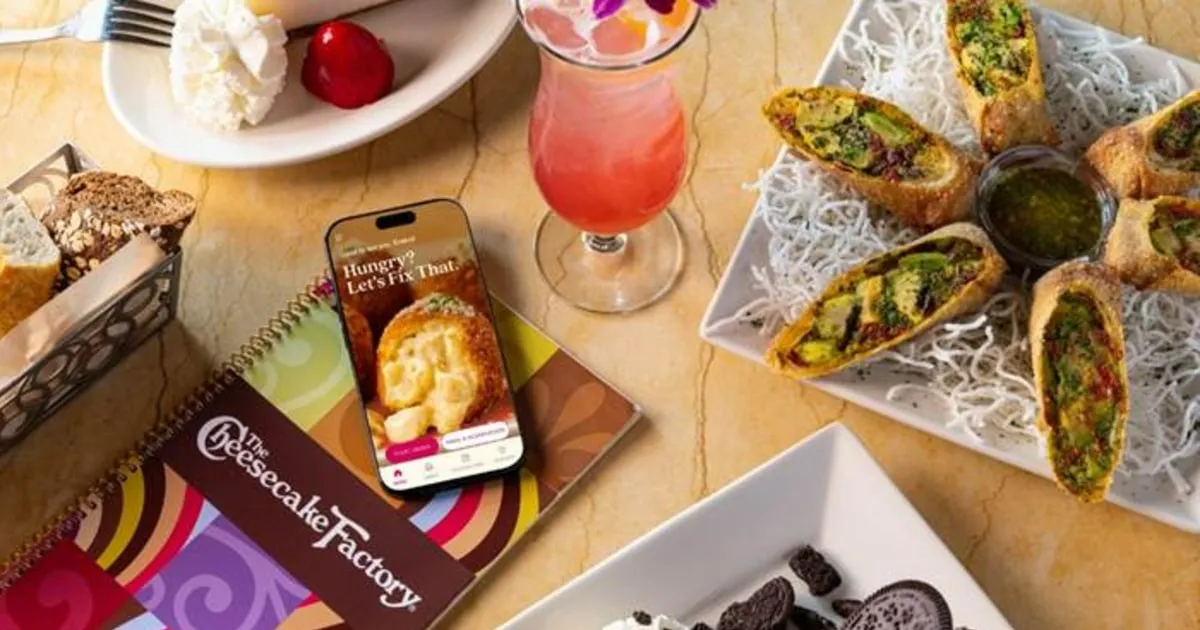
The immediate effects of this shift have been notable. Companies like Bad Daddy’s Burger Bar and BJ’s Restaurant & Brewhouse have introduced special offers to attract customers, such as select beers starting at $4 and a Sweet Heat Pepperoni Pizookie for $4.01, respectively. These promotions not only draw in customers but also create a buzz around the brand, enhancing visibility and engagement. Similarly, Checkers & Rally’s offered its Big Buford burger for $3, while Hooters provided 10 wings for $3.99, demonstrating how food promotions can effectively capitalize on the day.
However, the day can be both enticing and treacherous for brands. Shannon Chirone, an expert in marketing, noted, “April Fools’ Day is one of the most enticing and treacherous dates on the marketing calendar.” This dual nature of the day means that while brands can gain significant attention, they also risk backlash if their jokes miss the mark. For example, Volkswagen’s 2021 prank about changing its name to ‘Voltswagen’ caused stock fluctuations, illustrating the potential risks involved.
Moreover, the historical context of April Fools’ Day adds depth to its modern implications. The entire premise of the holiday revolves around making someone look foolish, a concept that has been embraced by brands over the years. Taco Bell’s 1996 prank about purchasing the Liberty Bell generated $25 million in publicity, highlighting how a well-executed joke can lead to substantial financial benefits for a company.
As brands continue to navigate the complexities of April Fools’ Day, the balance between humor and consumer sentiment remains critical. Google, for instance, acknowledged the challenges of this day, stating, “We love April Fools jokes at Google, and we regret that this joke missed the mark and disappointed you.” This sentiment reflects the delicate nature of brand engagement during this time.
In conclusion, April Fools’ Day has evolved from a simple day of pranks to a significant marketing opportunity for brands. As companies continue to explore creative ways to engage consumers, the potential for both success and failure remains high. The day serves as a reminder of the power of humor in marketing, but also the importance of understanding consumer perceptions and reactions.