What the data shows
The emergence of the Cicada COVID variant BA.3.2 raises critical questions about its implications for public health. BA.3.2, also known as ‘Cicada’, is a highly mutated variant that may evade immunity from vaccines or prior infections. As of February 11, 2026, it has been detected in at least 25 states across the United States, indicating a significant spread since its initial identification in November 2024 in South Africa.
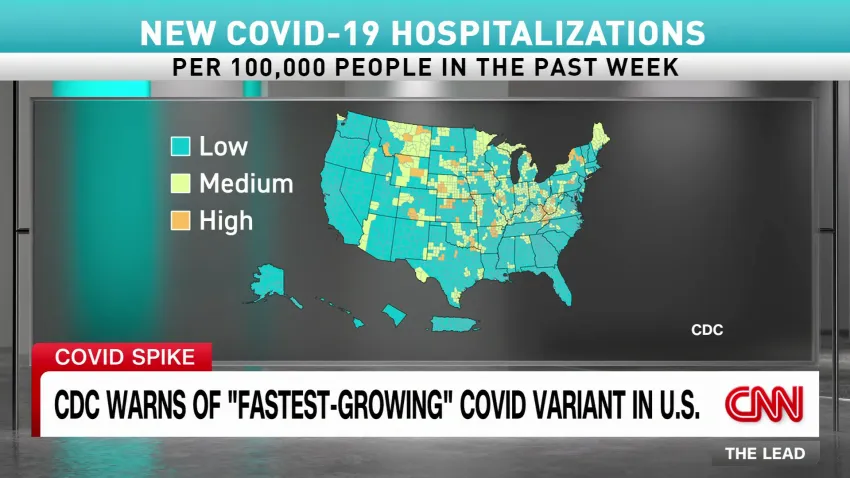
BA.3.2 is characterized by 70 to 75 mutations in its spike protein, which distinguishes it from other variants. This extensive mutation profile has led experts to express concerns about its potential to evade the immune response. Andrew Pekosz, a virologist, noted, “It has a lot of mutations that may cause it to look different to your immune system.” Despite these concerns, health officials have stated that the variant is not causing more severe disease or hospitalizations compared to previous variants.
The variant was first detected in the U.S. in June 2025, when it was identified in a traveler returning from the Netherlands. Since then, it has spread to various regions, with reports indicating that it accounted for approximately 30% of COVID-19 infections in some Eastern European countries as of February 2026. In the U.S., BA.3.2 has been detected at 132 sites in wastewater samples, further confirming its presence in communities.
Symptoms associated with BA.3.2 include cough, fever, sore throat, congestion, shortness of breath, loss of smell or taste, fatigue, headache, and gastrointestinal issues such as diarrhea or vomiting. However, vaccination remains a crucial tool in combating severe disease from this variant. Schaffner, a public health expert, emphasized, “The function of the vaccine is to keep us out of the hospital,” reinforcing the importance of vaccination in the ongoing pandemic.
Despite the variant’s mutations, experts like Dr. Robert H. Hopkins Jr. have reassured the public, stating, “I have not seen any data which indicates that Cicada is any more severe than other circulating variants.” Vaccines are expected to continue providing protection against severe disease from BA.3.2, which is a positive development in the fight against COVID-19.
BA.3.2 emerged over a year ago and slowly simmered until last fall, when it started ramping up in several countries, including the U.S. The exact reasons for the resurgence of BA.3.2 are unclear, and details remain unconfirmed. The long-term impact of BA.3.2 on COVID-19 infection rates is also uncertain, leaving health officials vigilant as they monitor the situation.
As the variant spreads, public health agencies like the CDC and WHO continue to gather data and provide guidance. Vaccination efforts are ongoing, and health officials are encouraging individuals to stay informed about the latest developments regarding BA.3.2 and its implications for public health.