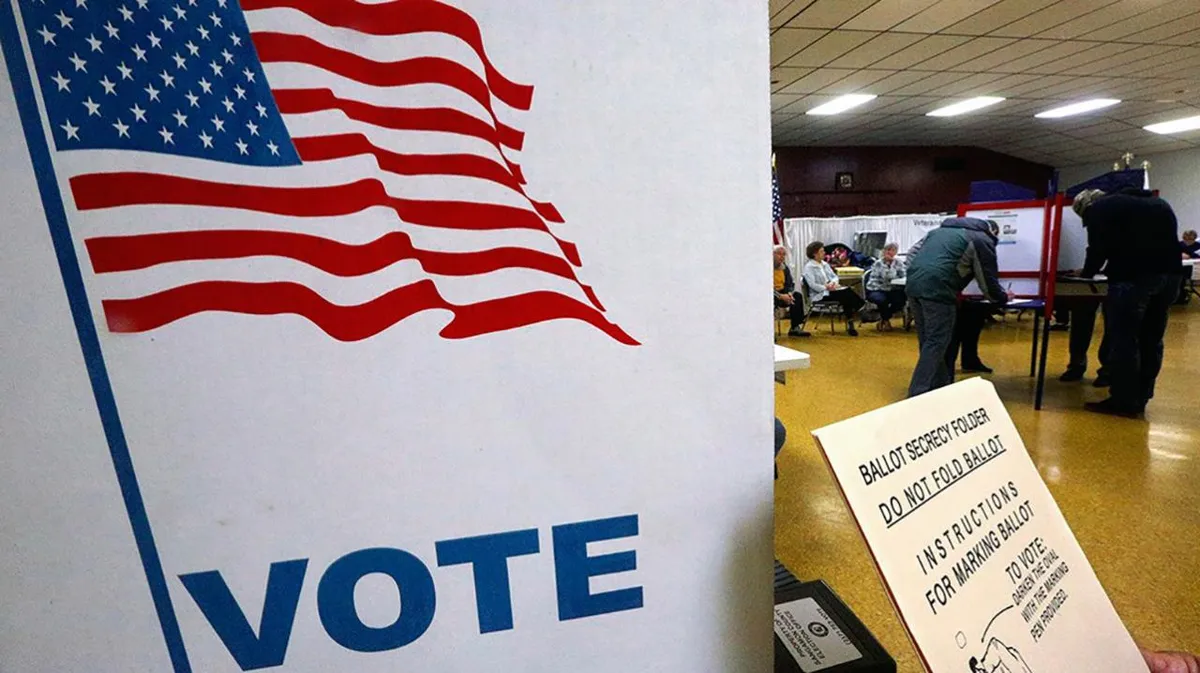
The dismissal of the Department of Justice’s lawsuit seeking Arizona’s unredacted voter rolls marks a significant legal defeat in its nationwide effort to access state voter data. U.S. District Judge Susan Brnovich made the ruling, stating that the lawsuit was dismissed with prejudice, meaning it cannot be refiled.
The DOJ has lost six lawsuits aimed at obtaining states’ voter rolls. In January, the DOJ sued Arizona after Secretary of State Adrian Fontes refused to provide the requested voter data, citing privacy protections. The court concluded that Arizona’s statewide voter registration list is not subject to request by the Attorney General under the Civil Rights Act of 1960.
Key facts:
- The DOJ’s legal theory was rejected, which relied on a provision requiring states to provide certain election-related records.
- The ruling follows similar dismissals in California, Oregon, Michigan, Massachusetts, and Rhode Island.
- At least 13 states have either provided or promised to provide their detailed voter registration lists to the DOJ.
Fontes stated that the ruling is a win for voter privacy. He emphasized that he would never comply with illegal requests that jeopardize Arizona voters. The sensitive personal information sought by the DOJ included birthdates, addresses, and Social Security numbers.
The court’s decision reinforces Arizona’s stance on protecting voter privacy against federal scrutiny. Yet, the DOJ continues its efforts across multiple states; it has sued at least 30 states and the District of Columbia seeking to force release of detailed voter data.
Adrian Fontes and Kris Mayes stated that Arizona acted correctly in refusing this request and that today’s ruling vindicates that decision. The implications of this ruling may set precedents for future cases involving state versus federal authority over voter data requests.