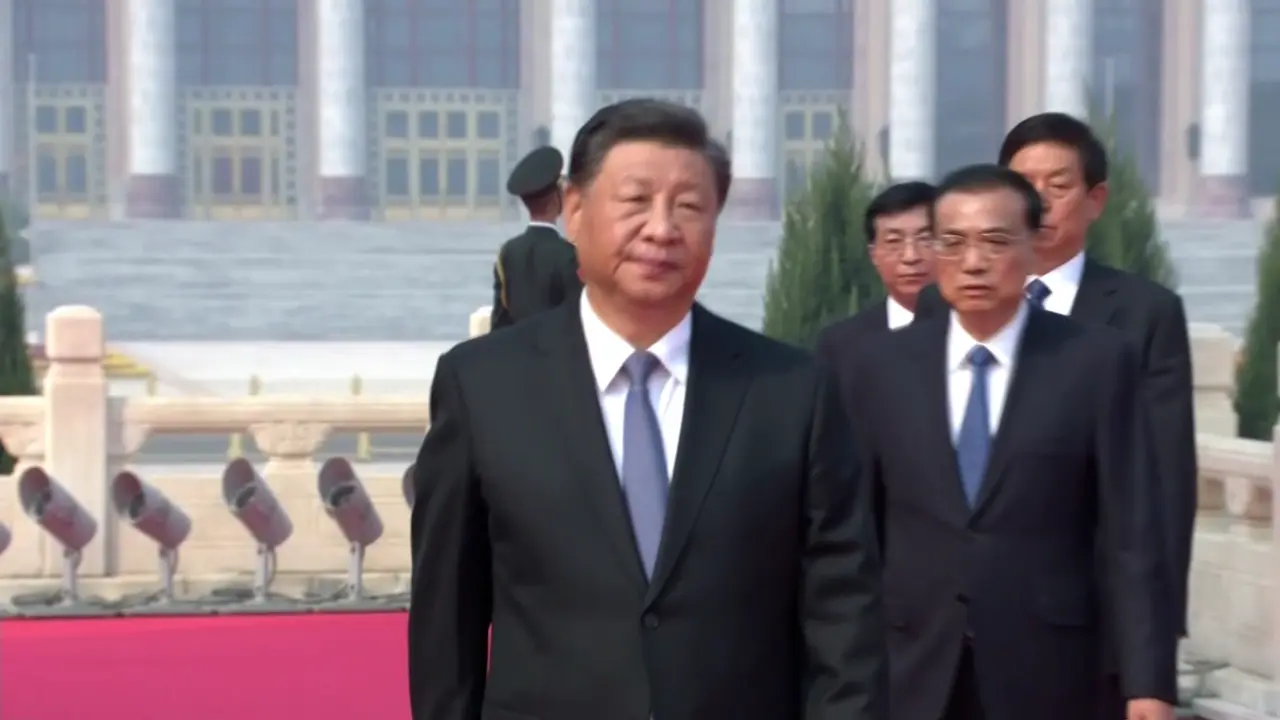
The Importance of Asia
Asia is the largest and most populous continent on Earth, home to over 4.7 billion people, which is nearly 60% of the world’s population. The continent plays a critical role in global economics, politics, and cultural exchange. As countries in Asia continue to develop and modernize, their influence on the world stage increases, making it essential to understand the dynamics within this region.
Economic Growth and Development
In recent years, Asia has experienced unprecedented economic growth, with countries like China, India, and Vietnam leading the way. According to the Asian Development Bank (ADB), Asia’s economy is expected to grow by 5.2% in 2023, driven by robust consumer demand and investment. This growth has led to significant improvements in living standards for millions, lifting people out of poverty and creating a burgeoning middle class.
Countries such as Singapore and Japan have become global financial hubs, while others like India are rapidly evolving into technology and service centers. The rise of e-commerce giants like Alibaba and Flipkart further highlights the continent’s embrace of digital transformation, which is reshaping both local and international markets.
Cultural Richness
Asia’s cultural tapestry is incredibly diverse, encompassing a range of languages, religions, and traditions. From the ancient civilizations of Mesopotamia and the Indus Valley to modern metropolises like Tokyo and Delhi, Asia showcases a blend of history and contemporary culture. Festivals, cuisine, and art from this region not only attract tourists but also influence global cultural trends.
Challenges Facing Asia
Despite its rapid growth, Asia faces several challenges, including political tensions, environmental issues, and social inequality. Territorial disputes in regions like the South China Sea and Kashmir continue to strain diplomatic relations between countries. Moreover, rapid urbanization has led to environmental degradation and air quality issues in major cities, prompting governments to seek sustainable and innovative solutions.
Conclusion
The significance of Asia in today’s world cannot be overstated. As a center of economic growth, cultural richness, and geopolitical strategy, understanding the complexities and developments within this continent is crucial. Observers predict that Asia will continue to shape the global landscape in the coming years, driving both opportunities and challenges that will affect the entire planet. For readers, staying informed about Asia’s evolving dynamics is essential in grasping the future direction of global affairs.