Introduction
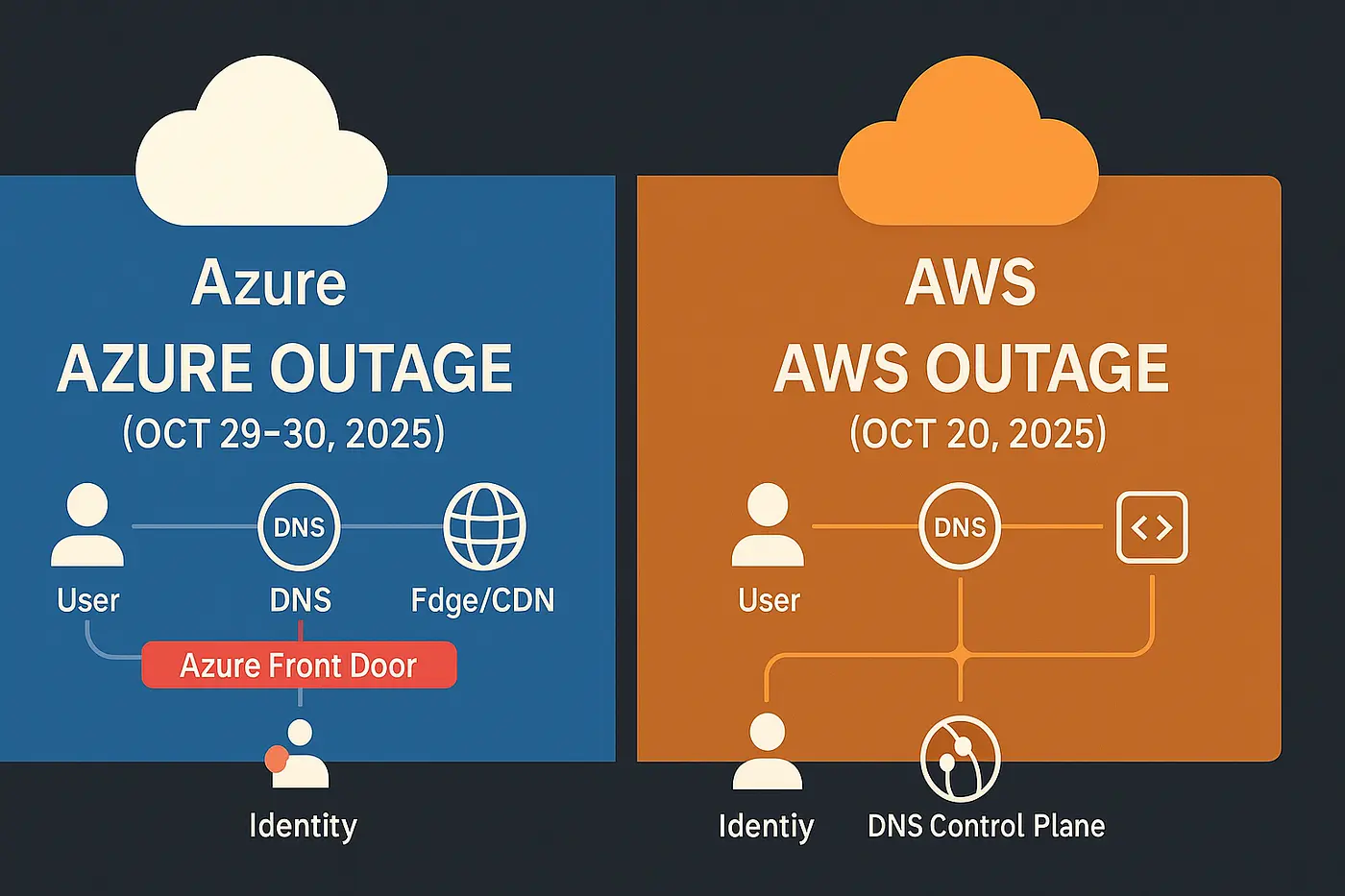
Amazon Web Services (AWS), a leading provider of cloud computing services, recently faced significant disruptions, drawing widespread attention from both businesses and consumers. As one of the largest cloud service platforms, AWS plays a crucial role in hosting applications and services for millions of users across the globe. The recurrence of outages raises questions about reliability, the implications for companies reliant on cloud infrastructure, and the importance of robust contingency planning.
Details of the Outage
On October 11, 2023, users began reporting issues with various AWS services, including Elastic Compute Cloud (EC2), Simple Storage Service (S3), and other critical components. The outages were primarily concentrated in the eastern United States but quickly spread to other regions, causing disruptions to numerous websites and applications, including well-known platforms. Reports indicated that customers experienced degraded performance and, in some cases, complete service unavailability.
Amazon confirmed the outages through their Service Health Dashboard, attributing the disruption to significant network issues that affected traffic routes leading to data centers. In their updates, AWS assured users that efforts were underway to mitigate the impact and restore services. The company has a history of swift responses to outages, often releasing incident reports outlining the causes and corrective measures taken.
Repercussions for Businesses
The implications of such outages can be severe for businesses that rely heavily on cloud computing as their primary means of operation. E-commerce platforms, streaming services, and enterprise applications were notably impacted, leading to loss of revenue and customer trust. Industry experts suggest that businesses must prepare for such eventualities by diversifying their cloud strategies, implementing multi-cloud solutions, and investing in backup systems.
In a survey conducted by Gartner, over 60% of companies indicated they plan to adopt multi-cloud strategies in response to a growing awareness of risk management in cloud outages. This trend shows a shift towards more resilient architectures aimed at minimizing downtime and ensuring business continuity.
Conclusion
The recent AWS outage highlights the ongoing challenges faced by cloud service providers and their users. As reliance on digital infrastructure increases, understanding the risks and preparing for potential disruptions becomes paramount. Experts predict that as companies implement more resilient cloud strategies, AWS and its competitors will likely invest more in technologies to enhance reliability and reduce downtime. This situation serves as a crucial reminder for businesses and consumers alike about the importance of having a robust emergency plan and diversified technological resources.