Introduction
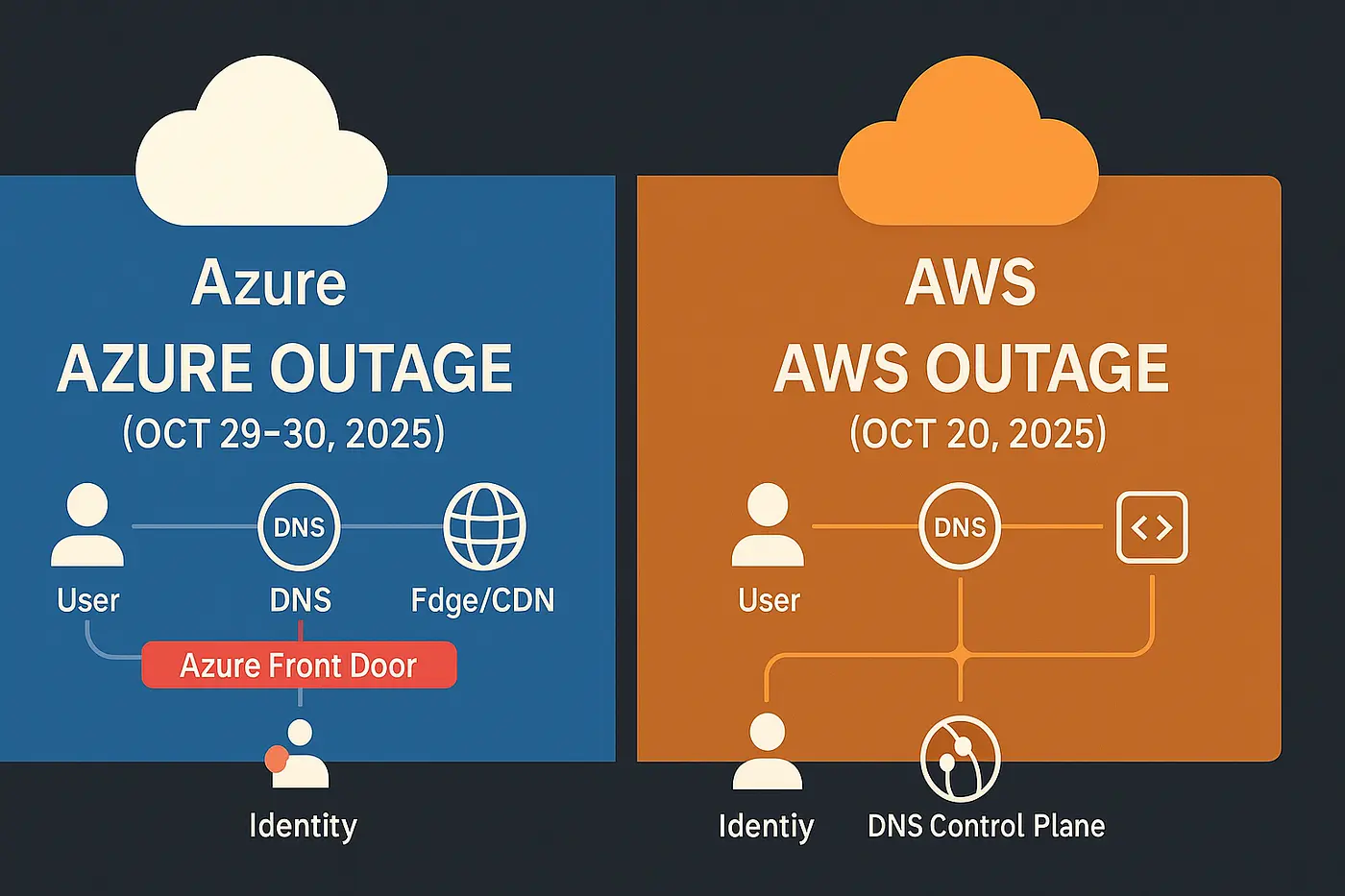
On October 9, 2023, Microsoft experienced a significant Azure outage that affected thousands of users and businesses across the globe. Azure, Microsoft’s cloud computing service, powers a wide range of critical applications and services for companies of all sizes. This outage not only disrupted services but also raised concerns about the reliability of cloud infrastructures, which have become integral to modern business operations.
The Details of the Outage
The Azure outage began early in the morning, with reports of service disruptions across regions including North America and Europe. Microsoft confirmed through its Azure status page that users were experiencing issues with various services, including virtual machines, databases, and web apps. The company stated that the root cause was linked to a failed network configuration change that impacted the connectivity of Azure resources.
Throughout the day, Microsoft worked diligently to resolve the issues and restore services. By mid-afternoon, company representatives announced that most services were back online, although some areas continued to experience intermittent issues. The Azure support team addressed the situation with updates every hour, keeping users informed about progress.
Impact on Businesses
The outage had immediate effects on both small and large enterprises relying heavily on Azure for operations. Many businesses found their websites down, applications inaccessible, and data unavailable during the downtime. Companies that depend on consistent cloud service for customer interactions, such as e-commerce platforms and SaaS applications, reported significant revenue impacts due to the outage.
In response to the outage, numerous organizations expressed concern over their reliance on a single cloud provider and the necessity of diversifying their cloud strategies. This event serves as a reminder for businesses to evaluate their disaster recovery plans and consider multi-cloud environments to mitigate future risks.
Conclusion
The Azure outage of October 2023 serves as a crucial reminder of the vulnerabilities inherent in even the most robust cloud service providers. As cloud dependency grows, so too will expectations for uptime and reliability. Moving forward, businesses must assess their strategies concerning cloud service providers, keeping in mind that while outages can happen, being prepared can significantly minimize disruption. As technology continues to evolve, the importance of flexible and resilient cloud architectures is ever more apparent.