Ben Gvir expands firearm eligibility for Jerusalem residents
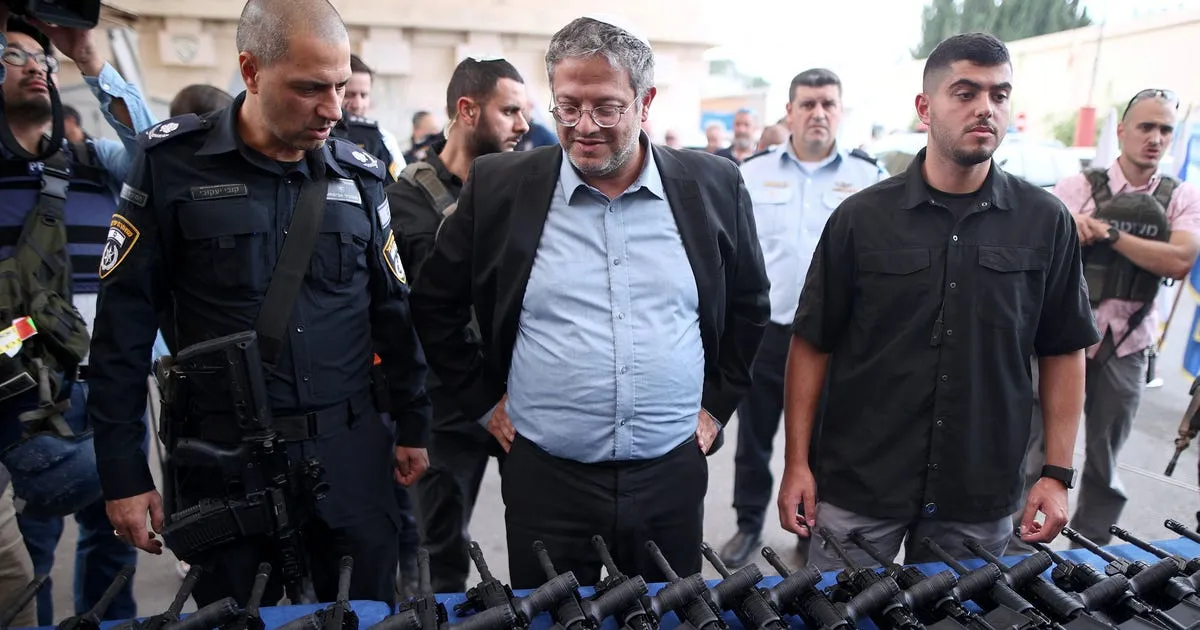
In a significant policy shift, Itamar Ben-Gvir, the Israeli Minister of National Security, announced on March 10, 2026, that all Jewish residents of Jerusalem are now eligible for firearm licenses based on their place of residence. This decision marks a departure from previous regulations, which restricted eligibility to residents of neighborhoods adjacent to the West Bank.
The new policy will add approximately 300,000 residents from 41 neighborhoods in Jerusalem to the list of those eligible for gun permits. This expansion is intended to enhance the security of the city’s Jewish population amid ongoing wartime conditions, as articulated by Ben-Gvir.
Supporters of the policy argue that arming more residents will serve as a deterrent against potential threats and enable faster responses to emergencies. They believe that increased access to firearms can bolster the safety of communities during times of heightened tension.
However, the decision has drawn criticism from various quarters. Opponents warn of potential oversight gaps and the increased risks of accidental harm that may arise from a larger number of civilians carrying firearms. Critics emphasize the need for stringent regulations and training to mitigate these risks, suggesting that the current policy may exacerbate existing safety concerns.
Ben-Gvir’s initiative also includes measures to speed up the approval process for trained applicants, further expanding the pool of individuals who can apply for gun permits. This change reflects a broader tightening of Israel’s security policy, particularly in light of ongoing conflicts and security challenges faced by the nation.
Eran Nahon, a known figure in Israeli security circles, has previously collaborated with Ben-Gvir on initiatives aimed at toughening conditions for Palestinian security prisoners. His involvement highlights the administration’s focus on stringent security measures during a time of unrest.
The expansion of gun permits in Jerusalem is seen as part of a larger trend within Israel to enhance civilian security measures. As the situation evolves, the implications of this policy change will be closely monitored by both supporters and critics alike.
Details remain unconfirmed regarding the specific measures that will accompany this policy shift, including the extent of training required for new applicants and the mechanisms for oversight. As reactions continue to unfold, the debate surrounding civilian firearm access in Israel is likely to intensify.