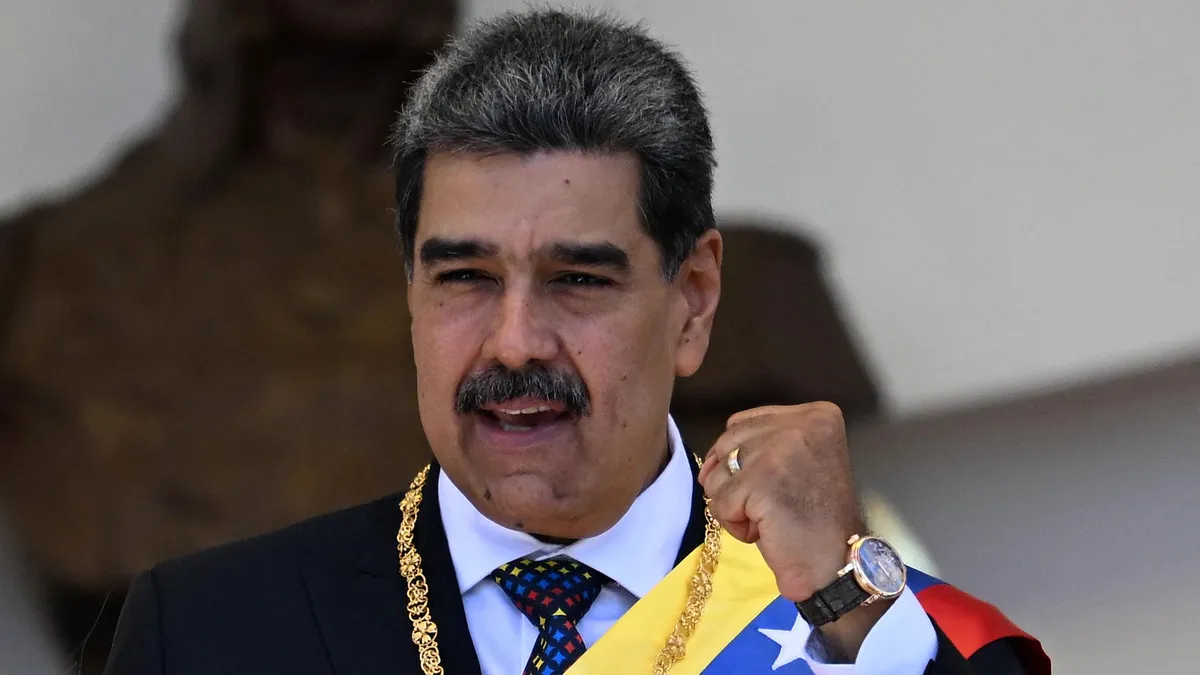
The arrest of Nicolás Maduro on January 3, 2023, has led to a historic turnaround in US-Venezuela relations, significantly impacting the political landscape in Venezuela. Following his seizure by US forces, sanctions on the Venezuelan oil and mining sectors were lifted, marking a pivotal shift in international engagement with the country.
Despite this change, the Venezuelan government continues to exert control over public sentiment. Reports indicate that public employees have been mandated to attend government rallies, with threats of punishment for non-compliance. This coercive tactic raises questions about the authenticity of the support for the Maduro regime.
In the wake of Maduro’s arrest, a campaign has emerged featuring the hashtag “We want them back” on billboards across the country, reflecting a complex mix of hope and frustration among young Venezuelans regarding their future. Alí Rodríguez, a prominent figure, stated, “We have a constitutional president until his term expires who right now is a victim, a prisoner of war Venezuela didn’t start, our priority is to recover him.”
However, the political machinery surrounding Maduro continues to function, with organized rallies and propaganda efforts still in place. The government has also maintained a narrative portraying Edmundo González as a criminal, evidenced by official “wanted” posters.
As of now, the long-term impact of Maduro’s arrest on Venezuela’s political landscape remains unclear. Additionally, the extent of genuine public support for Maduro versus coerced participation at rallies is uncertain. Young workers express skepticism, with one stating, “It’s false. It’s all a lie.”
In the broader context, Venezuela has been grappling with one of the most severe economic collapses in modern Latin American history, which adds layers of complexity to the current political dynamics.
Details remain unconfirmed regarding the full ramifications of these developments, leaving many to speculate on the future of Venezuela under these new circumstances.