Introduction
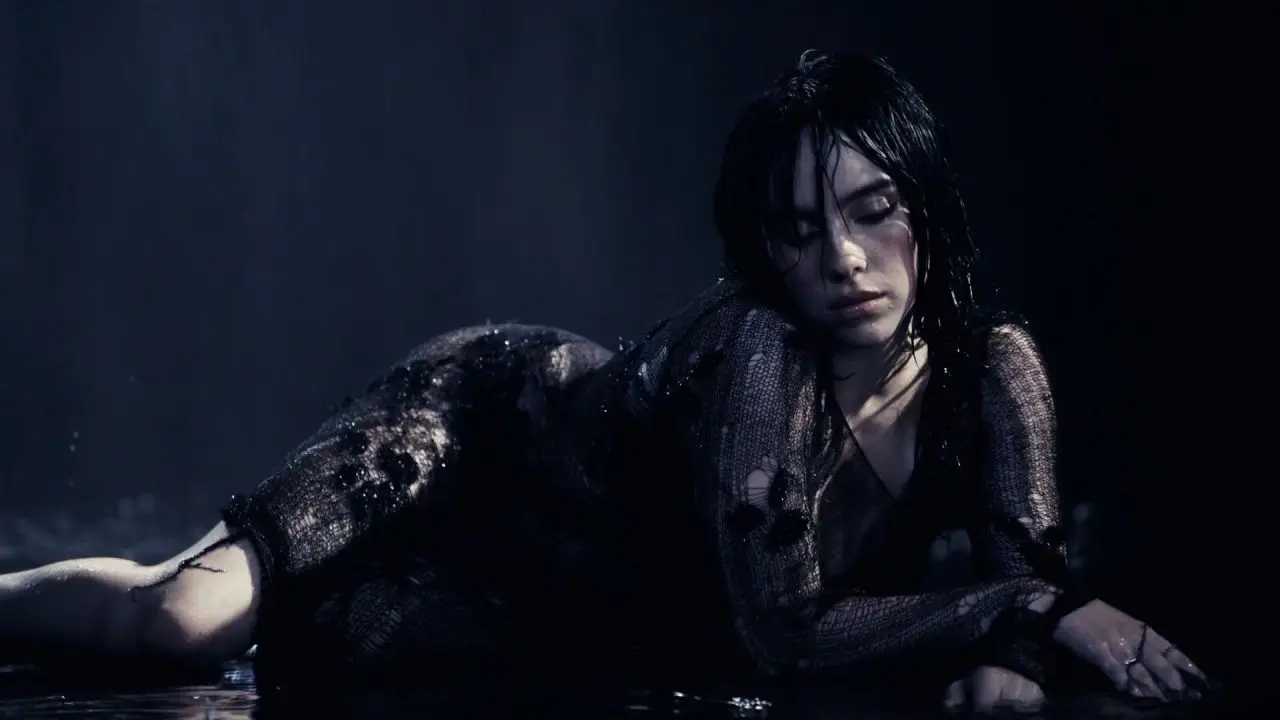
The topic of land acknowledgment and Indigenous rights is currently prominent in society, particularly as global conversations about racial justice and equity gain momentum. The controversy surrounding Billie Eilish’s connection to the phrase ‘stolen land’ has sparked significant discussions about cultural awareness and responsibility in the entertainment industry. Understanding the implications of her statements and the larger context offers insights into the ongoing struggle for Indigenous rights in the United States.
The Statement and Its Impact
Recently, Billie Eilish made a statement during one of her concerts where she acknowledged the land on which she performed in front of thousands of fans. She spoke about the importance of recognizing that the land is traditionally the home of Indigenous peoples and referred to it as ‘stolen land.’ This acknowledgment, though well-intentioned, sparked mixed reactions across social media platforms.
Supporters argue that Eilish’s statement shines a light on the historical injustices faced by Indigenous communities and prompts fans to think critically about land ownership and reparations. Critics, however, assert that as a non-Indigenous person, her statement could be seen as performative without substantive follow-up actions or support for Indigenous-led movements.
Public Response
The public’s response to the controversy has been polarized. Some fans praised Eilish for using her platform to bring awareness to a critical issue, which many feel is often overlooked in mainstream discussions. Indigenous rights activists applauded her acknowledgment and called for more prominent figures to follow suit, showing support through action and advocacy.
Conversely, skepticism emerged regarding the effectiveness of celebrities making such statements without promoting concrete changes in policy or community support. Critics emphasized that while acknowledgment is a significant first step, it must be paired with sustained commitment to Indigenous causes to hold any real value.
The Bigger Picture
This incident with Billie Eilish serves as a microcosm of a larger movement. Across the globe, there is an increasing push for society to confront its colonial history and prioritize the voices and rights of Indigenous populations. As discussions about racial and social justice evolve, the balance between speaking out and taking action remains a critical reflection point for public figures.
Conclusion
The Billie Eilish stolen land controversy underscores the importance of land acknowledgment and the broader implications for Indigenous rights. While such statements can contribute to awareness and education, the real challenge lies in translating that awareness into meaningful changes. As the dialogue continues, it is essential for both individuals and artists to engage with these issues authentically and thoughtfully, ensuring that their recognition of Indigenous rights leads to lasting impact.