Introduction
In recent years, school cancellations have become a significant topic of concern for educators, parents, and students alike. Various factors, including extreme weather events, public health crises, and safety threats, have led to widespread school shutdowns. As schools adapt to these challenges, understanding the implications of these cancellations is crucial for communities across the nation.
Recent Events Prompting School Cancellations
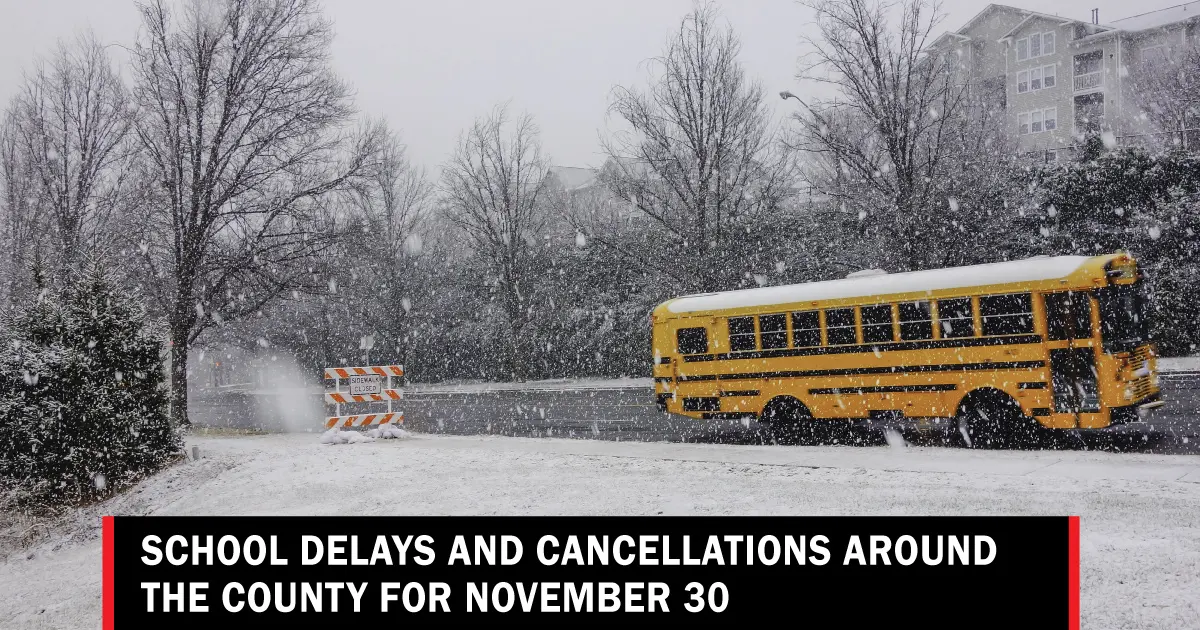
In October 2023, a series of unseasonably severe winter storms swept through several states in the Midwest and Northeast regions of the United States. These storms brought heavy snow and ice, resulting in hazardous travel conditions and power outages. In response, school districts in affected areas like Michigan, New York, and Pennsylvania made the decision to cancel classes, prioritizing the safety of students and staff. According to reports from the National Weather Service, some areas received over a foot of snow, creating significant disruptions to daily life and education.
Public Health Concerns
Besides weather-related cancellations, the ongoing issues surrounding public health also play a crucial role. The COVID-19 pandemic continues to influence school operations, as districts monitor infection rates and health guidelines issued by the Centers for Disease Control and Prevention (CDC). Recently, some regions have opted for remote learning days in response to a surge in respiratory illnesses, illustrating how health concerns can lead to temporary school closures even outside of extreme weather conditions.
Long-Term Impacts of School Cancellations
While the immediate response of canceling school may seem appropriate for ensuring the safety of students, the long-term effects are more complex. Frequent school cancellations can lead to learning losses, particularly among students from disadvantaged backgrounds who may struggle with access to resources for remote education. According to the National Assessment of Educational Progress (NAEP), students who experience prolonged interruptions in their education are at higher risk of falling behind their peers.
Community Response and Adaptation
In response to these challenges, many school districts are implementing strategies to mitigate disruptions. Some schools have adopted flexible scheduling, allowing for remote learning options during inclement weather, while others are offering additional resources to help students catch up on lost instruction time. Community partnerships are also emerging, with local organizations assisting families in need of academic support and resources during cancellations.
Conclusion
As school cancellations become an increasingly common response to various factors, it is essential for communities to remain adaptable and proactive. By understanding the causes and impacts of these interruptions, stakeholders can work together to develop solutions that support students’ education while prioritizing their safety. Moving forward, the effectiveness of these strategies will be crucial in ensuring that the academic future of countless students remains bright, despite ongoing challenges.