Red Sox Draft Strategy Emphasizes Pitching
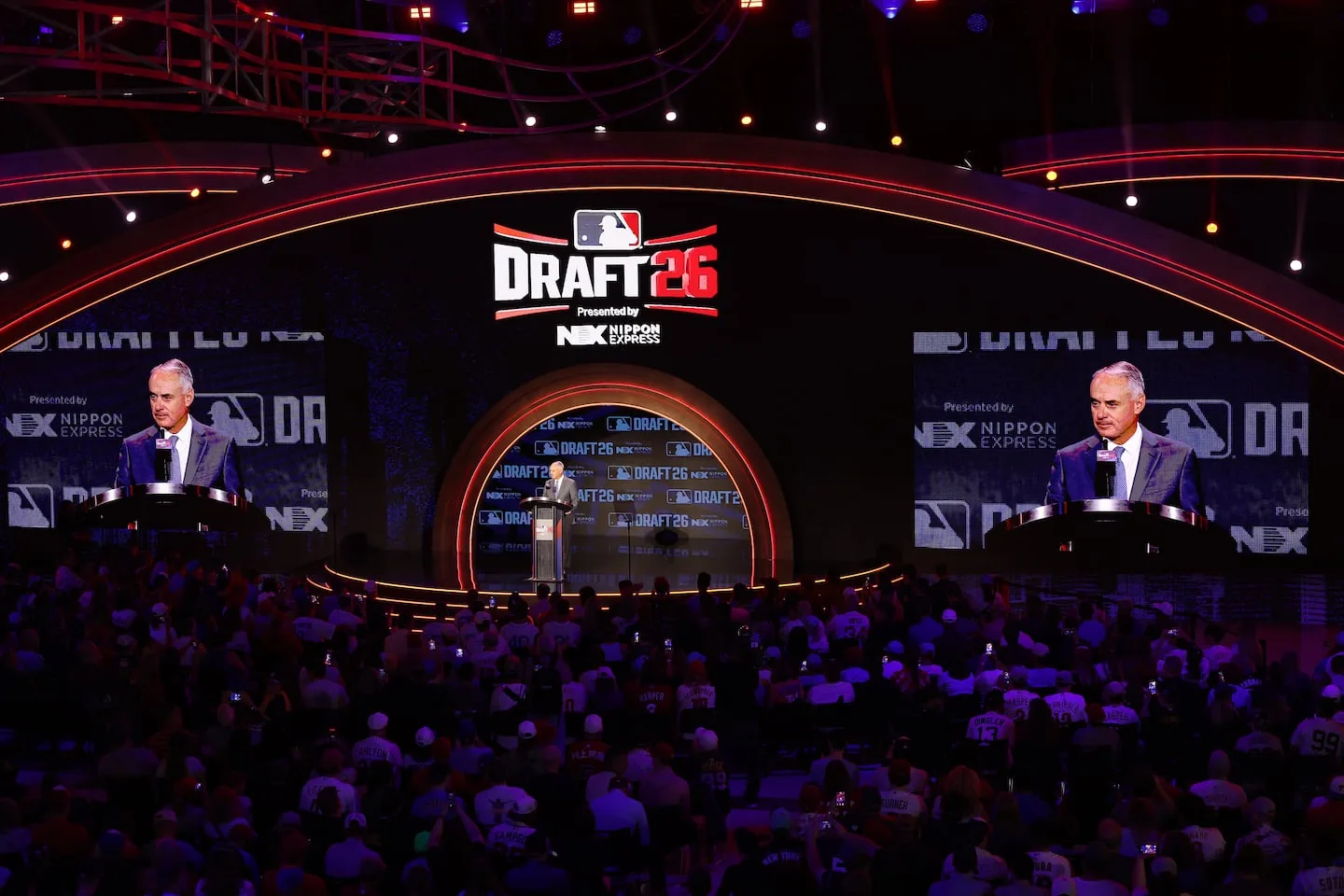
The Boston Red Sox concluded their 2026 MLB Draft class, making selections across 20 rounds. Following an initial focus on position players during the first day, the team shifted its strategy to prioritize pitching, particularly on the second day of the draft. Out of 16 selections, 11 picks were dedicated to pitchers, including four consecutive college arms chosen in rounds five through eight.
This draft marked the first under the direction of Jake Bruml, the Red Sox’s director of amateur scouting. Bruml, who previously served as a key assistant in the draft room for six years, indicated a strategic approach to securing college talent. He noted that the best college players often become available in the fifth, sixth, and seventh rounds, a window the team aimed to capitalize on.
The Red Sox also utilized additional bonus pool money, which became available after the first-round selection of North Carolina shortstop Jake Schaffner, who is expected to sign for a bonus below the MLB slot recommendation. These funds allowed the team to draft two high-upside high school players: outfielder Martin Shelar from Georgia in the ninth round and right-handed pitcher Kaleb LaFavor from Iowa in the tenth round.
Key Pitching and Hitting Prospects
Among the pitching selections, Lucas Davenport, a right-handed pitcher from Baylor, was chosen in the fifth round. Davenport, who stands 6-foot-6-inches and weighs 230 pounds, is noted for his delivery extension and a fastball that reaches 94-96 miles per hour. Davenport expressed enthusiasm for joining the Red Sox, citing the organization as a suitable environment for his development.
The sixth-round pick was Brett Lanman, a right-handed pitcher from Abilene Christian. Lanman, at 6-foot-5 and 228 pounds, maintained a consistent presence throughout his collegiate career, not missing a single start over three seasons. His former coach, Rick McCarty, described Lanman as a durable strike-thrower whose fastball can reach the mid-90s without maximum effort. McCarty drew parallels between Lanman and Payton Tolle, another Red Sox pitching development success story, suggesting Lanman has the potential for a rapid ascent within the organization.
On the hitting side, Martin Shelar, selected at pick No. 274, is a power-hitting outfielder who was committed to Mississippi State. Shelar, ranked by many scouting services between No. 100 and No. 175, demonstrated significant power with 19 home runs in 33 games, the highest among high schoolers. He also hit a 470-foot home run during the MLB Combine’s on-field workouts. His coach at Marist School in Atlanta, Mike Strickland, highlighted Shelar’s work ethic as his primary tool, noting his dedication to improvement over 30 years in baseball.
High School Talent and Future Expectations
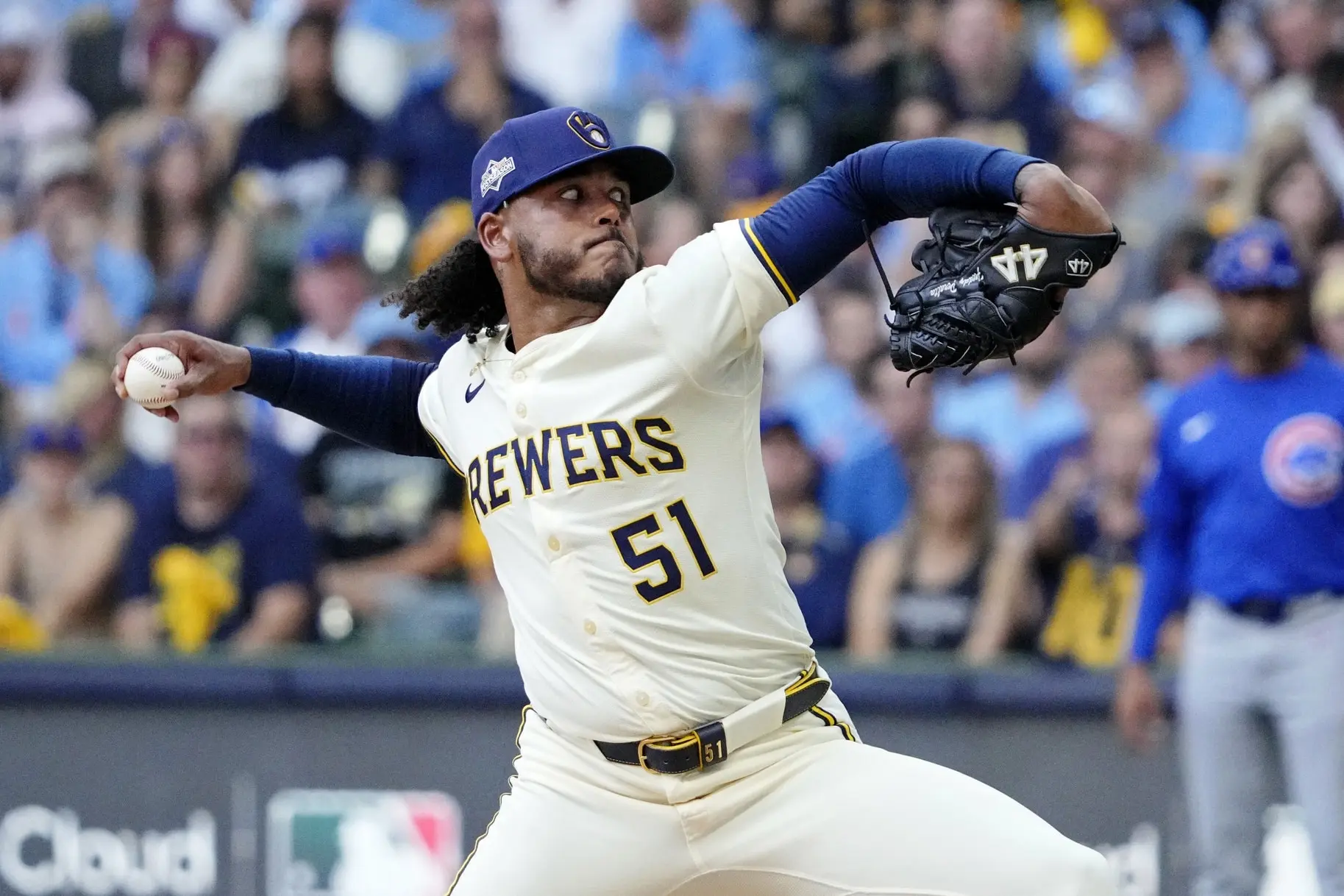
The Red Sox also invested in Kaleb LaFavor, a right-handed pitcher from Bishop Heelan High School in Sioux City, Iowa. LaFavor, who is 6-foot-6 and 180 pounds, has already achieved fastball speeds of 95 miles per hour. Bruml projected LaFavor’s potential, drawing a comparison to Brewers All-Star Jacob Misiorowski, anticipating significant development as LaFavor gains strength and refines his mechanics within the Red Sox system.
Bruml expressed confidence that the Red Sox anticipate signing all of their first 10 selections, pending physical examinations. The team’s strategy reflects a blend of securing established college talent and investing in high-upside high school prospects with significant development potential.
The MLB Draft, now consisting of 20 rounds, often involves a delay before players reach the highest level, as they typically progress through the minor leagues. The Red Sox’s selections represent the initial step for these players in their professional baseball careers.
Read Also
Source: bostonglobe.com