Introduction
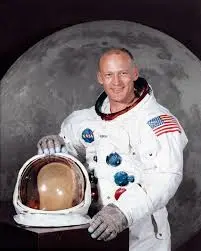
Buzz Aldrin, one of NASA’s most celebrated astronauts, made history as the second person to set foot on the moon during the Apollo 11 mission in 1969. His contributions to space exploration extend beyond his lunar walk, influencing generations of scientists and space enthusiasts. Understanding Aldrin’s life and legacy provides insights into the evolution of space exploration and the ongoing quest for knowledge beyond our planet.
Apollo 11 and Historic Moon Landing
On July 20, 1969, Aldrin, along with astronaut Neil Armstrong, landed on the moon’s surface as part of the Apollo 11 mission. Armstrong famously took the first step onto the lunar terrain, but it was Aldrin who followed shortly after, documenting the experience in photographs and scientific analysis. Their successful mission marked a monumental achievement in human history, demonstrating the possibilities of human spaceflight and technological advancement. As they explored the moon’s surface, Aldrin took part in various experiments, contributing to our understanding of lunar geology.
Post-Apollo Endeavors
After his historic journey, Aldrin focused on advocating for space exploration. He wrote several books chronicling his experiences, including “Return to Earth” and “Magnificent Desolation,” discussing the challenges he faced following his return to normal life. Aldrin has also remained actively involved in the advocacy for future space missions, including efforts towards manned missions to Mars. His vision is that humanity should continue to push the boundaries of exploration and establish a human presence beyond Earth.
Legacy and Impact
Buzz Aldrin’s impact reaches far beyond his lunar footprints. He has served as a consultant for various space initiatives and played a pivotal role in promoting educational programs focused on science, technology, engineering, and mathematics (STEM). Aldrin’s legacy is a testament to the enduring spirit of exploration and curiosity that drives space endeavors. His initiatives, including the “Buzz Aldrin Space Institute,” aim to inspire future generations to pursue careers in aerospace and related fields.
Conclusion
Buzz Aldrin remains a beacon of inspiration in the field of space exploration. As humankind stands on the brink of deeper cosmic exploration, his contributions highlight the importance of perseverance and innovation in achieving extraordinary goals. With ongoing discussions about missions to Mars and beyond, Aldrin’s vision for the future serves not only as a reminder of our past achievements but also as motivation for the next generation of explorers. As we continue our journey into the cosmos, the significance of figures like Aldrin remains paramount, urging us to dream big and venture beyond the stars.