Introduction
The U.S. Department of Homeland Security (DHS) Employment Authorization is a crucial topic for many individuals seeking to work legally in the United States. This process enables non-citizens, including undocumented immigrants, refugees, and those with temporary protective status, to gain the necessary permission to work. In a changing immigration landscape, understanding the nuances of employment authorization is vital for both workers and employers.
What is DHS Employment Authorization?
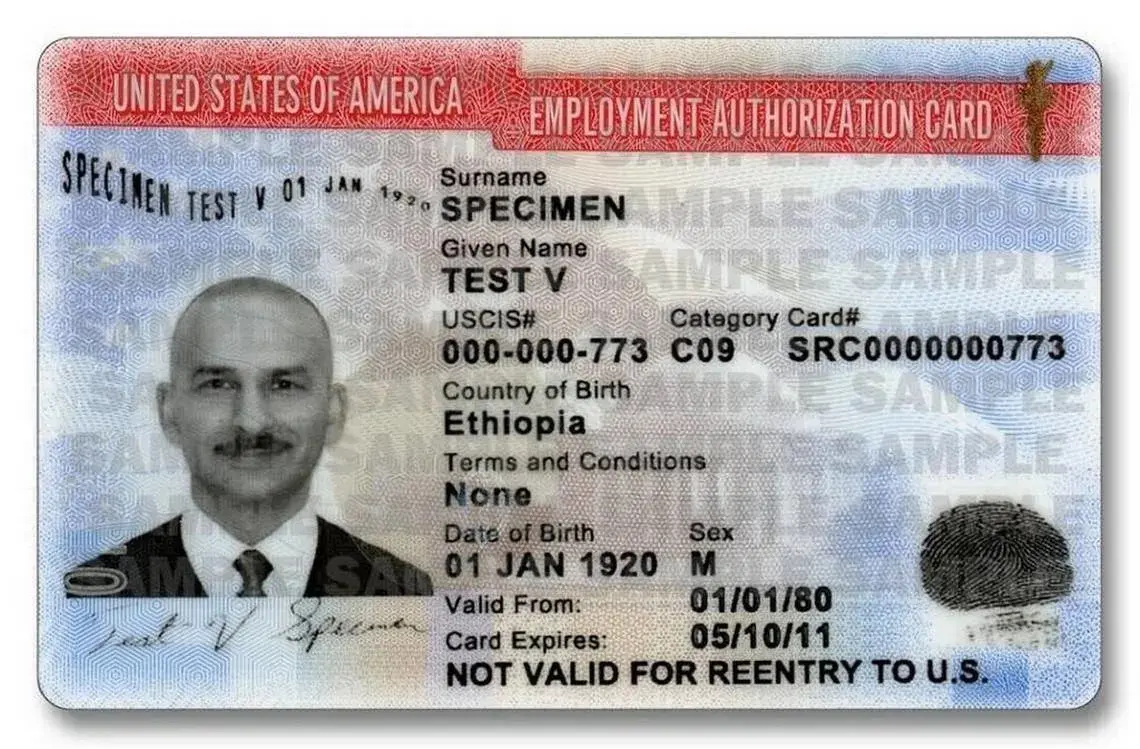
DHS Employment Authorization allows eligible non-citizens to work in the U.S. legally. It involves obtaining an Employment Authorization Document (EAD), which signifies the holder’s right to work. The EAD is typically valid for one or two years, but it can be renewed as long as the individual continues to meet the underlying eligibility criteria.
Eligibility Criteria
Different categories of individuals may apply for DHS Employment Authorization, including:
- Individuals with Temporary Protected Status (TPS)
- Asylum seekers and refugees
- Certain student visa holders (F-1 or J-1) who have work authorization
- Adjustment of status applicants
Each category has specific guidelines, and it is essential for applicants to review their eligibility carefully before applying.
Recent Developments
In recent months, the DHS has made significant updates to its employment authorization policies. As of early 2023, the agency introduced more streamlined application processes to reduce processing times for EAD renewals. Reports indicate that the average processing time, which had previously stretched to six months or more, has been cut down to four months, benefiting many job seekers waiting to re-enter the workforce.
Additionally, the DHS has focused on increasing outreach and education efforts to inform eligible individuals about their rights and the application process. This has included partnerships with non-profit organizations that provide resources for immigrants and non-citizens.
Conclusion
The DHS Employment Authorization process remains a pivotal element for countless individuals striving to contribute to the workforce in the United States. With recent updates aimed at efficiency and accessibility, more eligible workers may secure their EADs and participate legally in job markets. As regulations continue to evolve, it is crucial for prospective applicants to stay informed, ensuring they take advantage of available resources and support.
Understanding the implications of DHS Employment Authorization not only equips individuals with the knowledge they need but also fosters a more inclusive work environment, ultimately benefiting the U.S. economy as a whole.