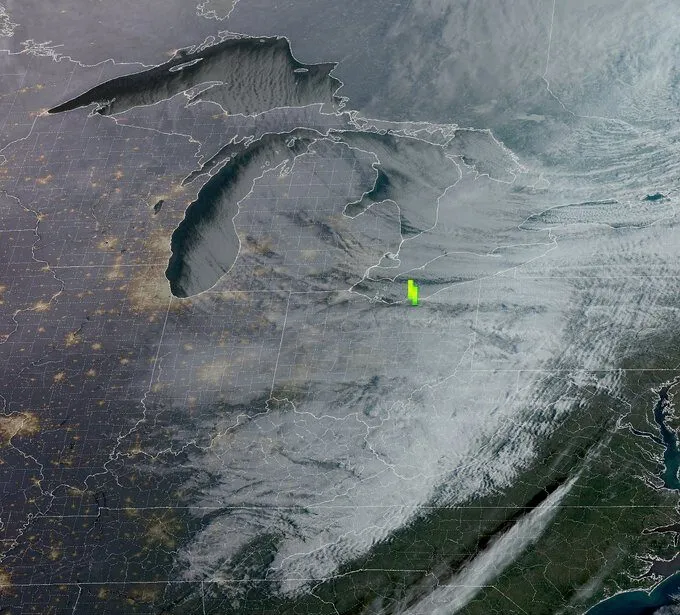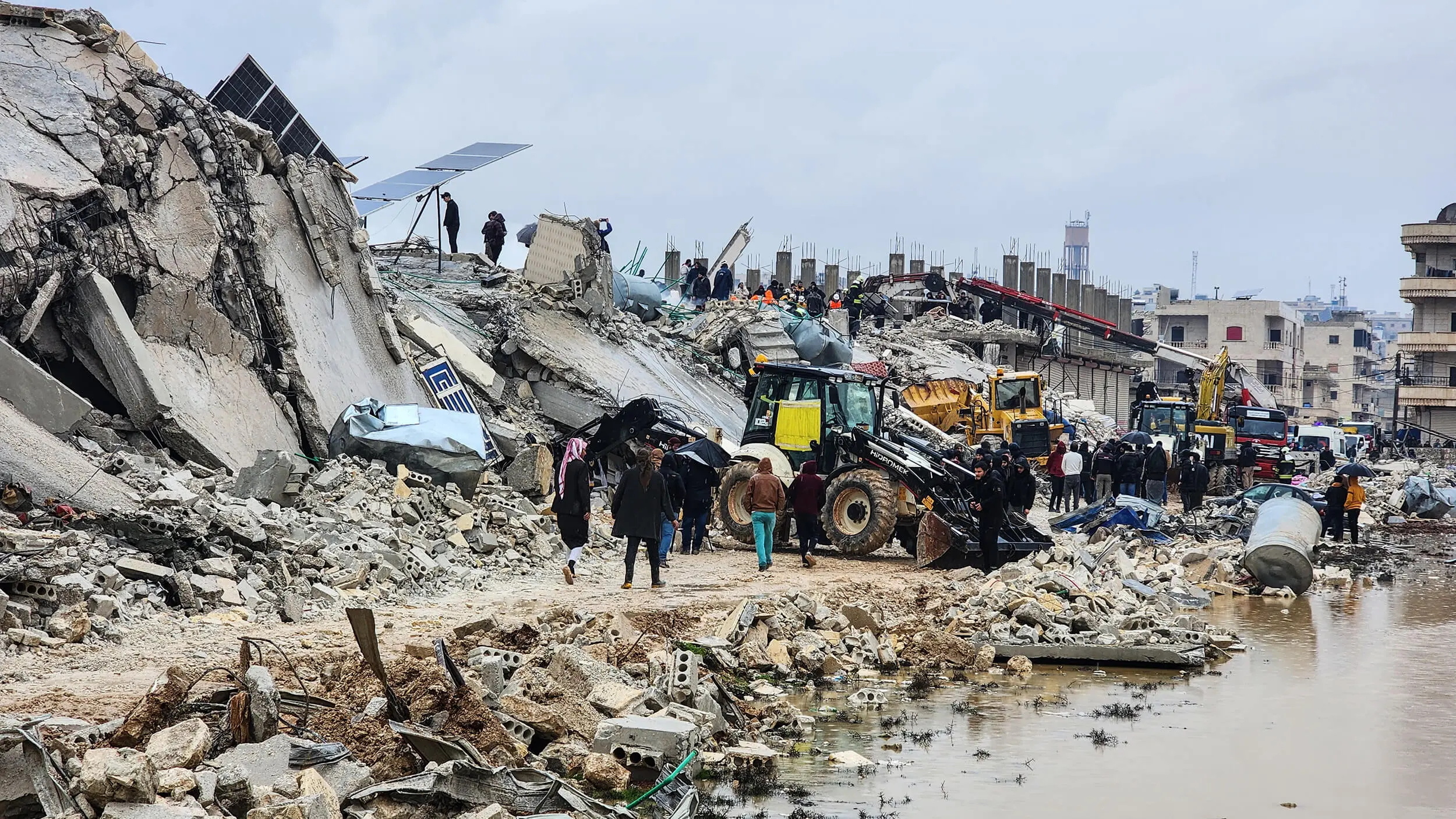
Recent developments in climate change have underscored the urgency of addressing this global crisis. Notably, the years 2015 to 2025 have been recorded as the hottest 11 years, with 2025 being the second or third hottest year at approximately 1.43 °C above the 1850-1900 average.
The immediate circumstances surrounding these findings are alarming. The ocean has absorbed carbon dioxide equivalent to about eighteen times the annual human energy use each year for the past two decades. Additionally, annual sea ice extent in the Arctic has reached or neared record lows, while Antarctic sea ice extent was recorded as the third lowest.
In a broader context, the Pacific Northwest is projected to warm by 2 °C to 5 °C by 2050 compared to pre-2000 temperatures. This winter has already been one of the warmest on record across the West, leading to increased avalanche risk due to higher temperatures creating more rain-on-snow days and avalanche-prone ice layers.
Amid these concerning trends, innovative solutions are emerging. A recent study published on March 18, 2026, highlights the role of beavers in carbon capture. Beavers can offset between 1.2% and 1.8% of Switzerland’s annual carbon emissions through their wetland activities. Joshua Larsen, a researcher involved in the study, stated, “Our findings show that beavers don’t just change landscapes: they fundamentally shift how carbon dioxide moves through them.”
Lukas Hallberg, another researcher, added, “So instead of carbon going into the atmosphere, it gets locked away in soils, sediments, or vegetation.” This highlights the potential for natural solutions to mitigate some impacts of climate change.
As communities grapple with these changes, experts are calling for increased awareness and preparedness. Clinton Alden remarked, “This winter’s warmth is a harbinger,” indicating that the current conditions may signal more severe weather patterns in the future.
Moreover, John Stimberis emphasized the need for information on avalanche risks, stating, “They want to know when to expect the onset of avalanches and when to expect the return to stability.” This reflects the growing concern among communities affected by climate change.
Details remain unconfirmed regarding the full extent of these changes and their long-term implications, but the evidence continues to mount, urging immediate action and adaptation strategies.