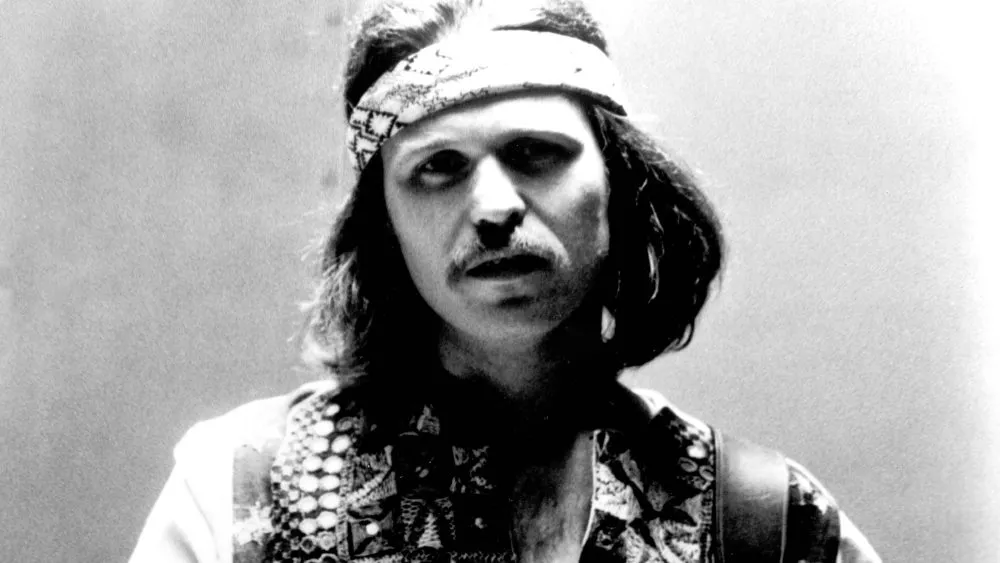
Country Joe McDonald, a Voice of the 1960s Antiwar Movement, Passes Away
Country Joe McDonald became an emblem of the 1960s antiwar counterculture through his music and performances. Born Joseph Allen McDonald on January 1, 1942, in Washington, D.C., he co-founded the band Country Joe and the Fish in 1965, which played a significant role in the folk rock movement of that era. McDonald was known for blending folk, rock, and political commentary in his music, with his best-known song being “I-Feel-Like-I’m-Fixin’-to-Die Rag,” a poignant protest against the Vietnam War.
On March 7, 2026, McDonald passed away at the age of 84 due to complications from Parkinson’s disease. His death marks the end of an era for many who grew up listening to his music during a time of social upheaval and change. McDonald’s contributions to music and activism were deeply intertwined, as he used his platform to advocate for various causes, including saving the whales and supporting Vietnam War veterans.
McDonald performed at the iconic Woodstock Festival in 1969, an event that solidified his status as a cultural figure. Reflecting on Woodstock, he once said, “I always say that Woodstock was like a family picnic; it was fun.” His performances were characterized by a sense of community and shared purpose, resonating with audiences who were seeking change during a tumultuous period in American history.
Raised in a socialist family, with parents who were members of the Communist Party, McDonald’s political views were shaped early on. He served in the U.S. Navy from 1959 to 1962, an experience that influenced his later music and activism. He often emphasized that the important aspect of his song “Fixin’ to Die Rag” was that it presented a new perspective that did not blame soldiers for the war, stating, “The important thing about the ‘Fixin’ to Die Rag’ was that it had a new point of view that did not blame soldiers for war.”
Throughout his career, McDonald released over 30 albums, showcasing his evolution as an artist while remaining committed to his political beliefs. His music often served as a rallying cry for those opposed to the Vietnam War and other social injustices. He was known for his sharp wit and insightful commentary, with lyrics that challenged the status quo.
McDonald is survived by his wife, Kathy, and five children. His legacy as a musician and activist will continue to inspire future generations. Observers note that his contributions to music and social movements have left an indelible mark on American culture.
As tributes pour in from fans and fellow musicians alike, many reflect on the impact McDonald had on the antiwar movement and the broader cultural landscape of the 1960s. His unique blend of music and activism not only entertained but also educated and mobilized a generation seeking change. Details remain unconfirmed regarding any memorial services or tributes planned in his honor.