Introduction
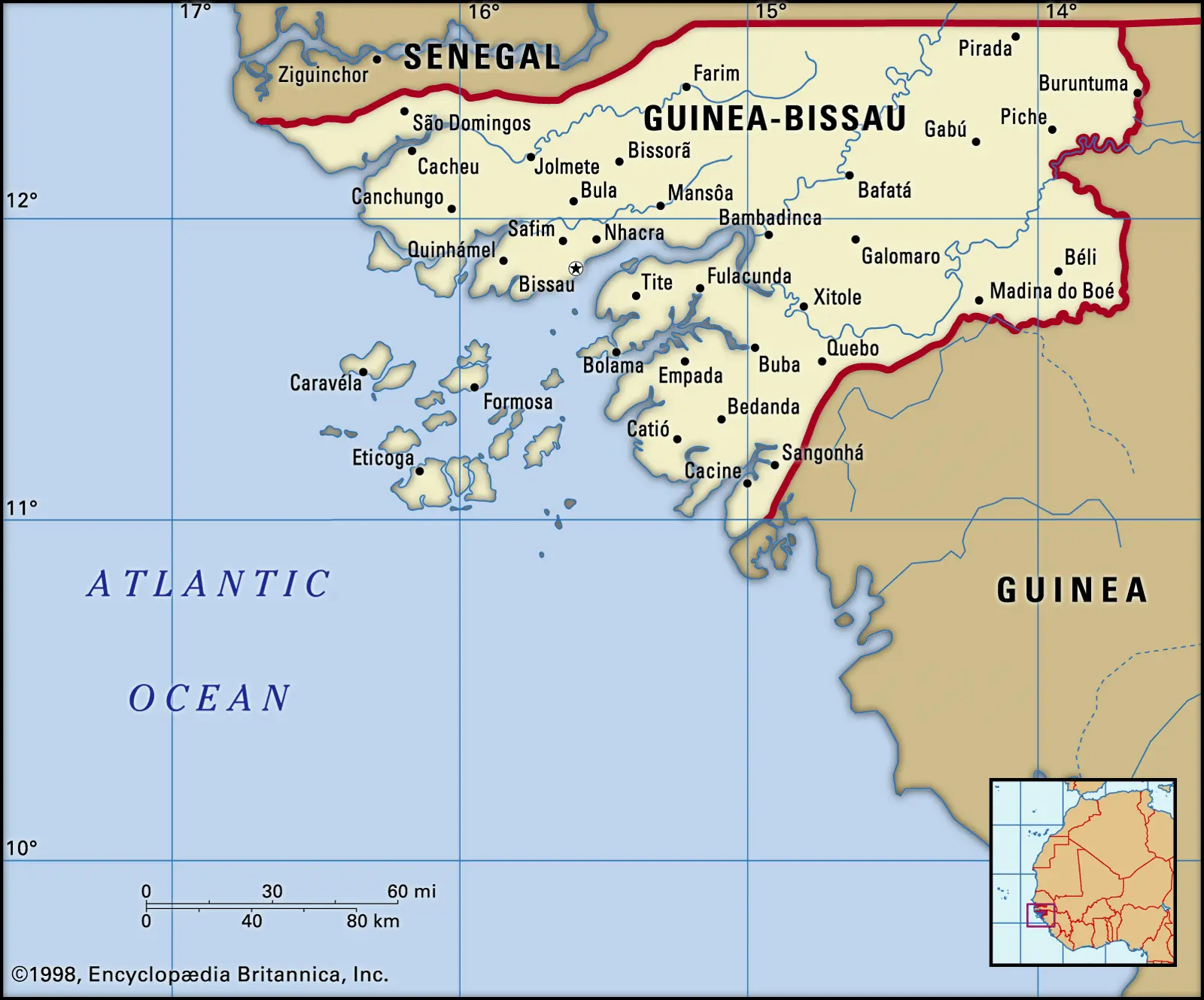
Guinea Bissau, a small West African nation bordered by Senegal and Guinea, has long been a country grappling with political instability, economic challenges, and social issues. With a rich cultural heritage and a diverse population, it plays a significant role in regional affairs, particularly in the context of West Africa’s political landscape. The significance of discussing Guinea Bissau lies not only in its unique challenges but also in its potential for growth and development as emerging trends unfold.
Current Political Landscape
As of October 2023, Guinea Bissau is facing fresh political turbulence following the recent elections held in late 2022. The government has struggled with consolidating power amidst allegations of corruption and ineffective governance. President Umaro Sissoco Embaló, who came to power in 2020, has experienced difficulties in implementing his agenda. The recent military coup attempts and ongoing tensions between various political factions have raised concerns about the stability of the nation.
Economic Challenges
The economy of Guinea Bissau primarily relies on agriculture, particularly cashew nut production, which represents a significant portion of its exports. However, the country faces daunting economic challenges, exacerbated by global inflation and fluctuating commodity prices. The World Bank has emphasized the need for economic diversification and improved governance to alleviate poverty and stimulate growth. Plans for foreign investments in the fishing and agricultural sectors are emerging as potential avenues for economic recovery.
Social Issues
The social fabric of Guinea Bissau is woven with cultural diversity, comprising various ethnic groups. However, the country grapples with challenges such as inadequate healthcare, poor education systems, and high rates of youth unemployment. International organizations have been stepping up efforts to improve the healthcare infrastructure and promote educational initiatives. Non-governmental organizations are actively engaging in community-based programs to create sustainable livelihoods and empower women.
Conclusion
In summary, Guinea Bissau stands at a crossroads. The interplay of political instability, economic challenges, and social issues generates both risks and opportunities for its citizens. The international community, along with local leadership, has a role to play in fostering stability and promoting development. As Guinea Bissau continues to navigate these complexities, its trajectory will be crucial not only for its future but also for regional stability in West Africa. Observers will be closely monitoring whether forthcoming strategies can yield promising outcomes and ultimately improve the lives of its people.