The Importance of Electricity Rates
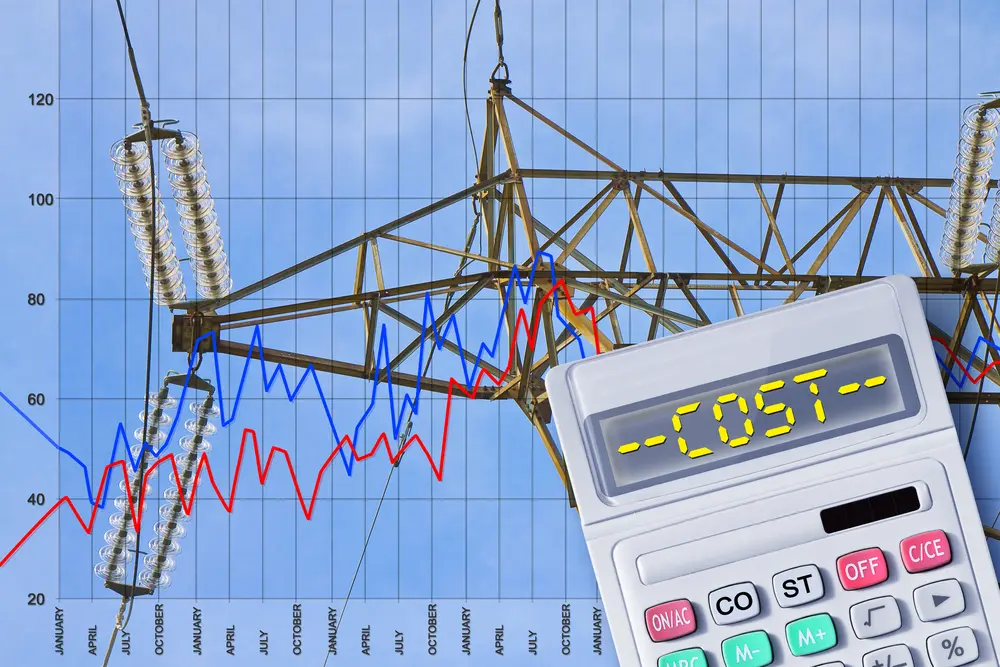
Electricity rates are a crucial aspect of household and business budgets. As energy consumption continues to rise globally, understanding the fluctuations in electricity rates becomes essential for consumers, policy-makers, and businesses alike. With current inflationary pressures and changing energy policies, keeping abreast of electricity costs is vital for informed decision-making.
Current Trends in Electricity Rates
As of late 2023, electricity rates have been affected by several significant factors. According to the U.S. Energy Information Administration (EIA), the average residential electricity rate rose to 14.5 cents per kilowatt-hour, reflecting an increase of approximately 5% from the previous year. This rise can be attributed to various elements such as shifts in fuel prices, supply chain issues, and increased demand during peak times.
Natural gas prices, which have remained volatile, are a significant driver for electricity generation costs. In recent months, a surge in natural gas prices due to geopolitical tensions and supply constraints has contributed to rising electricity rates. Furthermore, as more states adopt renewable energy sources, the transition costs are often passed on to consumers, influencing electricity prices.
Impact of Seasonal Changes and Peak Demand
Seasonal demand also plays an essential role in shaping electricity rates. For example, during the summer months, the increased use of air conditioning drives up electricity consumption significantly. As a result, rates may experience seasonal spikes. Regions that rely heavily on air conditioning witnessed rates jump as much as 20% during peak demand periods this summer.
The Future of Electricity Rates
Looking ahead, analysts predict that electricity rates may continue to rise in the short term due to ongoing global economic conditions and the gradual transition to greener energy sources. The Biden administration’s emphasis on clean energy initiatives and infrastructure improvements may lead to changes in the energy landscape, which could stabilize prices in the long run.
Consumers should stay informed about their electricity provider’s pricing plans and consider reviewing their energy usage habits. Understanding the nuances of electricity rates can help households and businesses save money and contribute to more efficient energy practices.
Conclusion
In conclusion, electricity rates are influenced by a complex mix of fuel prices, seasonal demand, and policy changes. As we move forward into 2024 and beyond, consumers must remain vigilant in monitoring these rates, ensuring they are well-informed to manage their energy costs effectively. By being proactive and adapting to changing energy markets, it is possible to mitigate the impacts of rising electricity rates.