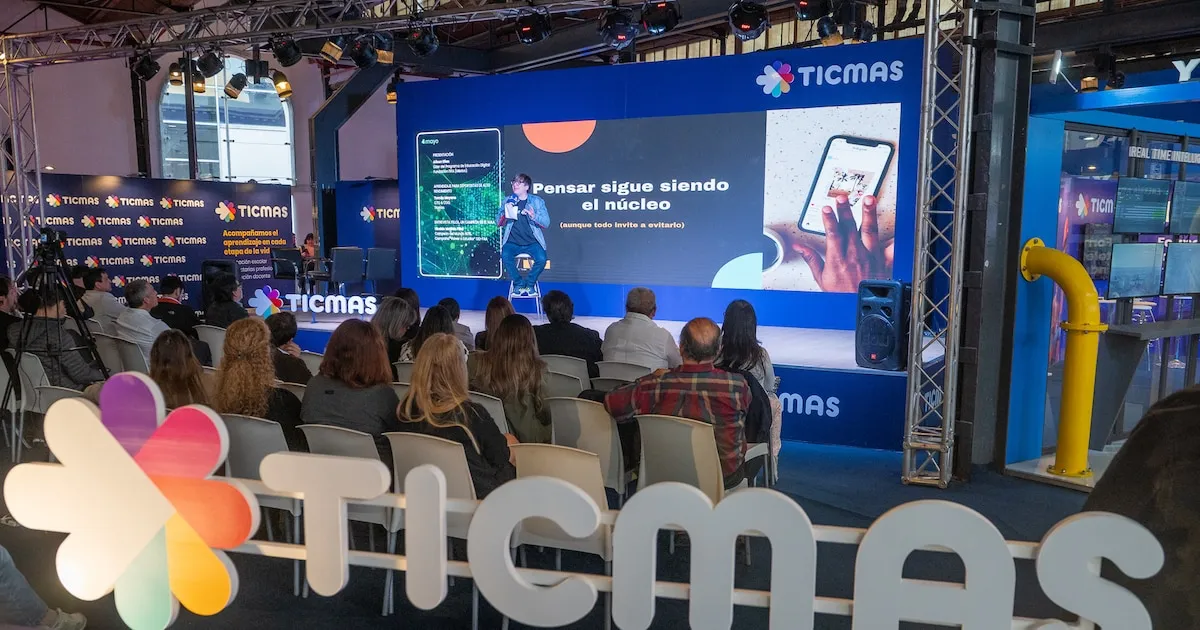
The VII Seminar on Educational Innovation took place at the International Book Fair in Buenos Aires on May 5, 2026. The event gathered educational leaders to address modern educational challenges, particularly the integration of artificial intelligence.
Key topics discussed:
- Artificial intelligence and its role in education.
- Teacher training initiatives to enhance skills.
- The importance of pedagogy when implementing technology.
Before this seminar, expectations regarding educational innovation were largely theoretical. Many educators struggled to integrate new technologies effectively. However, the seminar marked a decisive moment by emphasizing practical applications and collaboration between public and private sectors.
María Victoria Angulo, former Minister of Education of Colombia, highlighted five key debates during her inaugural conference. She posed a critical question: “How do we ensure meaningful educational trajectories for a generation learning with artificial intelligence while not achieving basic learning outcomes?” This question resonated with many attendees.
Experts like Gloria Figueroa stressed that pedagogy must lead technology use. Tomás Balmaceda added that without friction, there is no learning. These insights underscored a shift towards a more thoughtful approach to educational technology.
The seminar also showcased collaborative efforts in Misiones, Argentina. Luis Alberto Bogado pointed out that strong public-private partnerships can enhance educational outcomes. This collaboration is essential as schools navigate new technologies and methodologies.
Despite these advancements, uncertainties remain about how quickly schools can adapt to these changes. The need for technology to serve educational purposes was emphasized by Irma Ibarra, highlighting ongoing challenges.
As discussions continue around Teacher’s Day in the USA 2026, the focus remains on ensuring that innovations truly benefit students and educators alike. The dialogue initiated at this seminar will likely shape future policies and practices in education.