Introduction
School closings have become a significant topic of discussion in recent years, particularly in light of severe weather events and the ongoing effects of the COVID-19 pandemic. These closures affect not only students and parents but also educational staff and the broader community. Understanding the trends surrounding school closings can help stakeholders better prepare for emergencies and mitigate disruptions in education.
Recent Events Impacting School Closures
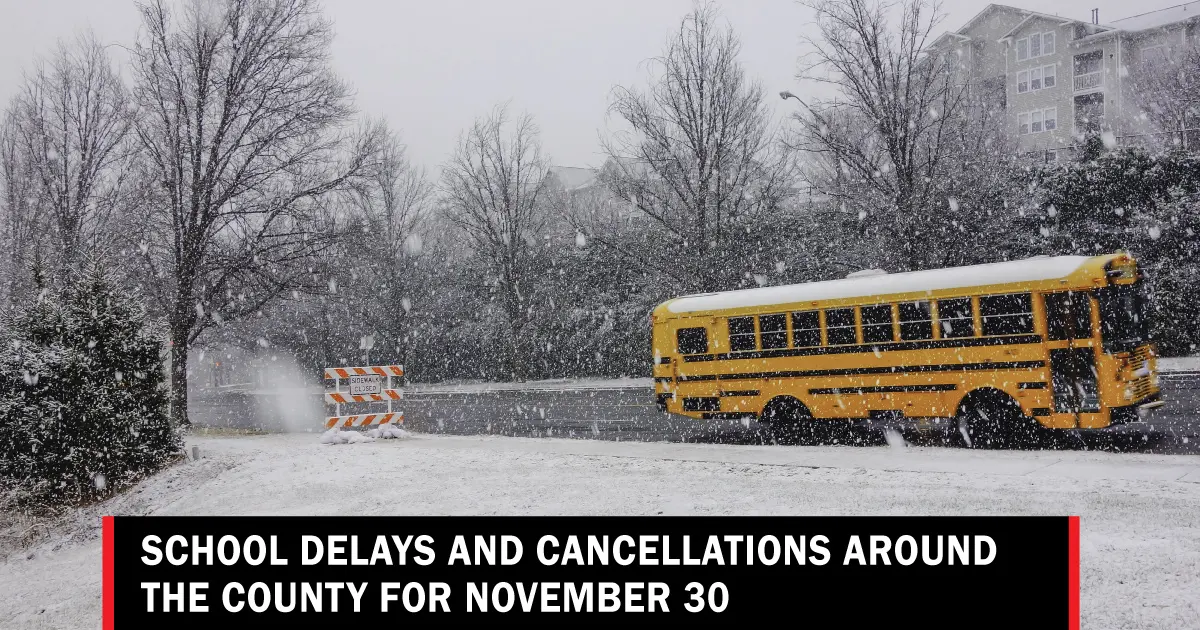
As the winter months approach, many regions are facing increased instances of severe weather. According to the National Weather Service, over 30 states experienced erratic snowstorms and freezing conditions in January 2023, resulting in numerous school districts temporarily shutting down. For example, major closings were reported in the Midwest including Illinois, Wisconsin, and Michigan, where safety concerns prompted officials to act swiftly.
In addition to weather-related closings, the resurgence of COVID-19 variants has led several districts, especially in urban areas, to reconsider their approach to in-person learning. The Centers for Disease Control and Prevention (CDC) reported a rise in infection rates in late 2022, leading some schools to transition back to remote learning or hybrid models, similar to strategies employed during the peak of the pandemic.
Educational and Social Impacts of School Closings
The ramifications of school closures can be profound. Academic progress is often hindered as students miss valuable instructional time, and especially for younger children, the disruption of routine can impact their social and emotional well-being. A study published by the Brookings Institution in early 2023 noted a significant learning loss among students due to inconsistent schooling patterns.
Moreover, economic impacts are observed as working parents must find alternative childcare solutions when schools are closed. Childcare centers often see an influx of children, while some parents may need to take unpaid leave, further stress-testing family budgets.
Conclusion
Looking ahead, experts predict that the trend of school closings may continue in response to both climatic and health-related challenges. School districts are encouraged to establish comprehensive emergency plans to address various scenarios, including weather events and infectious disease outbreaks. As communities adapt to these potential future closures, enhancing communication between parents, students, and school administrations will be vital in ensuring educational continuity and support.