International Women’s Day: A Day of Reflection and Action
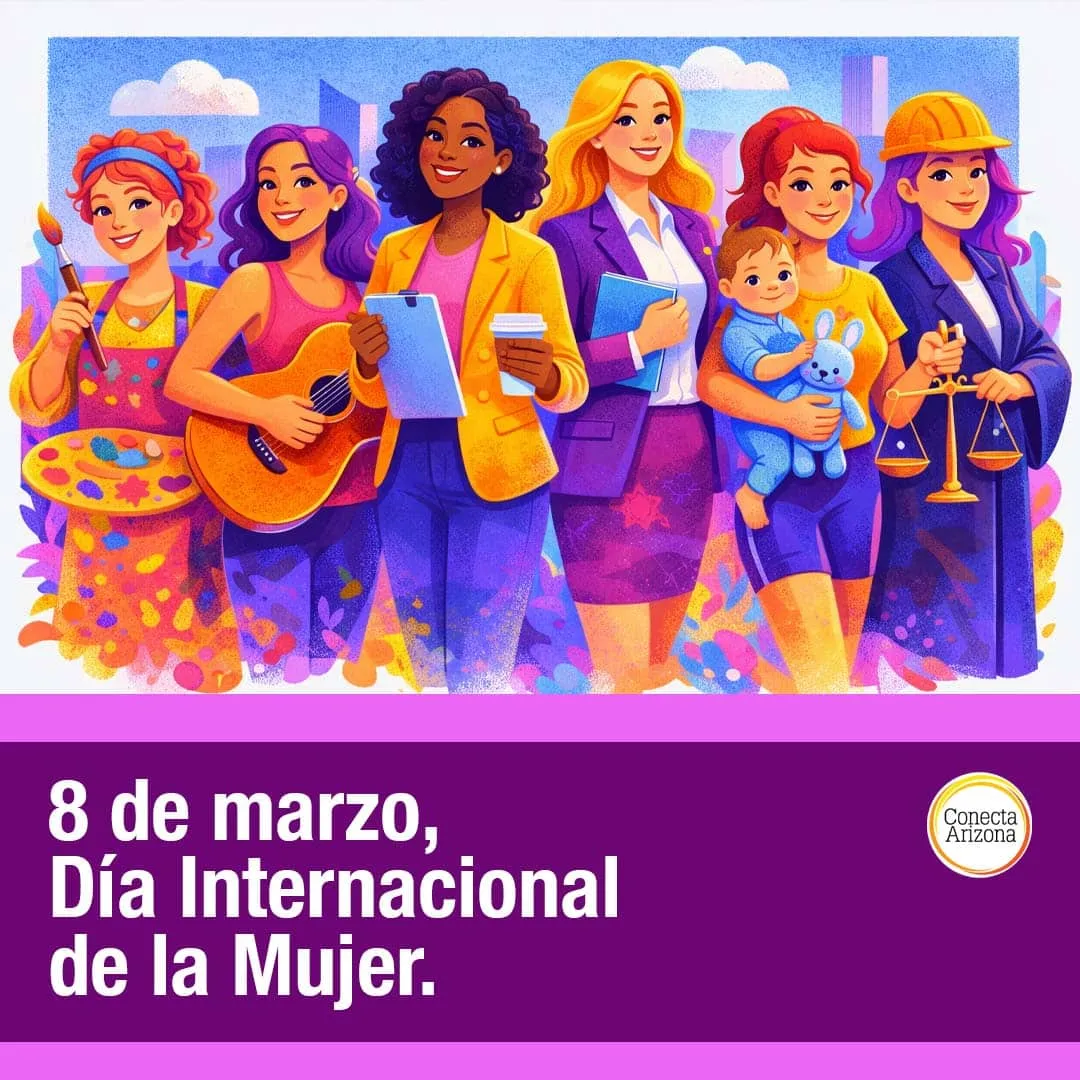
“The 8th of March is also a window: that day the world, even if just out of the corner of its eye, looks at the pending issues we have been dragging for decades,” said Maritza Félix, a prominent advocate for women’s rights. This statement encapsulates the essence of International Women’s Day, celebrated annually on March 8th, a day that not only commemorates the historical struggles of women but also highlights their achievements across various sectors.
International Women’s Day has its roots in the early 20th century, emerging from women’s protests advocating for better working conditions and rights. Over the years, it has evolved into a global celebration that emphasizes the ongoing challenges women face, including the gender pay gap, violence against women, and the burden of unpaid care work. In the United States, Hispanic women play a crucial role in enriching the culture, economy, politics, and community life, yet their contributions often go unrecognized.
Judith León, another key voice in the movement, remarked, “For me, it is a day of commemoration, reflection, and analysis about the struggles and achievements of women in my community.” Her words resonate with many who view this day as an opportunity to reflect on the progress made and the work still required to achieve true equality.
As the day approaches, discussions around the importance of recognizing and valuing the contributions of Hispanic women are more prominent. Despite often working in essential roles, these women frequently face challenges that hinder their recognition and advancement. The day serves as a reminder of their vital contributions and the need for advocacy in areas such as equal pay, access to health and education, and immigration reform.
Judith León further emphasized the need for change, stating, “We are learning to change terms, to stop using expressions that we had normalized and to recognize attitudes and actions that were also part of everyday life.” This reflection highlights the ongoing evolution of societal norms and the importance of addressing ingrained biases that affect women’s lives.
International Women’s Day is not merely a celebration of superficial achievements. As León pointed out, “The 8th of March is not to celebrate that we can paint our nails or use false eyelashes or extensions, or that we can give life; it is a contribution to those who are not informed.” This perspective urges society to focus on the deeper issues at play and to educate others about the realities faced by women, particularly those from marginalized communities.
As the world gears up for International Women’s Day on March 8, 2026, the conversations surrounding women’s rights and recognition continue to evolve. The day serves as a critical reminder of the ongoing struggles for women’s rights and the need for collective action to address these issues. Details remain unconfirmed regarding specific events planned for this year, but the commitment to advocacy and awareness remains strong.