Introduction
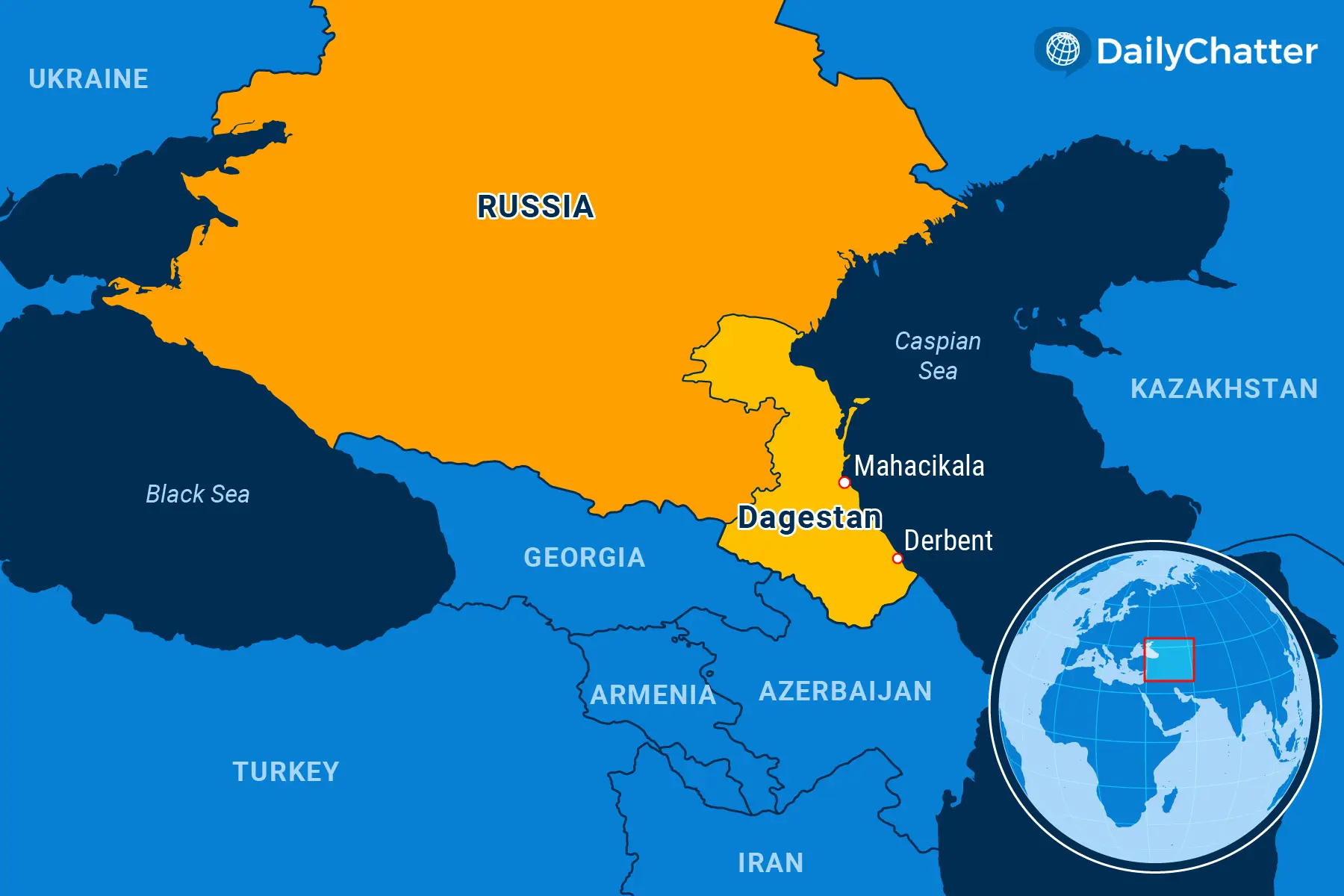
Dagestan, a mountainous region in the North Caucasus of Russia, is renowned for its remarkable cultural diversity and complex geopolitical significance. Home to over 30 ethnic groups, Dagestan stands as a vivid example of a heterogeneous society where languages and traditions intertwine. Understanding Dagestan is crucial not only for appreciating its rich history but also for grasping the broader socio-political dynamics of the region.
Current Situation in Dagestan
As of late 2023, Dagestan has been in the international spotlight due to a resurgence of social unrest and protests linked to inadequate economic conditions and the ongoing conflicts in neighboring areas. The economic situation remains dire, as high unemployment rates and infrastructure challenges loom over the region. Recent demonstrations have highlighted the people’s frustrations about the local government’s inability to address these issues effectively.
Additionally, the region has felt the impact of Russia’s broader policies in the Caucasus. Militarization and counter-terrorism measures have intensified in response to sporadic violent incidents, including terrorism and ethnic conflicts. This environment has created a dual reality: while many Dagestani people strive for peace and economic development, the shadows of political strife linger.
Cultural Highlights
Despite the turbulent situation, Dagestan is a unique haven of cultural richness. The region is known for its stunning landscapes, including the Sulak Canyon and the picturesque villages of the highlands. Traditional music, dance, and crafts play a significant role in Dagestani life, drawing tourists and researchers alike. Festivals such as the Sufi music festival in the capital city of Makhachkala showcase this lively cultural heritage.
The people of Dagestan, with their diverse languages and customs, continue to maintain close-knit communities. The preservation of their cultural identity has been a source of strength amid external pressures and historical challenges. Efforts are ongoing to promote tourism, which could contribute positively to the local economy and cultural exchanges.
Conclusion
In summary, Dagestan emerges as a complex tapestry of cultural diversity and socio-political challenges. The region’s richness in culture, history, and natural beauty is contrasted by economic struggles and political instability. Looking forward, it is crucial for stakeholders, including local leaders and the international community, to prioritize sustainable development initiatives that can foster peace and prosperity in Dagestan. Understanding the dynamics at play in Dagestan is essential for appreciating not only its unique cultural identity but also its role in regional stability and security.