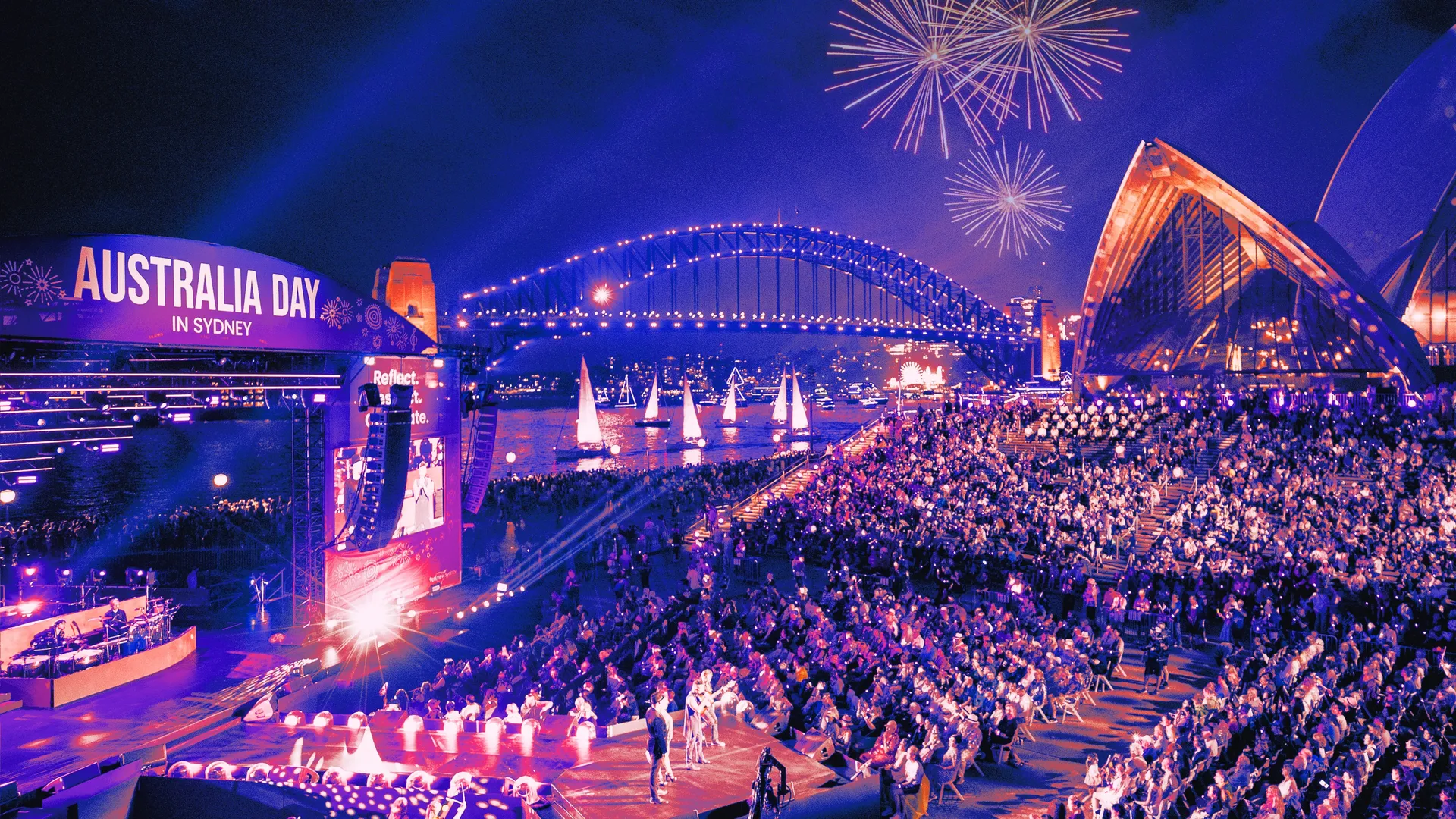
Introduction to Australia Day
Australia Day, celebrated annually on January 26, marks the arrival of the First Fleet at Port Jackson in 1788. This day has become a focal point for national pride and reflection across the nation. However, it is also a symbol of significant controversy, as many Australians recognize it as a day of mourning for Indigenous peoples. Understanding the dual nature of this holiday is crucial in navigating contemporary Australian identity.
The Celebrations and Events
Australia Day is characterized by various ceremonies and events held nationwide. Communities come together for citizenship ceremonies, parades, music festivals, and fireworks. Major cities often host significant public events, with the Sydney Harbour featuring impressive displays. Since 1994, Australia Day has also incorporated an awards process recognizing extraordinary Australians whose contributions have positively impacted the community.
Controversial Aspects
While many celebrate Australia Day with enthusiasm, there is a growing discourse about its relevance and the implications of the date. For many Indigenous Australians, January 26 represents the beginning of colonization and the loss of traditional lands and cultures. Protests have emerged in recent years, urging a reevaluation of the holiday and a call for its date to be changed to promote inclusivity and recognition of all Australians.
Current Trends and Discussions
In recent times, discussions around Australia Day have intensified. Some local councils have chosen to modify or forego celebrations on January 26 in favor of inclusive events recognizing and honoring Aboriginal culture and histories. A growing number of citizens advocate for the observance of a National Sorry Day on January 26, while others propose an alternative date for Australia Day that fosters unity rather than division.
Conclusion
Australia Day embodies a complex tapestry of celebration and reflection, which invites all Australians to engage in meaningful conversations about identity and history. As discussions continue to evolve, it is essential to respect the perspectives of both celebrants and protestors. The future of Australia Day may depend on our willingness to embrace narratives that reflect a broader and more inclusive understanding of what it means to be Australian.