Introduction
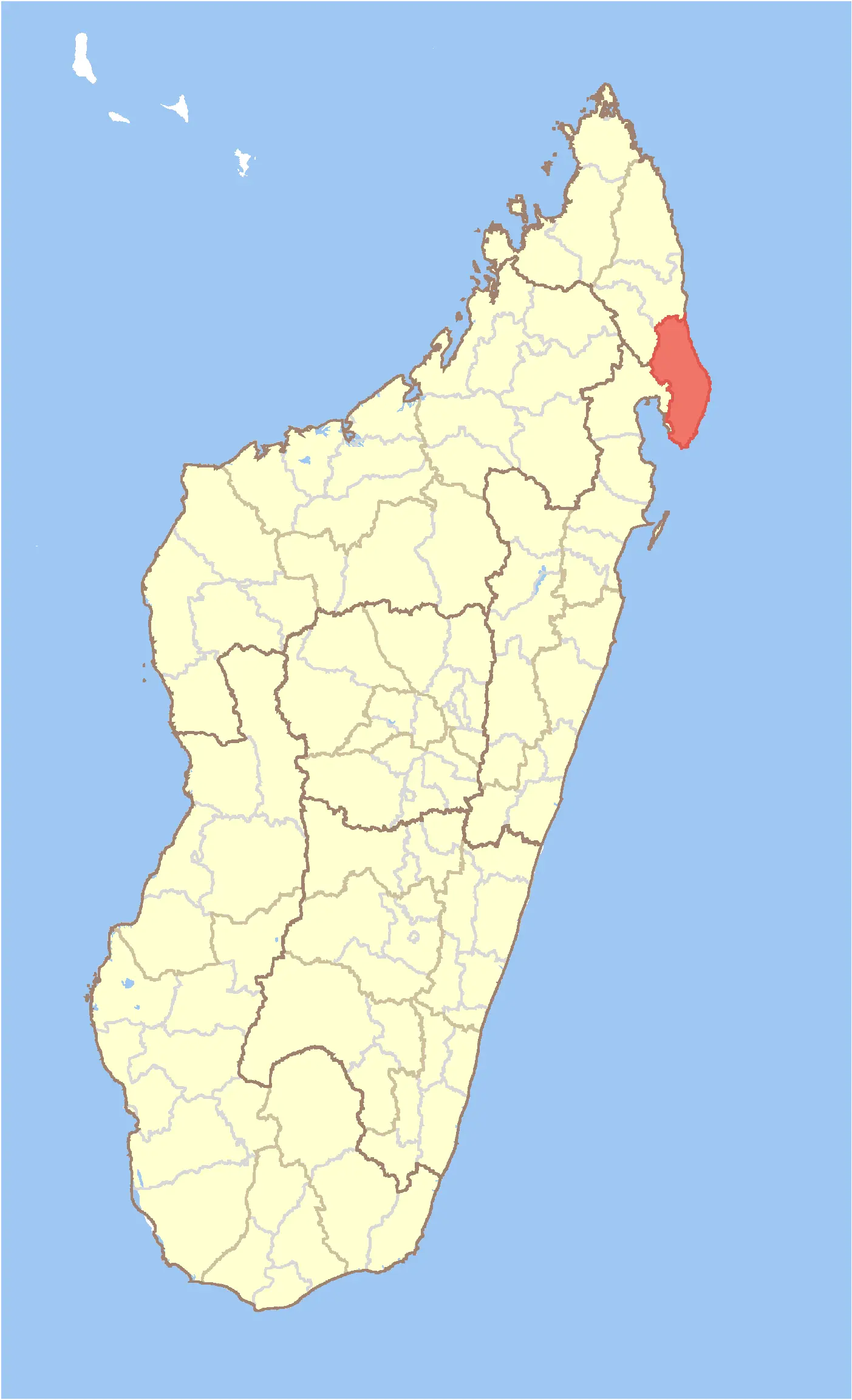
Madagascar, the fourth largest island in the world, is renowned for its extraordinary biodiversity and unique ecosystems. Approximately 90% of the wildlife found here is endemic, meaning it is found nowhere else on Earth. With ongoing environmental challenges, understanding the significance of Madagascar’s natural heritage is increasingly crucial for conservationists and global citizens alike.
Unique Flora and Fauna
Madagascar is famously home to a variety of species, including lemurs, chameleons, and baobab trees. According to recent studies, the island has over 12,000 species of plants, with around 3,000 classified as endemic. Notably, the lemur population, which has garnered worldwide attention, is now facing habitat destruction and poaching, leading to an urgent need for conservation efforts.
Environmental Challenges
As Madagascar struggles with deforestation and climate change, nearly 70% of its original forest cover has been lost due to slash-and-burn agriculture, illegal logging, and mining activities. A recent report from the World Wildlife Fund highlighted that approximately 1.3 million hectares of forest are lost each year, threatening both local and global biodiversity. Conservation projects are in place, but the need for international cooperation and funding is critical.
Cultural Significance
Beyond its natural wonders, Madagascar boasts a rich cultural tapestry influenced by diverse ethnic groups, including the Merina, Betsimisaraka, and Sakalava. The Malagasy people’s deep-rooted traditions and customs reflect their close relationship with the land. Festivals, music, and artwork offer visitors a glimpse into the vibrant culture that exists alongside the stunning natural environment.
Conclusion
The fate of Madagascar’s unique ecosystems hangs in the balance. With conservation efforts gaining momentum, it is imperative for the global community to support sustainable practices that benefit both the environment and local populations. As more individuals and organizations focus on protecting this biodiversity hotspot, the hope is for a future where Madagascar continues to thrive as a beacon of resilience and natural beauty, preserving its ecological treasures for generations to come.