Introduction
Iceland, often referred to as the ‘Land of Fire and Ice’, is a country renowned for its breathtaking natural beauty and unique geological features. As one of the top travel destinations in recent years, Iceland offers a blend of stunning landscapes, rich history, and a vibrant culture that captivates visitors from around the globe. In an era where eco-tourism and sustainable travel are becoming increasingly important, Iceland’s commitment to preserving its environment makes it a particularly relevant topic for potential tourists and environmentalists alike.
The Natural Majesty of Iceland
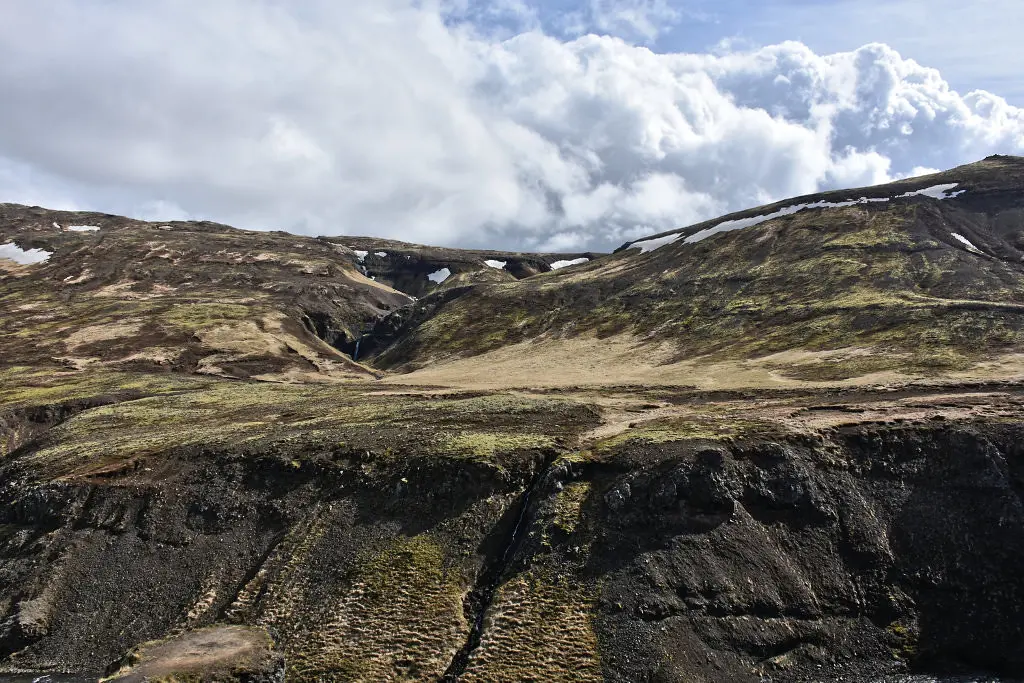
The country boasts a range of natural wonders, from active volcanoes and geysers to majestic waterfalls and glacial rivers. Notable landmarks such as the Golden Circle, which includes Þingvellir National Park, the Gullfoss waterfall, and the geysers in Haukadalur, showcase the dramatic geology and beauty of the region. In 2023, visitors have reported growing interest in guided tours focused on geology and photography, furthering educational experiences while exploring the country’s stunning vistas.
Cultural Richness and Modern Influence
Iceland is also known for its rich cultural tapestry, prominently displayed in its traditional music, literature, and art. The Reykjavik Art Museum and Harpa Concert Hall have been focal points for showcasing both contemporary and traditional Icelandic art. Furthermore, the country’s famed music scene has produced internationally recognized artists like Björk and Sigur Rós, drawing even more attention to Iceland as a cultural hotspot. Local festivals celebrating arts, literature, and the midnight sun continue to attract tourists who seek immersive experiences.
The Impact of Climate Change
As an island nation situated on the Mid-Atlantic Ridge, Iceland faces the direct effects of climate change. Melting glaciers and increased volcanic activity have raised concerns among scientists and environmentalists. The Icelandic government has initiated various programs aimed at sustainability and conservation, including ambitious renewable energy projects that utilize the country’s abundant geothermal and hydroelectric resources. Keeping these initiatives in mind, traveling to Iceland can also provide insights into these pressing global issues, encouraging tourists to reflect on their own environmental footprints.
Conclusion
Iceland stands out not only for its extraordinary landscapes but also for its cultural depth and commitment to sustainability. As it continues to navigate the challenges posed by climate change and the pressures of tourism, the country serves as an important reminder of the delicate balance between enjoying natural beauty and preserving it for future generations. For anyone considering a trip to Iceland, the experience is bound to be enriching, offering both adventure and knowledge about our planet’s precious resources.