Introduction
As influenza virus season approaches, understanding flu symptoms becomes crucial for early detection and prevention. The flu is a contagious respiratory illness that can result in mild to severe illness, and in some cases, can lead to hospitalization or even death. Recognizing the signs of the flu can help individuals take prompt action and seek appropriate medical care.
Main Body
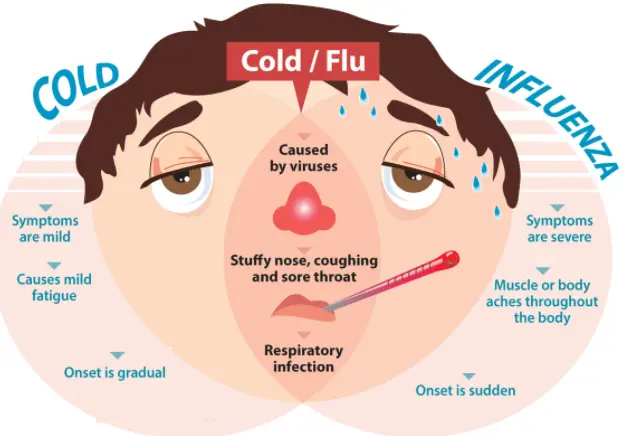
The symptoms of the flu vary from person to person but typically include fever, cough, sore throat, body aches, fatigue, and headaches. According to the Centers for Disease Control and Prevention (CDC), flu symptoms often come on suddenly, differentiating them from other respiratory illnesses like the common cold, which usually develop more gradually.
Current data indicates that the flu can affect millions annually. In the 2022-2023 flu season, the CDC reported approximately 26 million cases of flu in the United States alone, leading to about 12 million medical visits and over 200,000 hospitalizations. The symptoms can range greatly in intensity, and while some may experience mild discomfort, others may experience severe consequences.
Especially vulnerable populations include the elderly, young children, and those with chronic health conditions. For these individuals, flu symptoms can result in serious health complications. The CDC also emphasizes the importance of vaccinations, noting that flu vaccines reduce the risk of illness and can lessen symptom severity for those who do become ill.
Common flu symptoms include:
- Fever or chills: While not all patients experience a fever, a high temperature is a common flu symptom.
- Cough: Often dry, persistent cough can signal the onset of flu.
- Sore throat: Throat pain is frequently reported alongside other symptoms.
- Body aches: Muscle and joint pains can be debilitating.
- Fatigue: Extreme tiredness can last for weeks.
It’s essential to note the emergence of lingering symptoms, such as a cough or fatigue, even after the acute phase has resolved. Consulting a healthcare provider for tailored advice and treatment is always recommended if flu symptoms are experienced.
Conclusion
In summary, recognizing the symptoms of influenza early is vital in managing the illness and preventing its spread. With influenza rates fluctuating, being informed and prepared is key to navigating flu season effectively. Readers are encouraged to stay updated on flu vaccinations and public health guidelines to protect themselves and their communities during this potentially severe viral season.