Introduction
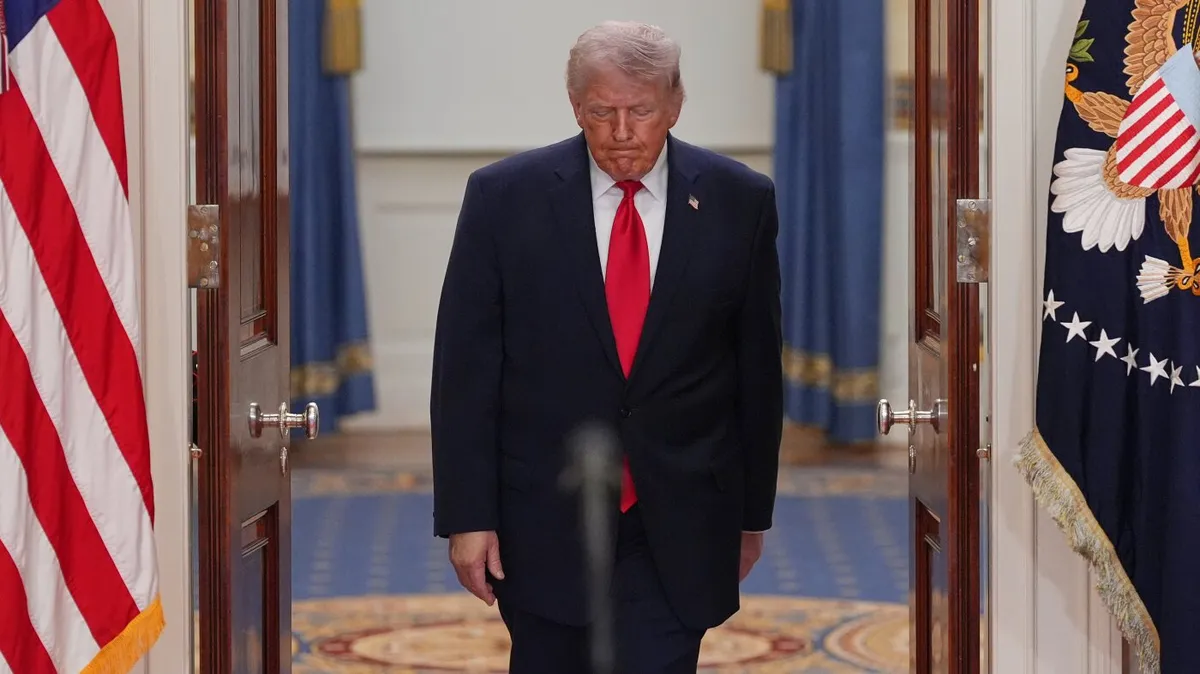
Donald Trump, the 45th President of the United States, has recently been nominated for the Nobel Peace Prize. This nomination has sparked widespread discussion and debate, both supporting and criticizing the reasoning behind it. Amid various geopolitical issues and conflicts, the significance of this nomination highlights the complexities of international diplomacy and the role of former leaders in peace-making efforts.
Main Body
The nomination was submitted by Christian Tybring-Gjedde, a member of the Norwegian Parliament, who believes that Trump’s role in facilitating the Abraham Accords—the normalization of diplomatic relations between Israel and several Arab nations—merits recognition. Tybring-Gjedde stated, “Trump has tried to create peace between nations, a peace process which in the last 40 years has been nonexistent.” The Abraham Accords, signed in September 2020, marked a significant shift in Middle Eastern diplomacy and have been held up as a potential blueprint for resolving long-standing conflicts in the region.
In contrast, critics argue that the nomination lacks merit given the broader context of Trump’s time in office, particularly regarding his foreign policies. Issues such as tensions with North Korea and trade disputes with China have led some analysts to question the stability and effectiveness of his approach. Furthermore, Trump’s actions following the election results of 2020, where he unfoundedly claimed election fraud, have also colored public perception of his leadership and suitability for such an honor.
This nomination also reflects ongoing divisions in U.S. politics, as supporters celebrate the acknowledgment of Trump’s efforts, while opponents emphasize the divisive nature of his presidency. The Nobel Committee typically receives nominations from a range of sources, and this nomination illustrates the polarizing figures that contemporary politics can produce.
Conclusion
As discussions around the nomination unfold, its implications extend beyond Trump himself and address the challenges of diplomacy in a changing world. Whether or not he ultimately receives the award may not only impact his legacy, but also reaffirm or challenge notions of peace and conflict resolution in a polarized climate. Moving forward, the Nobel Peace Prize’s decision will likely draw significant global attention, prompting a continued examination of what constitutes a worthy accolade in pursuit of peace.