Introduction
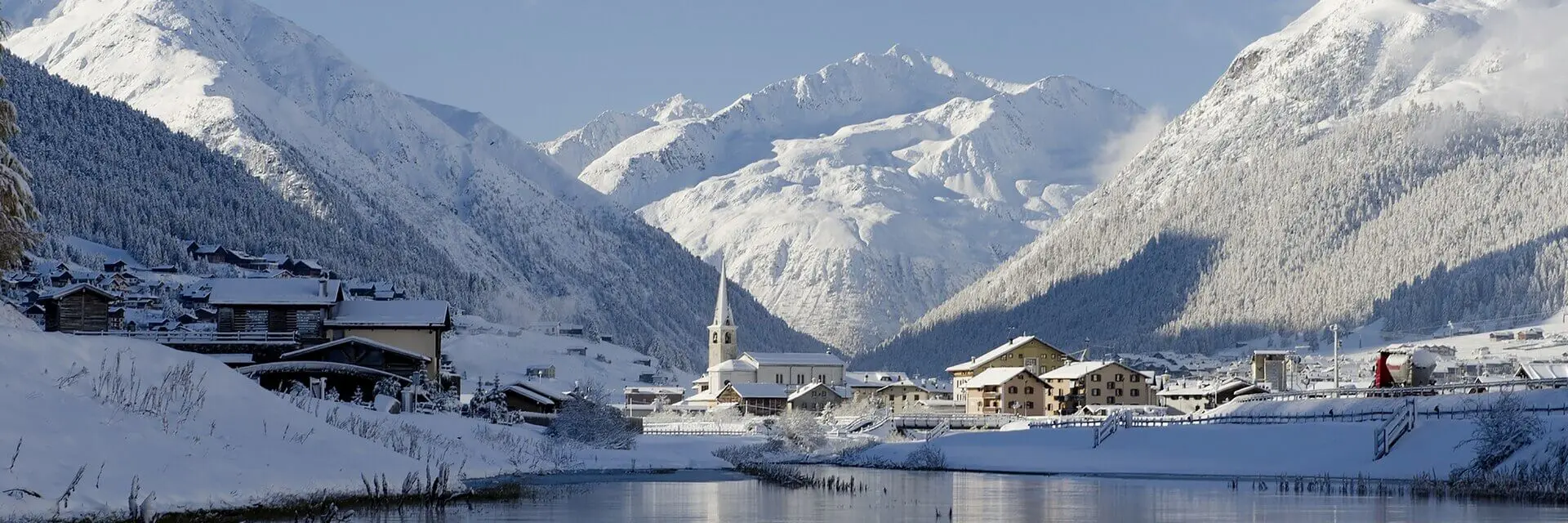
Chile, a long and narrow country stretching along the western edge of South America, is known for its diverse landscapes, rich history, and vibrant culture. From the Atacama Desert in the north to the glaciers of Patagonia in the south, Chile offers a range of natural wonders that attract travelers and researchers alike. As the country steps back into the global spotlight due to the recent influx of tourism and political developments, exploring the significance of those factors becomes paramount.
Natural Wonders and Tourism Growth
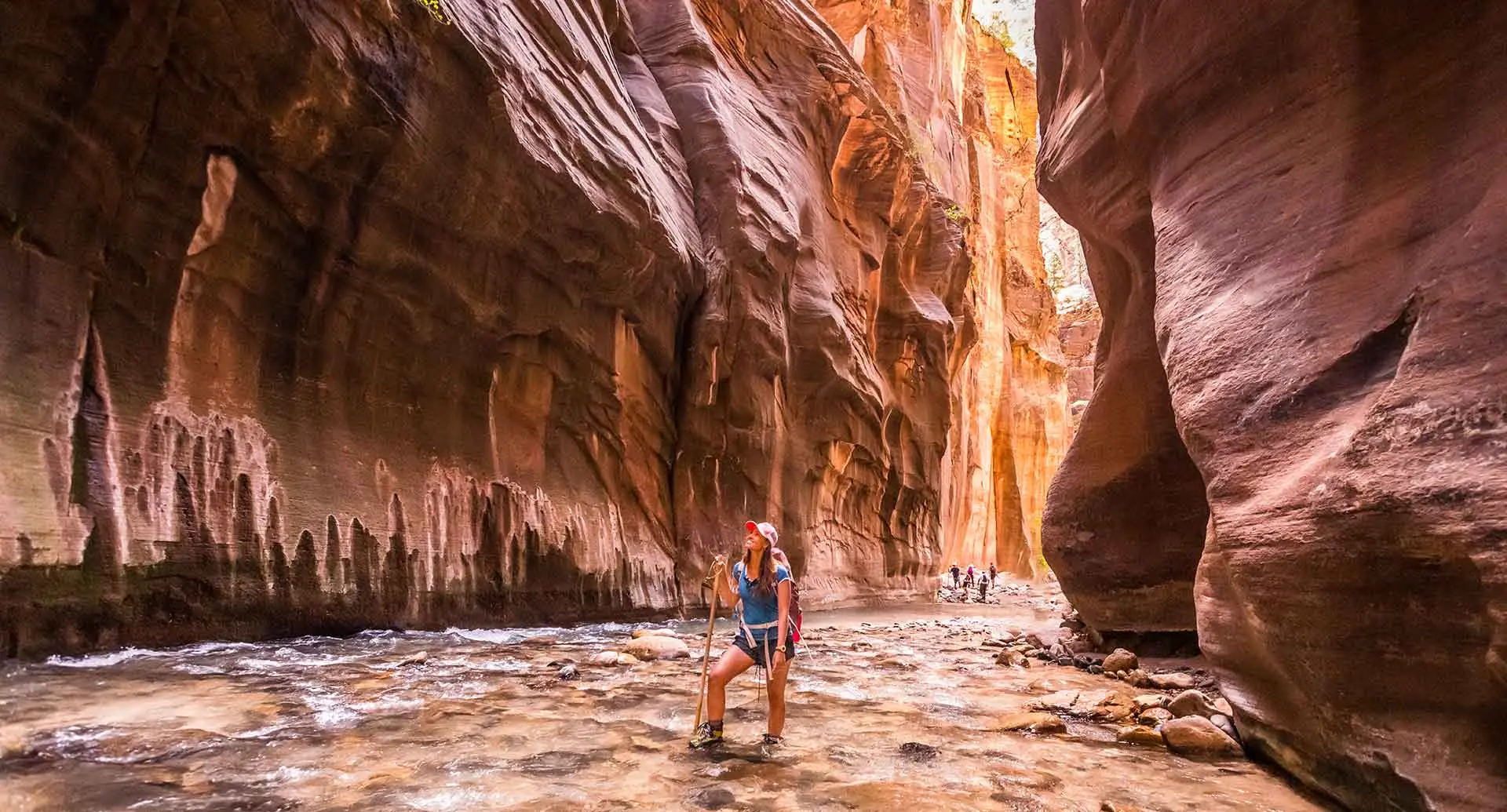
Chile’s rich geography plays a crucial role in attracting a growing number of tourists. In recent years, the number of visitors has surged, with more than 4.5 million travelers arriving in 2022, marking a recovery from pandemic lows. Popular destinations like the Torres del Paine National Park and the vibrant city of Santiago are key contributors to this growth. As Chile continues to promote eco-tourism and sustainable practices, locals and visitors can enjoy breathtaking landscapes while preserving them for future generations.
Cultural Diversity
The cultural fabric of Chile is a blend of indigenous traditions and European influences, primarily from Spanish colonization. The country’s recognition of its indigenous population has led to a resurgence of interest in traditional customs, festivals, and languages. Notable celebrations like Fiestas Patrias showcase the rich folkloric heritage, while indigenous groups strive for greater representation and rights in modern Chilean society. This cultural renaissance is vital for fostering national identity and promoting social harmony.
Political Landscape and Future Prospects
In the wake of social unrest in 2019 advocating for better social justice and equity, Chile has undergone a political transformation. The country’s government initiated a process to draft a new constitution in 2021, demonstrating responsiveness to the public’s demands. As Chile moves forward, the effectiveness of these reforms could significantly impact social stability and economic growth. Observers note the importance of maintaining momentum in addressing long-standing inequalities while leveraging the country’s natural resources responsibly.
Conclusion
As Chile continues to evolve, its blend of stunning natural beauty, rich cultural heritage, and dynamic political landscape makes it a focal point for both tourists and scholars. The country stands at a crossroads, and its trajectory will depend on how it addresses pressing social issues while embracing its diverse identity. For readers and potential visitors, understanding these facets is essential for appreciating Chile’s unique role in both the region and the world.