Introduction
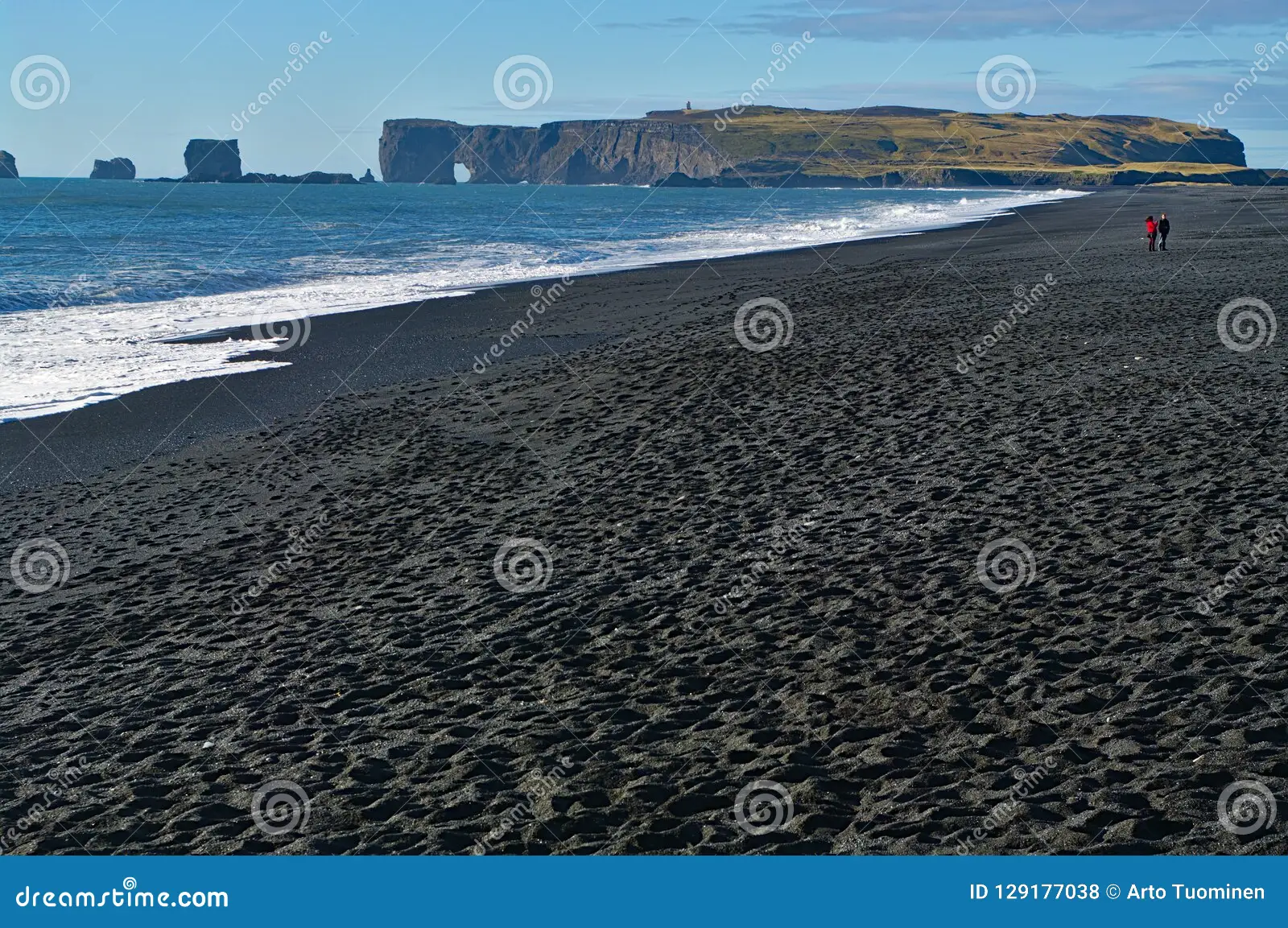
Reynisfjara Black Sand Beach, located on the southern coast of Iceland near the town of Vík í Mýrdal, is a natural wonder that attracts thousands of visitors each year. Known for its dramatic scenery, uniquely colored sands, and impressive basalt columns, Reynisfjara is a must-see destination for tourists and photographers alike.
The Beauty of Reynisfjara
The black sands of Reynisfjara are formed from volcanic rock, a reminder of Iceland’s rugged geological history. The beach is set against the backdrop of towering cliffs and the striking Reynisdrangar sea stacks, which rise majestically from the ocean. These towering formations are steeped in folklore, with local legends suggesting they are trolls frozen in time.
Recent Developments and Visitor Information
As of October 2023, Iceland’s tourism has rebounded, with Reynisfjara seeing an increase in visitor numbers post-pandemic. Local authorities have emphasized the importance of safety at the beach, particularly given its unpredictable waves and strong currents. New informative signage has been installed along the beach, providing guidance on safe viewing distances from the water. Additionally, amenities such as visitor centers and parking facilities have been improved to enhance the overall experience for tourists.
Environmental Concerns
Despite its popularity, Reynisfjara faces environmental challenges, including the effects of erosion and littering. Conservation efforts are being put in place to protect the natural landscape and preserve its beauty. Local organizations are encouraging responsible tourism practices to minimize human impact and safeguard the beach for future generations.
Conclusion
Reynisfjara Black Sand Beach not only offers astonishing views and a unique geographical experience but also serves as a vital reminder of the need for sustainable tourism. As Iceland continues to grow in popularity as a tourist destination, preserving natural wonders like Reynisfjara will be crucial to maintaining the country’s rich landscape. Visitors to the beach are encouraged to appreciate its beauty while engaging in practices that protect its delicate ecosystem.