Introduction
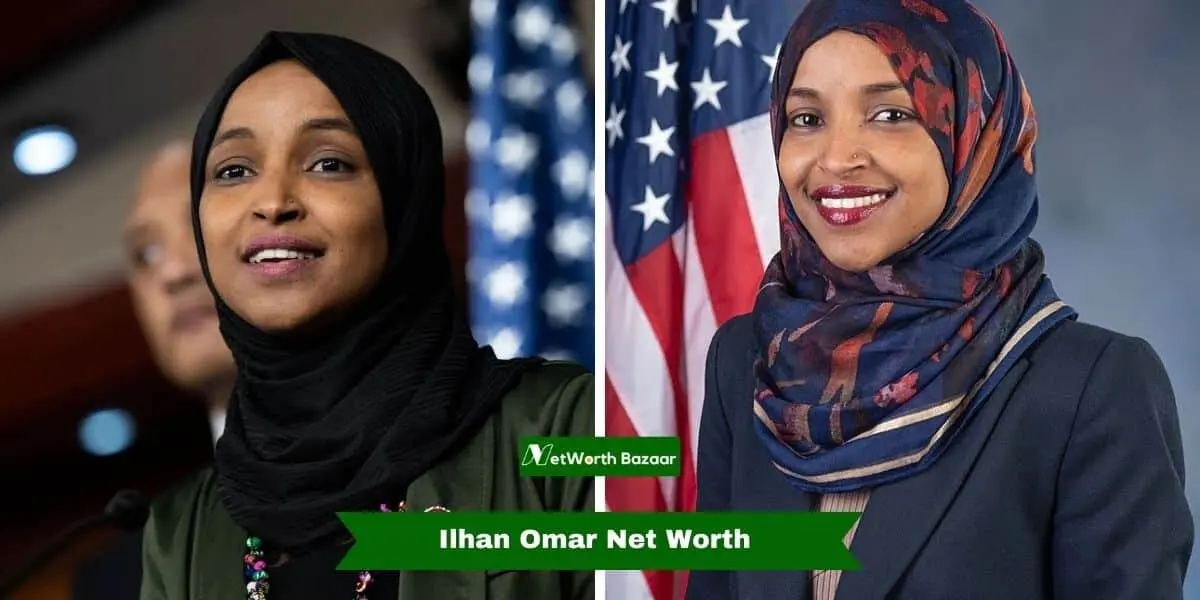
The financial status of public figures often raises questions among constituents and the general public regarding their earnings and wealth management. Ilhan Omar, the U.S. Representative for Minnesota’s 5th congressional district, has made headlines not only for her political positions but also for her financial situation. Understanding Omar’s net worth is crucial for assessing her career trajectory and public engagement.
Ilhan Omar: Background and Career
First elected to Congress in 2018, Ilhan Omar is notably recognized as one of the first two Muslim women to serve in the U.S. legislature, breaking barriers and inspiring many. Prior to her congressional career, Omar served in the Minnesota State Legislature. As of 2023, her political rise has translated into an increase in her net worth, which is a point of interest among political analysts and the public alike.
Current Estimates of Ilhan Omar’s Net Worth
According to various financial disclosures and estimates, Ilhan Omar’s net worth is believed to be around $3 million as of 2023. This figure stems from multiple income sources, including her congressional salary, which is approximately $174,000 annually, and her previous roles in local government, which contributed to her overall income. Additionally, Omar has been involved in various speaking engagements and book deals, which supplement her earnings.
Investments and Other Sources of Income
Beyond her salary as a Congresswoman, Omar has investments in real estate, which play a significant role in her financial portfolio. Notably, she has a history of investing in properties in the Minneapolis area, which have appreciated in value. Moreover, Omar has also been involved in non-profit organizations which, while not direct sources of income, reflect her commitment to community work and can enhance her public image, indirectly influencing her marketability and income opportunities.
Conclusion
Ilhan Omar’s net worth is not only a reflection of her financial success but also symbolizes the complexities faced by political figures in the U.S. Her journey from a refugee to a Congresswoman further emphasizes the contrast between personal struggles and public service. As her career continues to progress, it will be interesting to observe how her financial standing develops, particularly in an era where public transparency and accountability are increasingly vital. For her constituents and those interested in political finance, Omar’s wealth and how she manages it could serve as an educational case study for engaged civic participation.