Introduction
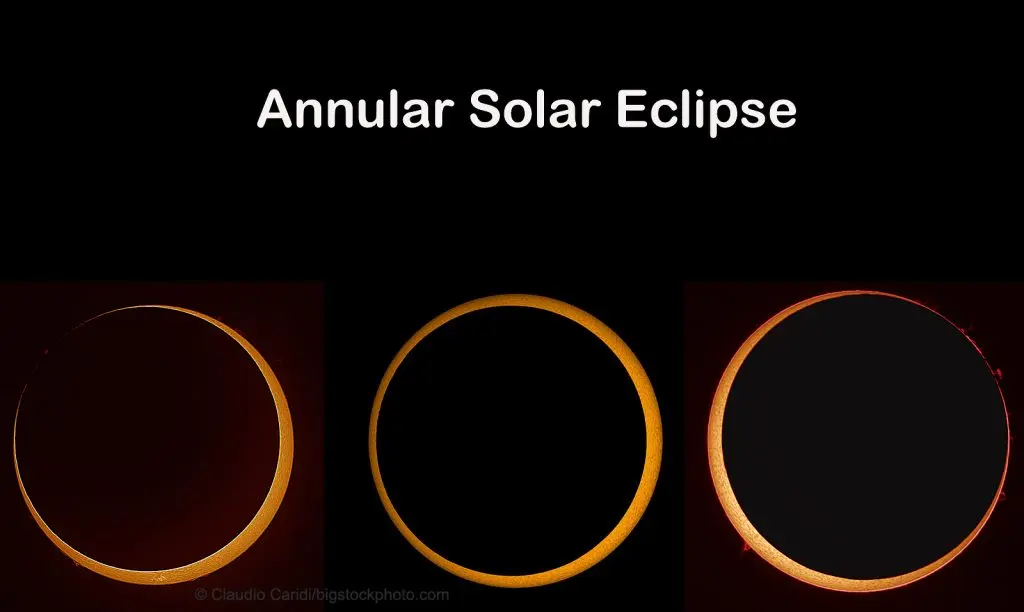
The annular solar eclipse, a rare and awe-inspiring astronomical event, captivates the attention of stargazers around the world. Unlike a total solar eclipse, where the moon completely obscures the sun, an annular eclipse occurs when the moon’s apparent diameter is smaller than that of the sun. This phenomenon results in a stunning ‘ring of fire’ effect, making it a significant event for both casual observers and astronomy enthusiasts. The next annular solar eclipse, which is set to take place on October 14, 2023, will be visible across several states in the U.S., offering a unique opportunity for many to witness this natural spectacle.
Details of the Upcoming Eclipse
On October 14, 2023, the annular solar eclipse will trace a path across various regions in the United States. Starting from Oregon, the eclipse will travel southeast, reaching states like California, Nevada, Utah, Arizona, and Texas. Cities such as Albuquerque and Austin are anticipated to experience optimal viewing conditions. The phenomenon is expected to begin around 10:23 AM PDT and will last until approximately 1:30 PM CDT, with the annular phase occurring at around 12:20 PM local time in the path of annularity.
During this event, observers with proper eye protection will be treated to a breathtaking view of the sun’s edges peeking out from behind the moon, creating the iconic ring of fire. Historically, such eclipses have inspired various cultural interpretations and scientific inquiries, reflecting humanity’s fascination with celestial events.
Viewing Safety and Significance
As exciting as the prospect of viewing an annular eclipse is, safety should be a priority. It’s essential to use solar viewing glasses or eclipse viewers specifically designed for this purpose. Regular sunglasses do not provide adequate protection and can lead to serious eye damage.
The annular solar eclipse is not just an astronomical event; it serves as a reminder of the intricate dance between the sun, moon, and Earth. Events like these encourage educational opportunities, fostering interest in science and astronomy among students and the general public alike. Communities in the path of the eclipse are expected to host viewing parties and educational sessions, further enhancing the experience for participants.
Conclusion
The annular solar eclipse on October 14, 2023, is set to be a spectacular event that showcases the beauty of our solar system. As anticipation builds, individuals and families are encouraged to prepare to safely observe this celestial wonder. With the modern conveniences of the digital age, many will also share their experiences online, potentially inspiring future generations of astronomers. The significance of these eclipses extends beyond mere spectacle; they deepen our understanding of the cosmos and remind us of our connection to the universe. Don’t miss this chance to witness one of nature’s most beautiful displays!