Introduction
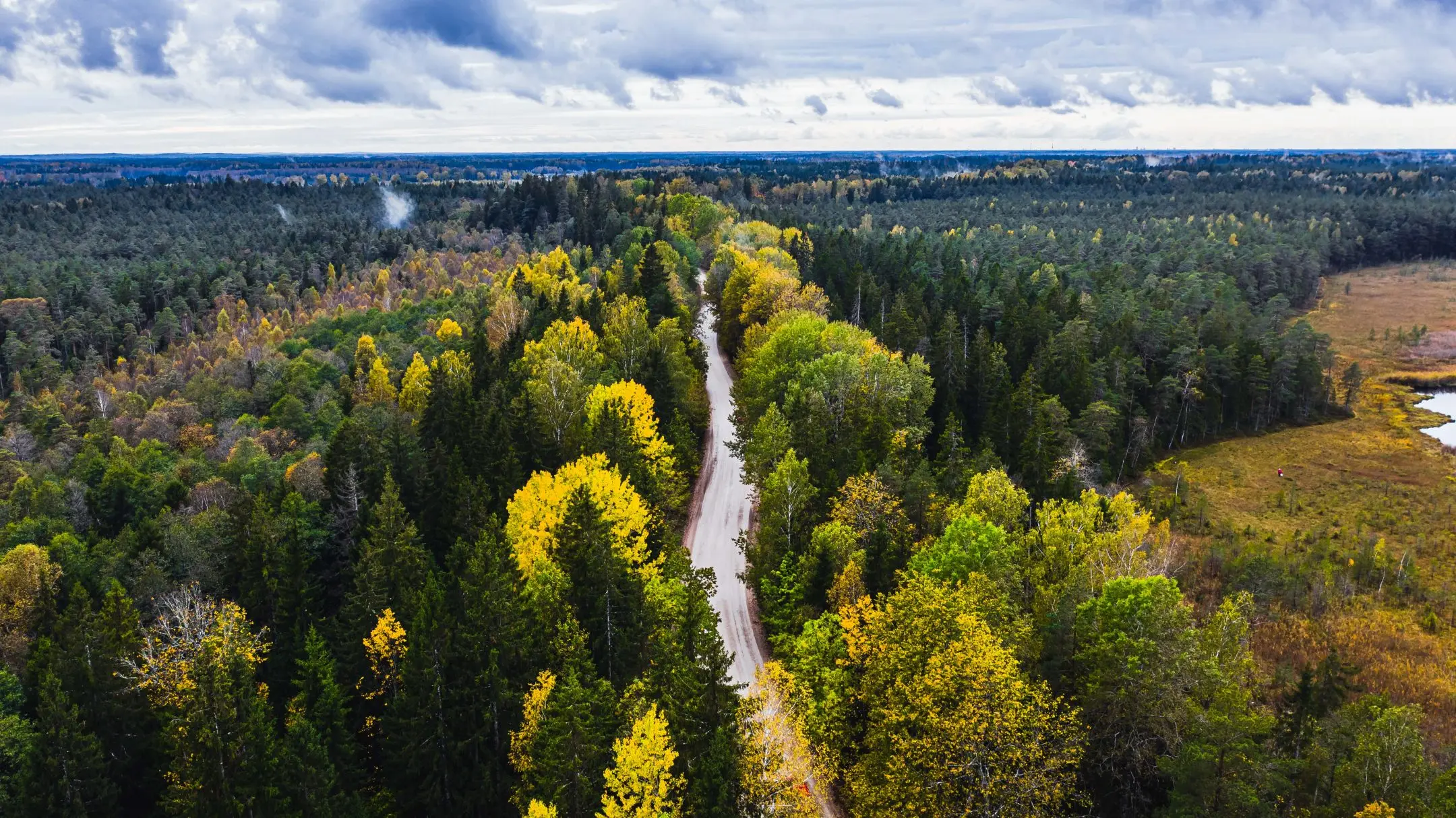
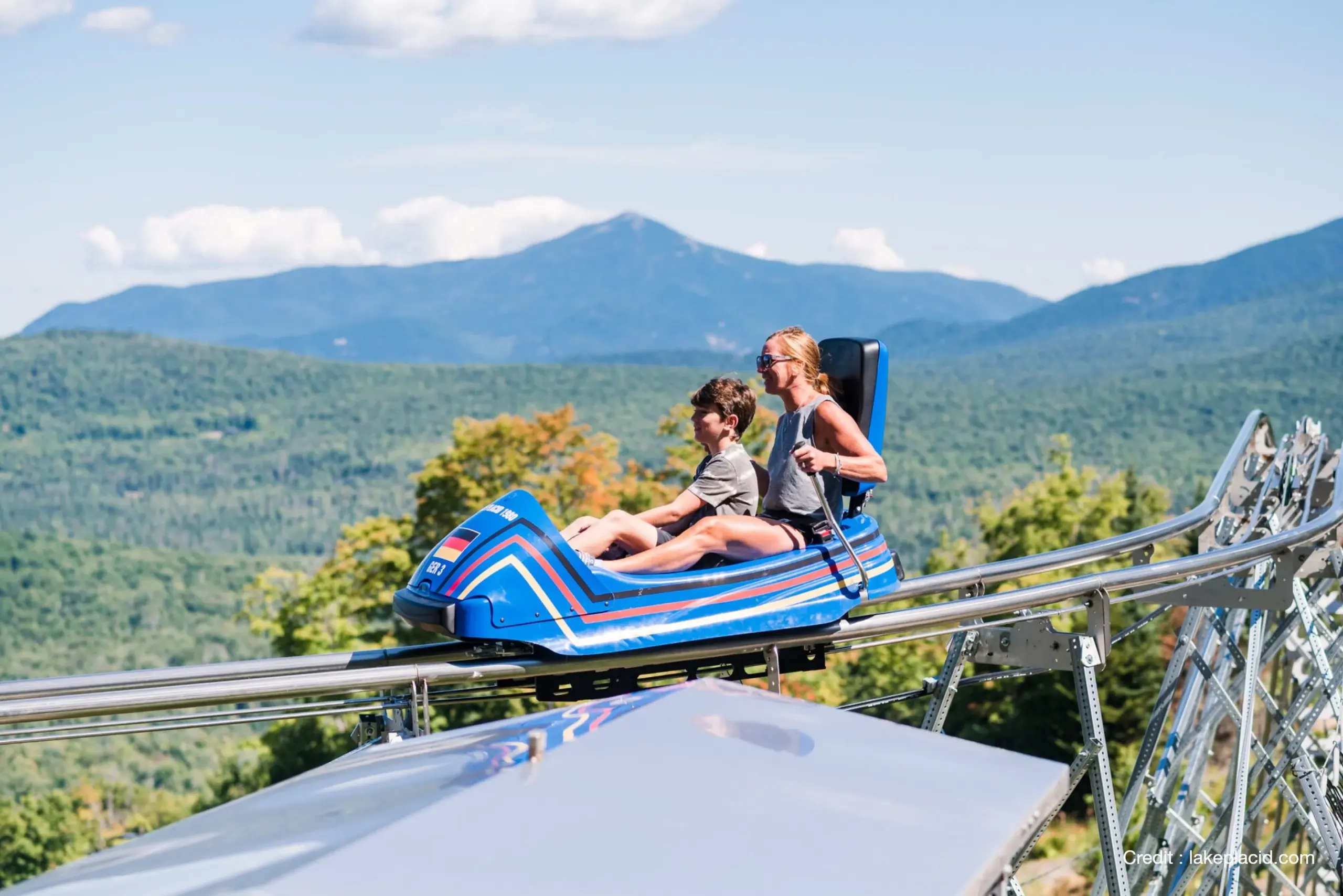
Lake Placid, located in the heart of the Adirondack Mountains in New York, holds a prominent place in American winter sports history. Renowned for its breathtaking natural beauty and as a host of two Winter Olympics, in 1932 and 1980, Lake Placid has become a major destination for tourists seeking outdoor adventures and a piece of Olympic legacy. Its relevance continues today as it attracts thousands of visitors annually, making it an integral part of New York’s tourism landscape.
Historical Significance
Lake Placid’s history as an Olympic site is a significant part of its appeal. The village is not only home to the iconic Lake Placid Olympic Center but also features the Olympic jumping complex and other facilities that brought the world’s attention to this small town. The historical significance of hosting the Winter Olympics has evolved into a deep-seated passion for winter sports, influencing the local community and economy positively.
Outdoor Activities
The activities in and around Lake Placid are diverse. During winter, skiing, snowboarding, and ice skating are hugely popular, with visitors flocking to nearby mountains such as Whiteface Mountain, which boasts the highest skiable mountain in the eastern United States. For those preferring a slower pace, the area offers scenic snowshoeing and cross-country skiing trails.
In the warmer months, Lake Placid transforms into an outdoor playground. The pristine waters allow for kayaking, paddle boarding, and fishing, while the surrounding trails offer hiking and mountain biking routes that cater to all levels of expertise. The summer also sees an influx of visitors for the Ironman and other sporting events, keeping the region vibrant and active.
Cultural Attractions
Beyond sports, Lake Placid offers rich cultural experiences. The Olympic Museum provides insights into the history of the Games and features interactive exhibits that appeal to all ages. Local dining and shopping options showcase regional cuisine and craftsmanship, making it a full experience for travelers. Annual festivals, including the Lake Placid Film Festival, add to the cultural depth.
Conclusion
Lake Placid serves as a testament to the blend of nature, sport, and culture, providing lasting memories to those who visit. As travel trends continue to favor outdoor and experiential tourism, Lake Placid is poised to remain a cornerstone of both winter and summer adventures in New York. Its ongoing preservation efforts and community engagement underscore its vital importance to local and regional tourism, ensuring that it will be a beloved destination for generations to come.